Jaipur’s Water Crisis Story: How Tanker Economy Becomes A Seasonal Market
Every summer, Jaipur’s water shortages spark a booming tanker economy. Discover how uneven supply, rising demand, and groundwater extraction create a parallel market.

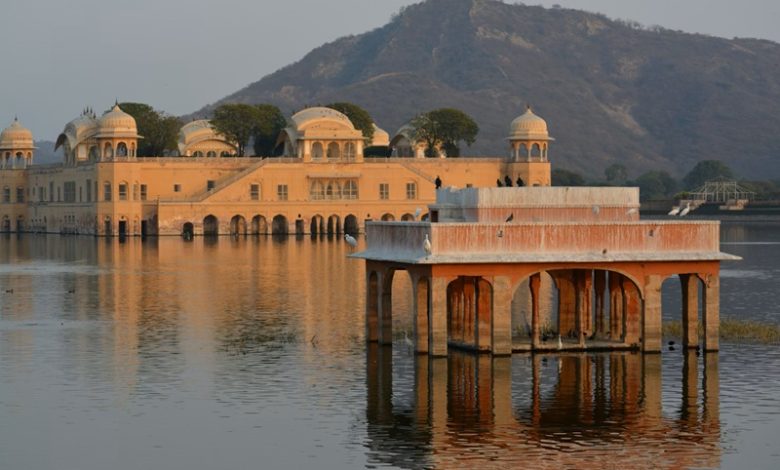
Every April, Jaipur’s water story splits into two cities. In one, people time their mornings around a thin, sometimes 30-minute municipal supply. In the other, WhatsApp groups, local “water guys,” and a fleet of private tankers quietly decide who gets to bathe, cook, clean and at what price. By May, that second city feels more real.
The pattern isn’t new, but the speed at which it peaks is. A burst pipeline, a low-pressure tail-end lane, or a delayed PHED tanker can turn into a scramble within hours. In 2024, even PHED’s outsourced tanker system buckled when drivers went on strike, briefly collapsing last-mile emergency delivery and exposing how fragile the backup network is.
That same summer, authorities talked about monitoring private tanker rates because prices routinely jumped far above the “normal” range when demand spiked. And when the public system wobbles, Jaipur’s parallel market doesn’t just “help” it expands.
The Parallel Market That Runs On Heat, Pressure, And Gaps
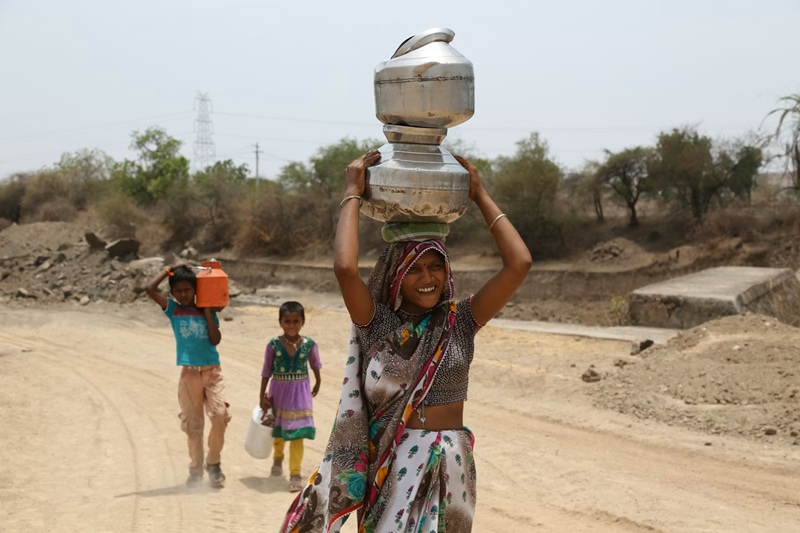
Jaipur’s tanker economy thrives on a simple mismatch: water arrives unevenly, while demand rises predictably with heat. Even when the Bisalpur supply system is the city’s lifeline, distribution can be limited in certain areas, pushing residents toward private tankers especially in older wards and tail-end zones where timing and pressure are worst.
Private sellers price that desperation. In May 2024, local reporting noted tankers selling at multiple times the usual rate, some residents paying up to ₹2,000 in pockets of the Walled City when typical prices were far lower. Separately, administration briefings and local reports described how a 4,000-litre tanker that “should” fall in a broad band can still jump to ₹1,200 or more in peak weeks. The effect is a seasonal inflation cycle, except the commodity isn’t optional.
How Tankers Become A Summer Subscription
In many neighbourhoods, tankers aren’t an emergency purchase anymore; they’re a line item. Families coordinate with neighbours to split loads. Landlords pre-book weekly drops to keep tenants from leaving. RWAs negotiate “fixed” rates early in April like they’re locking in airfare.
Behind that convenience sits a murkier supply chain. Investigations in 2024 described how thousands of tanker operators in Jaipur draw water from borewells, often outside robust permission and monitoring systems, and with limited transparency on quality checks. This is where the “parallel market” turns structural: groundwater becomes the shadow reservoir, and tankers become the distribution grid.
A very 2024–25 twist is how visible the politics of this has become. When tanker operations get disrupted; strikes, enforcement drives, route restrictions, social media fills the gap with on-ground clips and quick updates. For example, Zee Rajasthan posted about Jaipur’s drinking-water crunch during a tanker drivers’ strike here.
The Bisalpur Paradox: “Enough Water,” Uneven Relief
Monsoons can improve the macro picture, Bisalpur has had periods where officials said reserves looked comfortable for Jaipur, Ajmer, and Tonk. Yet “enough in the dam” doesn’t automatically mean “enough at the tap.” Distribution constraints, leaks, pressure issues, maintenance backlogs, and rapid urban expansion can still create micro-crises that tankers monetize. One long-term warning echoed in reporting is that as more connections draw from the same network, summer stress becomes more likely even if the source looks stable.
FAQs
1. Why do Jaipur residents buy tankers every summer?
Supply becomes short and uneven; tankers fill daily gaps when taps run low suddenly.
2. Are tanker prices regulated in Jaipur?
Authorities may monitor rates, but peak-season demand still pushes prices higher across neighbourhoods widely.
3. Where does tanker water usually come from?
Often borewells and private sources; oversight and quality testing can be inconsistent or unclear.
4. Does Bisalpur Dam solve Jaipur’s water problem?
It helps supply, but distribution, pressure, and expansion still trigger local shortages each summer.
5. What’s the quickest fix residents use during shortages?
Neighbour pooling, pre-booking, storage tanks, and WhatsApp coordination reduce panic purchases during peak heat.