Istanbul’s Sea Snot Returns: Warming Waters And Pollution Drive Mucilage
Istanbul faces renewed sea snot concerns as Marmara waters warm and pollution feeds marine mucilage. Scientists warn stagnant circulation could worsen coastal ecosystems soon.

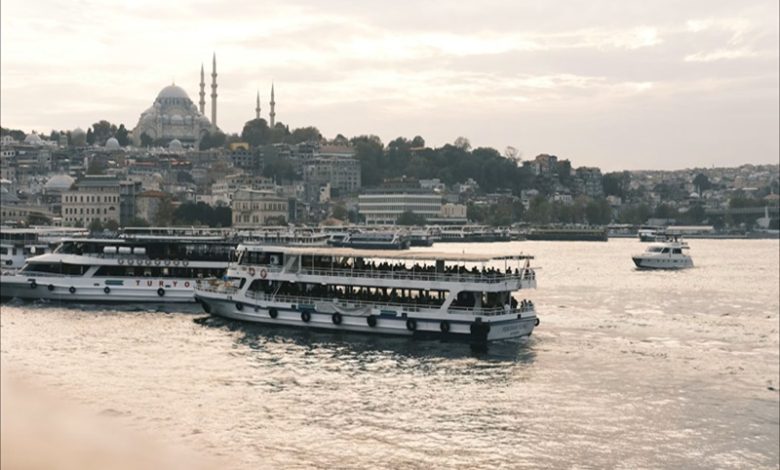
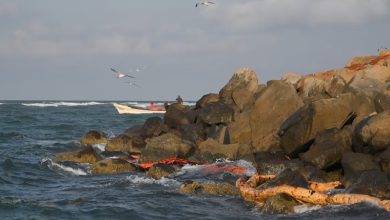
Istanbul’s latest sea snot worries are not really about one strange layer of slime. They are about what that slime reveals. Marine mucilage, often called sea snot, forms when tiny marine organisms release sticky organic matter that builds into thick, cloudy masses in the water. In and around the Sea of Marmara, the fear is growing again because the same ingredients keep showing up together: warmer water, weak circulation, and a heavy pollution load flowing in from wastewater and runoff.
Recent reporting says the problem returned visibly from late 2024 into 2025, with scientists warning that the buildup was not only floating on the surface but also spreading below, where it can quietly choke marine habitats before most people even notice it from shore.
Why The Marmara Keeps Sliding Back Toward Mucilage
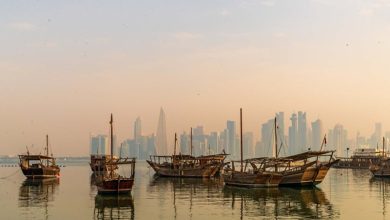
The Sea of Marmara is unusually vulnerable because it is a semi-enclosed inland sea with limited water exchange, so pollution and heat do not disperse as easily as they might in more open waters. Scientists and Turkish officials have long tied mucilage outbreaks to excess nutrients, especially nitrogen and phosphorus, mixed with stagnant conditions and higher temperatures. Turkey’s Marmara Sea action plan itself focused heavily on advanced wastewater treatment, stricter discharge rules, online monitoring, and cutting pollution at source, which shows the authorities see land-based contamination as central to the problem, not just a side factor.
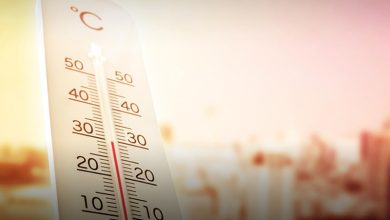
That is why this story keeps returning in Istanbul headlines. Warming water speeds up biological activity. Pollution gives phytoplankton and related organic processes more fuel. Then weak circulation lets the material gather instead of break apart. Once that happens, the mucilage can blanket the sea surface, reduce light penetration, and block oxygen transfer deeper down.
Why Scientists Are More Worried About The Seabed Than The Surface
One reason the current concern feels heavier is that mucilage is no longer being discussed only as an ugly coastal event. Researchers and field observers have reported dense accumulations at depths of roughly 5 to 25 meters, while other 2025 reporting noted that coral areas around the Princes’ Islands and other Marmara locations were being covered. That shifts the story from visual nuisance to ecosystem damage.
Fishers, divers, and coastal communities feel the effects first, but the longer-term cost lands on biodiversity, fisheries, and water quality. A 2022 scientific paper on the 2021 outbreak described mass mortality among marine organisms and severe stress linked to smothering and oxygen loss.
Why Istanbul’s Anxiety Is Also About Trust
There is another layer here. People in and around Istanbul are asking whether enough changed after the 2021 emergency. The 22-point cleanup and protection push was ambitious, and officials pledged stronger treatment and monitoring. But newer coverage in late 2024 and 2025 suggests the mucilage threat never fully left the system. Scientists quoted across recent reports keep repeating the same message: reduce pollution loads, make wastewater treatment real, and stop treating the outbreak like a one-season anomaly.
In that sense, sea snot has become a test of whether the region can match climate pressure with basic environmental discipline. Without both, every hotter season raises the odds that Marmara will slip back into the same cycle. For readers who want current background from established outlets, recent coverage and explainers from Hürriyet Daily News, Anadolu, and TRT World are useful places to track the issue.
FAQs
1. What is sea snot in Istanbul’s waters?
It is marine mucilage, a sticky organic mass formed by stressed microscopic marine life.
2. Why does warming water make mucilage worse?
Warmer water boosts biological activity, helping organic material build faster and persist longer.
3. Is pollution really a major trigger?
Yes, nutrient-heavy wastewater and runoff feed the conditions that let mucilage spread widely.
4. Why is the Sea of Marmara so vulnerable?
Its semi-enclosed structure traps heat, slows circulation, and holds pollution more than open seas.
5. Why are scientists focused on underwater damage?
Because mucilage can smother coral, reduce oxygen, and harm marine life before surface signs.