
2026 Health Risks: How Industrial Pollution Is Impacting Communities
Explore how industrial pollution is impacting human health in 2026, with new data linking factory emissions, wastewater, and airborne toxins to daily health risks.

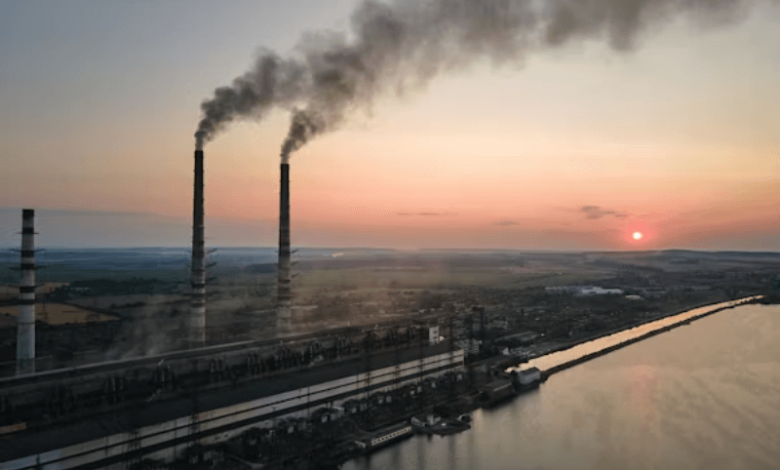
What is industrial pollution in plain terms? It is harmful air, water, and waste released from factories, power plants, mining, and heavy processing units. In 2026, that exposure is showing up faster in real lives: breathing trouble, chest irritation, fatigue, heart stress, and higher long-term disease risk in communities near industrial belts.
The pattern is clear. Where compliance is weak and monitoring is patchy, people carry the health cost first.
What 2026 Signals Are Telling Us About Health Risks
WHO reports that combined ambient and household air pollution is associated with 6.7 million premature deaths each year, and most people still live above guideline air-quality levels. Recent AP reporting from the U.S. also spotlighted repeated pollution concerns at a major coke facility after a deadly 2025 explosion.
On water, the World Bank approved a $370 million Dhaka program in February 2026 after highlighting severe untreated wastewater pressure in connected waterways. Industrial air pollution and industrial water pollution are now treated as linked public-health risks, not isolated compliance issues.
Fast Fashion Pollution Is Entering The Health Debate
Fast fashion pollution is no longer only a climate conversation. The environmental impact of fast fashion includes polluted dye wastewater, chemical-heavy processing, and transport-heavy logistics. Reuters reported one major retailer’s transport emissions rose 13.7% in 2024. UNEP’s official X update on “fast waste” is here: UNEP Post.
5 Ways To Reduce Industrial Pollution Without Slowing Production
Install an industrial air quality monitor for live stack tracking, upgrade air pollution control equipment, deploy air pollution control technologies with independent audits, treat wastewater at source, and cut industrial waste pollution through reuse and safer materials.
FAQs
What causes industrial air pollution most often?
Combustion, chemical processing, metal smelting, and poor filtration release particles, gases, and toxic vapors continuously.
How does industrial water pollution affect human health?
Contaminated water spreads infections, harms kidneys and liver, and increases cancer risks in exposed communities.
Can an industrial air quality monitor actually help?
Yes, continuous monitoring catches spikes early, supports enforcement, and guides faster corrective action at plants.
Is fast fashion pollution linked to health risks?
Yes, dye effluents, synthetic microfibres, and heavy transport emissions worsen air and water exposure burdens.
What should factories do first to cut pollution?
Install controls, treat wastewater, verify waste disposal, audit suppliers, and publish transparent emissions data monthly.