
Indonesia Tightens Environmental Oversight After Sumatra Flood Disaster
Following the disaster of the Sumatra flood, Indonesia initiates environmental audit, attributing the loss of lives to deforestation, zoning, and the actions of corporations.

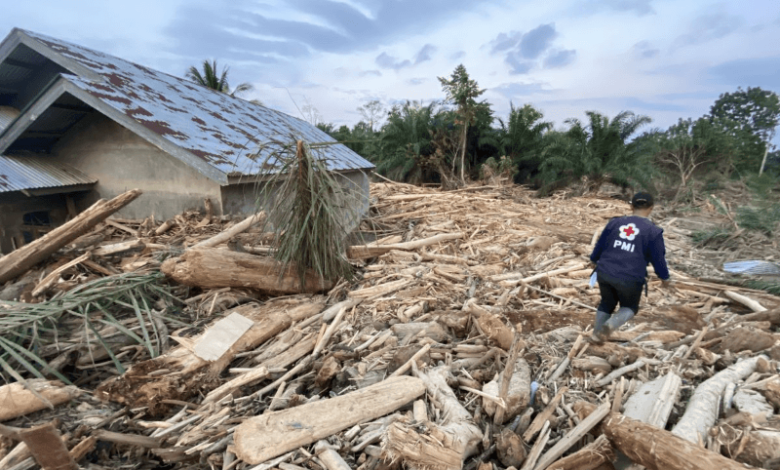
Sumatra landslides and devastating floods that swept Indonesia at the expense of over 1,100 lives have made Indonesia environmental audits to be the centre stage. Although Tropical Cyclone Senyar caused the disaster through excessive rainfall, the Indonesian government has now acknowledged that deforestation and poor land-use planning had a great role to play in its effects. This is a significant change in policy because the government is no longer interested in defining these occurrences as natural catastrophes. The government hopes to go to the root cause of the Sumatra flood disaster by initiating detailed audits on the environment in Indonesia, audit of zoning plans, and reevaluate corporate responsibility in order to narrow the gap between the disaster and its underlying causes.
Government Acknowledges Human Role in the Disaster
Other government personnel admitted after the Sumatra flood catastrophe that the prolonged deforestation and conversion of forests undermined the safety of natural watersheds. These modifications lowered the capacity of the land to absorb heavy content of rainfall and thus floods and landslides were more destructive. Environment Minister Hanif Faisol Nurofiq made the claim that land-use alterations caused by people together with soil properties greatly contributed to the magnitude of the disaster.
This recognition is a milestone in a way that the environmental audits carried out in Indonesia have brought a direct linkage between environmental degradation and the loss of life and destruction of infrastructure.
Three-Pronged Environmental Response Plan
The government responded to this by implementing a three-pronged approach based on prevention and accountability. The most significant is first a high-speed assessment of the effects of disasters, which will inform the process of relocation and reconstruction, so that communities are not returned to the high-risk areas.
The second will examine provincial zoning in Aceh, North Sumatra and West Sumatra. The authorities will consider whether the current spatial plans are in line with the environmental protection and whether they did not work in practice.
The third and most important action is the implementation of Indonesia environmental audits on more than 100 corporations that conduct mining, plantations, energy and infrastructure.
Corporate Accountability and Environmental Audits
The goals of the Indonesia environmental audits will focus on identifying whether corporate activities aggravated the effects of floods as well as the harm that could have been avoided. In the Batang Toru region in North Sumatra which is an ecologically sensitive area, already a few companies have been ordered to shut down during investigations.
The authorities stressed that possession of valid permits would not help companies to avoid punishment. In case the licensed operations resulted in environmental damage or loss of lives may lead to administrative, civil, or criminal prosecution. This position supports the gravity of the Indonesia environmental audits as a control mechanism.
Role of Science and Acadbemic Institutions
The Ministry of Environment is also working together with universities and scientific institutions in the country to make it credible. The findings of research will be evidence based and legally safeguarded such that academics will be free to offer their contribution without fear of being criticized. This scientific methodology will be the one that will reinforce Indonesia environmental audits and policy restructuring.
Cautious Optimism from Environmental Groups
The move has been received with a lot of caution by the civil society organizations. According to the activists, the poor zoning plans tend to legalize the extensive conversion of forests, which in turn facilitates catastrophes unknowingly. A rewrite of these plans may limit the negative projects in future. Nevertheless, critics are not sure whether there is enough political will to implement any meaningful changes following the disaster of the Sumatra floods.