IMD Issues Alert as Fog, Cold Wave & Thunderstorms Sweep Across India
IMD Warns of Dense Fog, Cold Wave & Thunderstorms Across Multiple Regions in India as mornings turn colder, fog deepens and storms hit coastal belts. See updates.

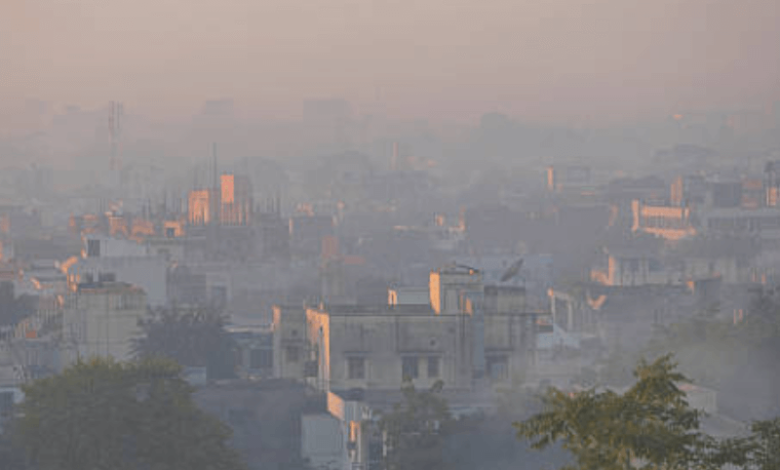
The advisory points to three active hazards at once. Dense fog building over northern belts and the Himalayan foothills. A firm cold wave spreading across central and northern states. Thunderstorms lining up over southern and coastal stretches. Each zone sees a different mix, but the message lands clearly.
Prepare for low visibility, biting mornings, and noisy skies. Small routines bend first, bigger plans follow. Sometimes it’s the small habits that matter.
Dense Fog Alerts for Northern, Northeastern and Himalayan Regions
Fog thickens near dawn and after sunset. Moist air sits low, traffic crawls, horns sound dull in the blanket. Airports announce rescheduling, not ideal but expected in a week like this. On the highways, tail-lights appear late. Station masters announce extra caution. Several districts near the foothills brace for very low visibility pockets.
A tea stall at the bypass tells the story better than charts: hot kettles work overtime, drivers wait it out, and patience sets the pace. That’s how many handle it anyway.
Cold Wave Conditions Strengthening in Central and Northern India
The cold cuts early. Minimums dip by two to four degrees below normal in pockets, and sometimes more. Houses wake to floors that shock the heel. Fields carry a faint crunch. People in open work sites pull on second layers by instinct. Heating arrangements strain in hostels and small clinics. The chill feels sharper on buses before sunrise. Those who remember last year say this one bites sooner, maybe they’re right. Short days, long sleeves, careful steps.
Thunderstorms and Gusty Winds Expected in Southern and Coastal Zones
On the coast, the sky grows loud. Towers of cloud drift in, lightning runs a quick trace, and rain arrives in messy sheets. Boats remain closer to shore. Port authorities cycle advisories. Roof sheets clatter in short bursts when the gusts pick up. Streets flood at the usual spots, the kind everyone already knows. Fisherfolk weigh the catch against the risk. Sound travels oddly over the water. And it feels like the sea decides the day.
Region-Wise Impact of the IMD Weather Advisory
| Region | Primary Conditions | Everyday Impact |
| North & Plains | Dense fog, cold mornings | Flight delays, slow traffic, late school openings |
| Himalayan Foothills | Very low visibility patches | Tourist movement staggered, caution on hill roads |
| Central India | Cold wave, dry air | Health stress for elderly, shift in farm timings |
| Northeast | Fog windows near dawn | Rail operations cautious, ferries on watch |
| South & Coast | Thunderstorms, gusty winds | Fishing advisories, local flooding, port checks |
That table keeps it tidy. Real life stays messier.
Scientific Reasons Behind Fog, Cold Wave and Thunderstorm Formation
Fog builds when near-surface air cools to its dew point and wind stays weak. Temperature inversion traps moisture close to the ground, sealing in haze like a lid on a pot. Cold wave patterns follow clear nights, low humidity, and persistent northerlies that ferry colder air toward the plains. Thunderstorms light up when warm, moist air lifts over cooler layers, hits instability, and climbs fast. Convergence zones near the coast add a push. Simple physics, stubborn outcomes.
IMD’s Timeline: How Long These Weather Conditions May Persist
The advisory suggests a short run for the heaviest fog in many pockets, peaking over two to three mornings, with ebb and flow tied to wind shifts. Cold wave signals look stickier through the week in central and northern zones.
Thunderstorm chances over southern and coastal belts carry a stop-start rhythm, often flaring late afternoon to evening. Timelines always breathe, weather does that, but planning a step ahead still pays.
Government and Disaster-Management Preparedness Measures
- State control rooms circulate district alerts and update road advisories.
- Airport and rail operations coordinate staggered movements during fog windows.
- Fisheries departments push radio updates on sea conditions and gust speeds.
- Civic bodies clear known choke points for runoff in coastal towns.
- Health departments guide shelters and night relief in exposed areas.
Small steps stack into steadier days. That’s the aim.
Safety Tips for Citizens During Fog, Cold Wave and Thunderstorms
- Use low-beam lights in fog, keep distance, avoid sudden braking.
- Layer clothing, cover head, maintain indoor ventilation for heaters.
- Check official marine bulletins before sailing, and carry proper gear.
- Keep power banks charged, torches handy, medicines stocked.
- Prefer midday errands during cold spells, early flights only if essential.
These sound obvious, still, consistency beats luck.
How the IMD Forecast Will Affect Travel, Health and Daily Life
Airline pad schedules, some trains carry buffer time, and highways post warning signs at fog-prone stretches. Hospitals notice more respiratory irritation that pairs badly with smoke from winter burning. Street vendors shift hours to warmer slots.
Farmers advance irrigation windows to spare frost stress where it threatens. School buses idle a bit longer before rolling. Nothing dramatic in one move, but a stack of tiny changes keeps the day workable. Feels like real work sometimes.
FAQs
1. How long could dense fog episodes limit visibility across northern corridors this week?
Dense fog often peaks near dawn for two to three mornings, though local wind changes can stretch or shorten that window.
2. Which regions should expect the sharpest cold in the ongoing cold wave span?
Central and northern belts show the steepest drops, with open, dry areas cooling faster during clear nights.
3. Are coastal thunderstorms likely to disrupt fishing schedules and small ports?
Yes, gusty winds and short bursts of heavy rain can pause departures, so radio advisories remain essential.
4. Do schools and offices typically shift timings during extended fog situations?
Many districts allow delayed starts on dense fog days, and some offices adjust reporting hours to avoid peak hazard.
5. What simple home measures help during cold wave periods without heavy gear?
Layer clothing, warm fluids, cautious use of room heaters with ventilation, and earlier dinners to aid steadier sleep.