
India Launches River Research Centre in Dehradun to Strengthen Conservation Strategy
The Dehradun river research centre opening marks a shift in India’s conservation strategy, supporting stronger river studies, biodiversity work, and policy inputs

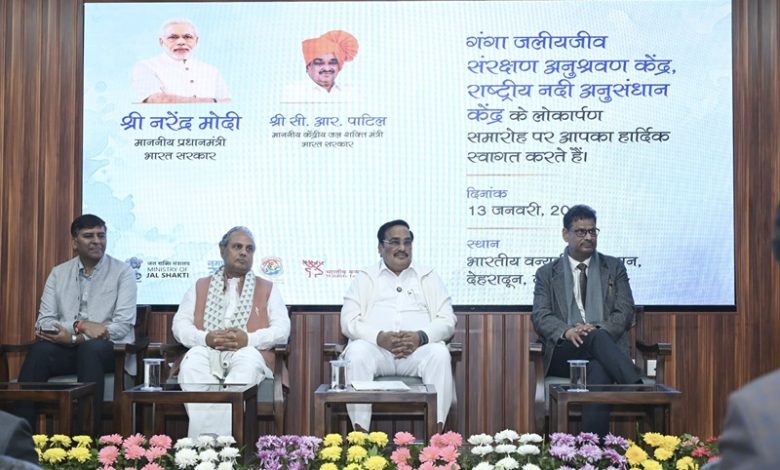
A new National River Research Centre has opened in Dehradun at the Wildlife Institute of India campus, putting river science and field monitoring in sharper focus. The centre is being linked with work under Namami Gange and allied river programmes, with officials framing it as a practical step for better data, faster action, and tighter coordination across agencies.
What the New Dehradun Centre is Expected to do on Ground
The facility is designed to strengthen research on rivers and freshwater ecosystems, and support conservation planning with real measurements, not guesswork. It also brings aquatic biodiversity into the main discussion, including species recovery and rescue systems that often get ignored until damage becomes visible. An official post around the launch is here.
Why this could shift India’s River Conservation Playbook
A key change is the push for evidence-led river management, including monitoring of pollution stress, habitat quality, and biodiversity trends, then feeding that into policy decisions faster.