Changing Earth: How Global Warming Affects Wildlife and Ecosystems
Understand how global warming affects wildlife and ecosystems, from habitat loss to declining species health. A clear look at the urgent environmental changes ahead.

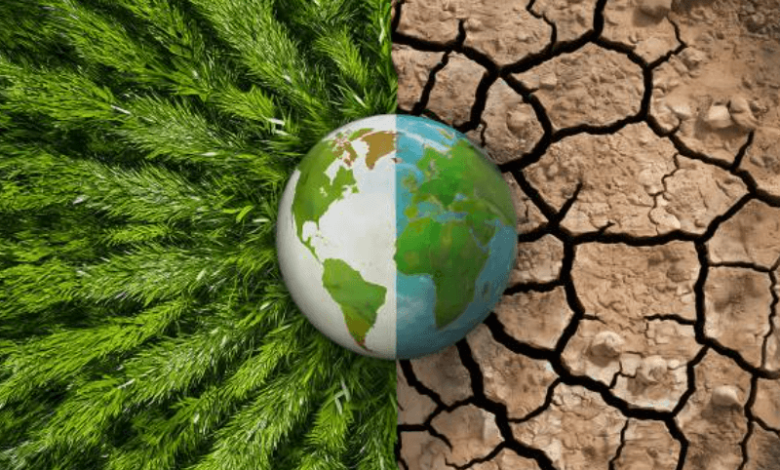
Global Warming is not a future threat anymore. Wildlife is already living through it. In recent climate change news global agencies confirmed that 2024 was the warmest year on record, while 2025 still ranked among the hottest years measured. Forests, reefs, wetlands, and polar zones are under pressure, and species are struggling to adapt at the same speed.
One clear global warming effect is seasonal mismatch: animals migrate, breed, or feed at the wrong time because temperature and rainfall patterns are shifting faster than nature’s old calendar.
What The Latest Science Says About Ecosystem Risk
The IPCC climate change synthesis states that human activity has unequivocally caused warming and already triggered widespread ecosystem damage, including local species losses and higher extinction risk as temperatures rise.
These findings connect directly to global warming causes like fossil fuel use, deforestation, and land-use change. Coral reefs show the crisis in real time: NOAA reports the fourth global bleaching event has impacted about 84.4% of global reef area between 2023 and 2025.
Climate Change Examples We Can See Right Now
Real climate change examples include mass coral bleaching, heat-stressed forests, retreating mountain ice habitats, and fish populations shifting ranges. For people searching warming facts for 10 ways to reduce climate change, practical steps include cutting fossil fuel demand, scaling clean energy, protecting forests, reducing waste, restoring ecosystems, and building climate-resilient cities. Official post on X: WMO Update
FAQs
1) What is the largest contributor of global warming?
The major contributor is burning coal, oil, and gas which contribute to heat-trapping greenhouse gases to the world today.
2) What is the negative impact of warming on wildlife?
Increasing heat alters habitat, disturbs breeding, transmitted disease, and enhanced bleaching, as well as extinction.
3) Are the coral reefs already endangered?
Yes. According to NOAA, unprecedented bleaching heat stress is being experienced across the reefs and posing a threat to fisheries, tourism and coastal protection.
4) Do ecologies bounce back following successive heat waves?
Others heal with shielding and a cold climate, yet recurrent wilting may lead to irreparable permanent losses.
5) What are the most reliable sources of climate updates?
Get science, trends, maps, and advice on climate and use IPCC, WMO, Copernicus, and NOAA climate portals.