
Ocean Protection Worldwide Shifts Under the New High Seas Treaty
The latest high seas pact brings in global cooperation for marine safety, creating pathways for large protected areas and stricter checks on activities in distant waters.

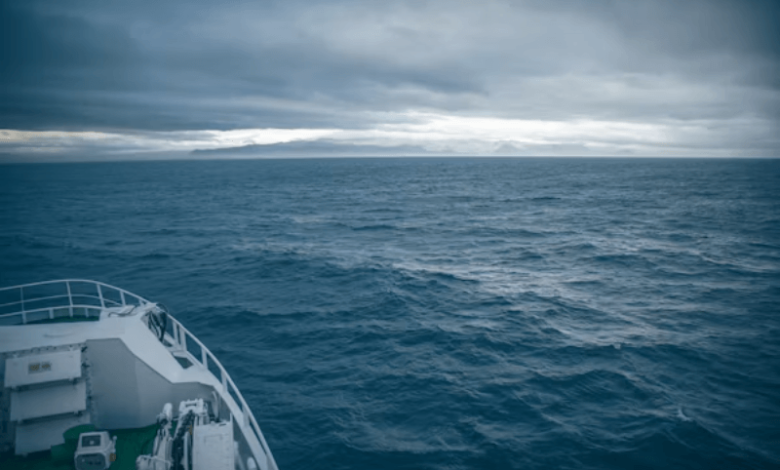
Global ocean policy is entering a new phase as the High Seas Treaty, also known as the BBNJ Agreement, moves into real implementation. It targets waters beyond national borders, places that stayed underprotected for years even as fishing pressure, warming seas, and deep-sea mining interest kept rising. The big shift is simple: clearer rules, shared oversight, and a legal route to protect large ocean areas at scale.
How the New High Seas Treaty Will Change Ocean Protection Worldwide
The treaty is set to enter into force on 17 January 2026, after the 60th ratification triggered the 120-day countdown. It enables new marine protected areas on the high seas, makes environmental impact checks harder to skip, and sets a framework for sharing benefits tied to marine genetic resources. Supporters link it to the global “30 by 30” target, since high seas cover a massive share of the ocean but have thin protection.
What Changes First on the Water
Implementation now becomes the real test, with attention on COP1 timelines and enforcement capacity. Even UNEP marked the moment publicly in this official post: UNEP on X.