High Seas Treaty Explained and How It Reshapes Half the Planet
With the high seas pact now active, nations prepare for marine zones, scientific review panels, and stronger safeguards for ecosystems that sit outside any country’s jurisdiction.

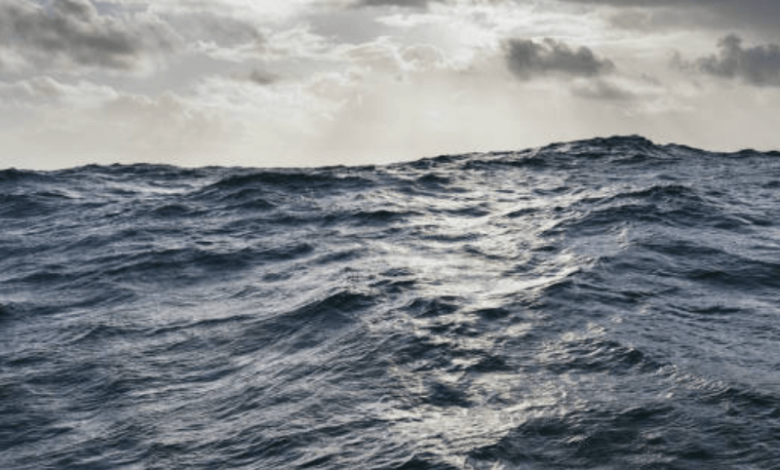
The “High Seas Treaty” is the first binding global deal designed to protect marine life in international waters, the vast stretch beyond any one country’s control that covers close to half the Earth’s surface. Officially known as the BBNJ Agreement, it moved into a new phase after clearing the ratification threshold and entering into force on 17 January 2026, turning years of talks into enforceable rules.
Why it Matters Now
The treaty creates a legal pathway to set up marine protected areas on the high seas, requires environmental impact checks for risky activities, and sets principles for sharing benefits tied to marine genetic resources used in science and business.
A key milestone was widely flagged by UN News on X.
What Happens Next
The first COP meeting is expected within a year to finalise the machinery that approves protected zones and monitors compliance, including reporting rules, scientific panels, funding support, and clearer enforcement steps for violations across open waters.