
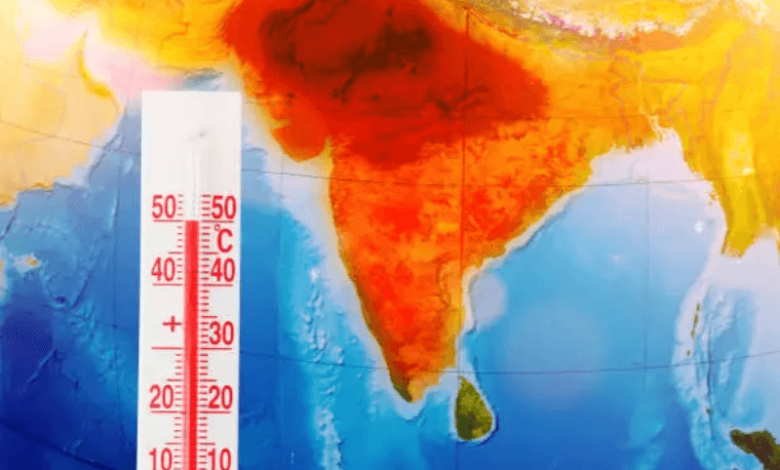
If you live in a city, you already know heatwaves are not “rare” anymore. In 2026, the smarter cities are reacting like it’s a routine public-safety drill: warn early, cool fast, protect the people who get hit first, and track what worked.
The Seven Moves Showing Up In City Heat Playbooks
First, heat early-warning systems are being stitched to public-health messaging, so alerts come with clear “what to do” steps.
Second, cities are scaling cooling centres in libraries, community halls, and malls, and extending pool hours when warnings spike.
Third, cool roofs are getting real funding because reflective coatings can cut indoor heat for homes that bake all day.
Fourth, street-level shade is moving from “beautification” to heat engineering: trees, shade sails, and cooler pavements on the hottest corridors where surface temperatures peak.
Fifth, more places are copying the “Chief Heat Officer” model to coordinate departments, utilities, and outreach partners.
Sixth, worker protections are being tightened, with rules on water, breaks, and shifting work away from peak afternoon heat.
Seventh, cities are using heat maps to target help where it matters: older adults, informal settlements, and blocks with low tree cover.
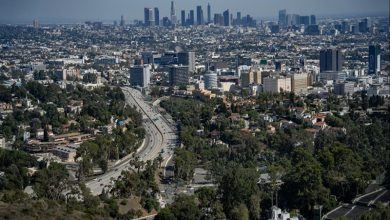
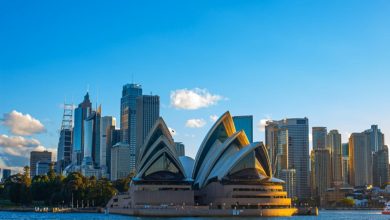
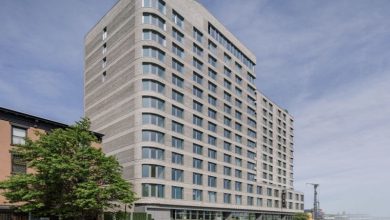
A quick visual from an official Reuters post shows why dense neighbourhoods trap heat and how fixes look on the ground.
What’s Still Missing
The gaps are the expensive basics: retrofitting older housing, resilient power grids for safe cooling demand, and stable funding so heat fixes do not vanish after one summer. UNEP warns today’s cooling efforts are still fragmented and underfunded, especially for vulnerable residents.
The Part Cities Often Skip
Heat plans fail when people do not trust the message. Local language alerts, community volunteers, and door knocks save lives.
FAQs
How do cities trigger heat alerts?
Forecasts plus health thresholds decide when warnings go out.
Do cooling centres cut heat deaths?
Yes, when hours, transport, and outreach match local needs.
What is a cool roof?
A reflective surface lowering indoor heat and reducing electricity use.
How can employers protect workers?
Give water, breaks, shade, and move work from peak heat.
What should cities fix next?
Retrofit housing, upgrade grids, fund shade where risk is highest.