
To create heat reservoirs, New York City has numerous structures made from materials such as concrete and brick, as well as black asphalt. Structurally, they allow for an accumulation of heat during the day, and then slowly release it at night because these materials retain their own heat within them.
Older buildings typically do not have energy-efficient types of coverings on their roofs (flat-roof buildings), nor do they have adequate energy-efficient insulation; therefore, rooftops tend to reach very high temperatures, providing heat reserves for the entire building. As a result, some of these structures will remain warm after the sun has gone down.
The Urban Heat Island Effect
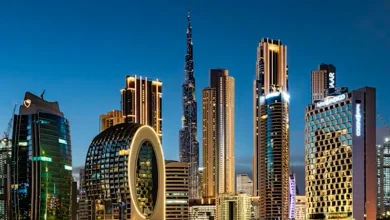
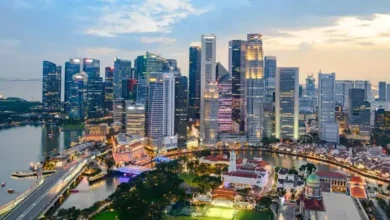
New York City exhibits an urban heat island phenomenon, as dense clusters caused by large groups of buildings trap enormous amounts of heat while reducing the amount of air flowing through the area. Certain portions of New York City, such as Midtown Manhattan, are considerably warmer than parks and waterfront areas; this occurs because high-rise buildings create large clusters that trap heat, prevent the movement of air, and structure heat retainers.
Some of the key contributors to the urban heat island phenomenon are as follows:
– The limited amount of green areas to absorb heat;
– Establishing narrow streets that limit wind movement;
– The use of dark material covering structures, which absorb more heat from the sun than lighter materials.
Poor Ventilation and Outdated Infrastructure
Another significant contributor is poor design and construction of ventilation systems. Most buildings in NYC were built to retain heat, as they were designed for colder climates; therefore, they did not take into account cooling needs.
Examples of problems you might encounter include:
- Insufficiently sized windows or poorly located
- No cross ventilation
- Old Heating, Ventilation, and Air Conditioning (HVAC) systems
Additionally, external infrastructure can have a similar effect on indoor HVAC loads. Heat generated by surrounding subway systems, traffic, or other buildings also makes these spaces warmer (e.g., the above sections of the NYC subway system be much hotter than surrounding areas).
Because of both internal and external heat sources, these buildings also have an increase in indoor temperatures, which increases additional indoor temperature levels.
Smarter Living Tips for Climate, Comfort & Sustainability!
Which LA Areas Are Climate Safe?
Discover the safest and riskiest zones in Los Angeles for climate impact.
How Much To Cool Sydney Home?
Explore the full cost breakdown of cooling a home in Sydney today.
Why Does Indoor Air Quality Matter?
Check how indoor plants improve air and boost healthier living spaces.
What Are Benefits Of Regenerative Farming?
Explore proven advantages and warnings about greenwashing in agriculture.
Which Curtains Keep Delhi Homes Cooler?
Discover the best curtains and shades to reduce heat in Delhi homes.
Final Words
When thinking of interior building temperature in NYC, you cannot just think of weather; building construction, density, and infrastructure will help to shape how those buildings are heated. The hotter it is, the more the buildings that are ‘smart’ (using more advanced materials) and ‘breathe’ are going to create a more comfortable living environment in the city for future generations.
FAQs
1. Why do some NYC buildings feel hotter than others?
Because of differences in materials, design, ventilation, and surrounding density.
2. Do newer buildings trap less heat?
Generally yes, as they use better insulation, reflective materials, and modern cooling systems.
3. How does the urban heat island effect impact buildings?
It raises surrounding temperatures, making it harder for buildings to cool down.
4. Can buildings be made cooler?
Yes, through green roofs, better ventilation, reflective materials, and upgraded HVAC systems.