
Inside Guwahati’s Drain Crisis: Hill Runoff And The One-Hour Flood Pattern
Guwahati often floods within an hour of rainfall. Hill runoff, clogged drains, and shrinking channels combine to push water into streets faster than the city can drain it.

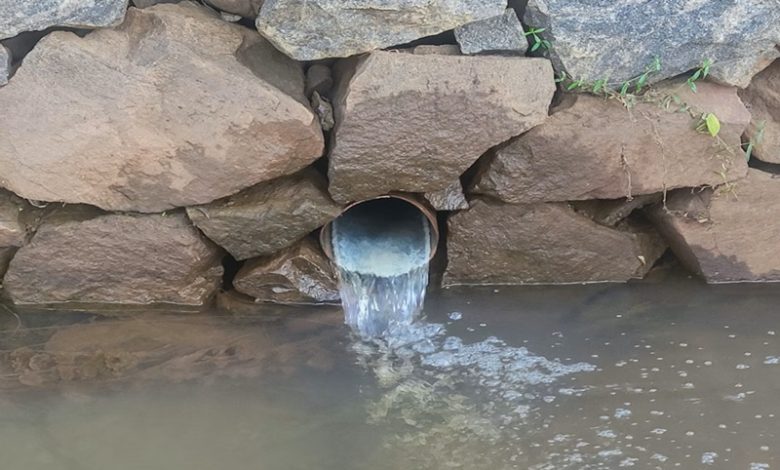
Guwahati does not need a full day of rain to look flooded. In many stretches, one hard spell is enough. That is what makes the city’s waterlogging feel so sudden and so frustrating. An hour of rain can push roads, lanes, and low pockets into a mess because the problem is not only rain falling on the city. There is also water rushing down from the surrounding hills, including catchments linked to Meghalaya, while drains below struggle to carry that load fast enough. Recent reports, civic updates, and court-linked developments all point to the same pattern: runoff arrives quickly, drains choke early, and low-lying areas fill before traffic or pumps can respond.
Why The Overflow Starts So Fast In Guwahati
The first reason is geography. Guwahati sits between hills and low urban basins, so stormwater does not spread evenly. It drops from higher slopes, gathers speed, and then enters a city landscape packed with roads, buildings, narrowed channels, and stressed drains. The Kamrup disaster management plan notes heavy runoff from the Meghalaya hills toward the plains, obstruction of natural water bodies, siltation, and weak drainage as core flood causes in the district. It also states that Guwahati regularly faces localised flooding during rainy days because of poor drainage.
The second reason is that the natural escape routes have shrunk. A 2025 report on Guwahati’s flooding said natural water channels in some locations had narrowed sharply, making it harder for sudden runoff to move out. In Juripaar, the state even proposed road-cum-drain works because older channels were no longer enough for present-day stormwater pressure.
The third reason is clogging and delayed flow. Plastic waste, silt, roadside dumping, and neglected feeder drains reduce how much water a drain can actually carry during peak rain. Reports after major waterlogging episodes showed civic teams removing plastic from drains while residents and conservation voices linked blocked channels to repeat flooding.
That is why the “one hour” effect keeps returning. A Times of India report from August 2024 described an hour-long rainfall that flooded large parts of the city. Later episodes in May 2025 again showed how a brief but intense spell, mixed with hill runoff, could bring Guwahati close to a standstill.
The Hill Runoff Problem Is Bigger Than A Normal City Drainage Issue
This is not just an urban housekeeping issue. Even Guwahati Municipal Corporation said after a major flooding episode that heavy rains, combined with runoff from surrounding hills including Meghalaya, led to flash floods and waterlogging across the city. That matters because once fast-moving runoff enters a built-up area, every bottleneck below becomes visible at once. An undersized culvert, a silted drain, a filled wetland edge, or a narrowed channel can trigger street flooding within minutes. See the GMC update on the runoff-linked flooding.
Why The Story Is Back In Discussion Again
The issue is trending again because Guwahati is still waiting for a bigger structural fix. In February 2026, the Assam government told the Gauhati High Court that a comprehensive drainage master plan for Guwahati is expected by April 2026. At the same time, local reporting this March showed fresh desilting activity and renewed public attention before the heavier rain cycle builds up. That means the city is in a familiar phase: temporary relief work is active, but the long-term system is still catching up. You can also see one recent local news update from GPlus on pump deployment in flooded stretches.
For residents, the explanation is harsh but simple. Guwahati floods fast because rainwater is arriving from above, drainage is constrained below, and the city’s natural buffers have been weakened in between. Until channels, wetlands, hillside runoff paths, and local drains are treated as one connected system, one hour of rain will keep feeling like a civic emergency.

FAQs
1. Why does Guwahati flood so quickly after rain?
Because steep hill runoff reaches low roads fast while blocked drains fail to discharge water promptly.
2. Is hill runoff really a major cause of city waterlogging?
Yes, officials and reports say runoff from surrounding hills adds sudden pressure to urban drains.
3. Do clogged drains make Guwahati’s flooding worse?
Yes, plastic waste, silt, and dumping reduce drain capacity and slow stormwater escape badly citywide.
4. Is the government working on a permanent drainage fix?
Yes, Assam told court a comprehensive Guwahati drainage master plan is expected by April 2026.
5. Why do low-lying neighbourhoods suffer more than others?
They receive accumulated runoff from higher slopes and roads, so water settles there first.