
Rapid Glacier Collapse in Greenland Ice Sheet — What It Means for Global Sea Levels
Greenland ice sheet collapse is accelerating due to climate change, increasing global sea level rise risks for coastal cities.

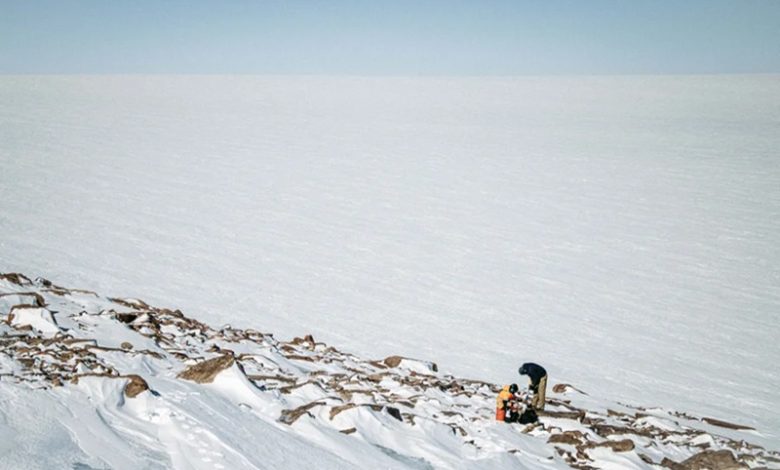
The Greenland Ice Sheet is among the largest ice sheets on the earth and it is an important part in the regulation of the sea level in the world. Over the recent years, researchers have witnessed the rapid melting and glacier meltdown in Greenland because of the increase in global temperature. NASA and European Space Agency satellite missions reveal that the ice sheet is melting away and losing mass at a rate that was not anticipated before. When the trend is sustained, it might have a tremendous blow to the coastal areas of the world. Understanding Greenland ice sheet collapse and its effects on global sea level rise is critical for climate planning, coastal infrastructure protection, and international environmental policies.
Greenland Ice Sheet Collapse and Climate Change
The Greenland ice sheet collapse is strongly linked to global warming and changing Arctic climate patterns. The increase in temperatures, as the surface ice melts, and the bottom glaciers are washed away by warmer ocean waters. Through the satellites of ESA CryoSat-2 and NASA ICESat-2, scientists have assessed the speed of the changes in ice thickness in Greenland.
With the melt away of the glaciers, bulk masses of ice are broken free and dumped into the ocean. The process enhances the melting of ice and is a contributor to the heightening sea levels. Research has indicated that the ice that is present in the Greenland Ice Sheet is sufficient to increase the sea levels in the world by approximately 7.4 meters in case the ice is melted.
Although such a scenario would take centuries, current trends indicate that melting is accelerating, making monitoring and climate action increasingly urgent.
Global Sea Level Rise Impact
The global sea level rise impact from Greenland’s melting ice is already measurable. Researchers estimate that the Greenland Ice Sheet contributes roughly 20% of current sea level rise worldwide.
As ice melts and flows into the ocean, it adds large volumes of water to the seas. This can lead to coastal flooding, erosion, and saltwater intrusion in low-lying regions. Cities such as Miami, Jakarta, and parts of Bangladesh are particularly vulnerable to rising sea levels.
Climate models project that Greenland could add several inches to global sea levels by the end of the century, increasing risks for millions living in coastal areas.
Climate Monitoring and Ice Sheet Research
The climate monitoring and ice sheet research conducted by international scientists helps track the rate of glacier collapse. Satellite data, climate models, and ocean temperature studies provide insights into how ice sheets respond to warming.
Researchers continue to develop advanced monitoring systems to predict future melting patterns. These efforts support governments and environmental organizations in preparing adaptation strategies to protect coastal communities and ecosystems.
Official Social Media Reference
FAQs
1. Why is the Greenland Ice Sheet important for sea levels?
The Greenland Ice Sheet stores a massive amount of frozen water. When it melts, the water flows into oceans and contributes to rising global sea levels.
2. How fast is the Greenland Ice Sheet melting?
Satellite observations show accelerating ice loss since the 1990s due to warming temperatures and ocean changes.
3. What happens if the Greenland Ice Sheet melts completely?
If fully melted, it could raise global sea levels by about 7.4 meters, dramatically affecting coastal regions worldwide.
4. How do scientists monitor Greenland’s glaciers?
Researchers use satellites, climate models, and field measurements to track ice thickness, melt rates, and glacier movement.
5. Can sea level rise be slowed?
Reducing greenhouse gas emissions and implementing climate mitigation strategies can slow warming and limit ice loss.