
Is Hydrogen Fuel the Next Big Green Energy Source?
Green hydrogen is not a substitute of renewables but is required by heavy industry, long-range transport, and long-term storage as prices drop.

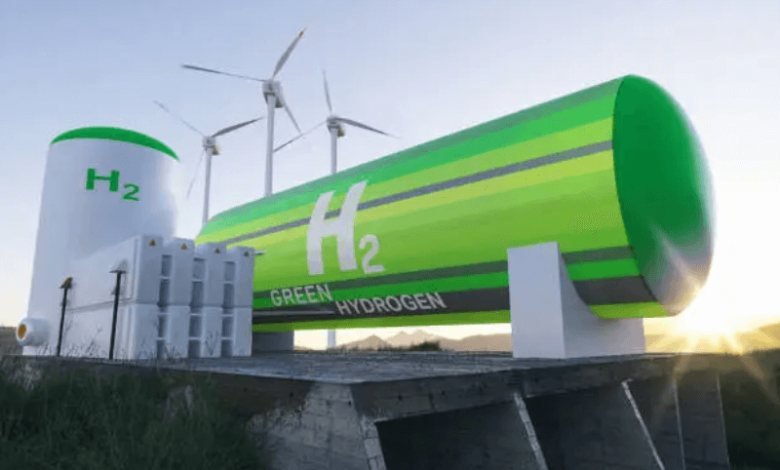
Hydrogen is not a primary source of energy, and yet, it can be an essential element of decarbonization, especially when it is generated as so-called green hydrogen through the process of electrolysis using wind, solar, or hydro energy. Once in use, fuel cells produce no more than water, which allows zero-tailpipe movement and clean power or heat. Hydrogen is particularly useful where there are physics and other operational constraints of batteries, such as steelmaking, ammonia and methanol manufacturing, refineries, maritime transportation, aviation e-fuels, and high-load road transport. It is also used as long-term storage, storing excess renewable energy in a form of a molecule that can be stored and converted to electricity or consumed directly in industry when the power grid requires it.
Green hydrogen is attractive because of its versatility, storage, and the capacity to increase the depth of the renewable penetration of the power and industrial systems. But the economics in this day are tough. The cost of clean electricity, including electrolyzers, balance-of-plant, and, most importantly, the cost of clean hydrogen continue to make green hydrogen more expensive in comparison with grey (natural gas) or even blue (carbon capture). A second limiting factor is round-trip efficiency: by converting electricity to hydrogen and then returning it to electricity, a lot of energy is wasted as opposed to direct conversion of that energy to power via wires and batteries. Infrastructure further complicates this, as hubs of production, pipelines, storage caverns, port terminals, and refueling networks have to be constructed or modified to a great extent. The engineering of safety, taking into account the small molecules size of hydrogen, the risk of leakage, and the flammability needs strict standards and control.
Irrespective of these obstacles, there is momentum. Cost curves are being curved down by falling prices of renewable power, rampant production of electrolyzers, and government subsidies. Industrial clusters are also co-locating green hydrogen output with off-takers to reduce transportation expenses and ports are testing bunkering of ships and synthetic fuels of aviation. Hydrogen excels in mobility, where uptime and payload count: the high specific energy by mass of hydrogen and fast refueling of trucks, buses, and part of rail, albeit with batteries prevailing in light vehicles.
Seasonal balancing that is not economical to offer with lithium-ion can be offered through hydrogen and its derivatives in grids with extremely high renewable shares.Conclusion: Hydrogen is not the next big single green energy solution to everything, but it is the next big facilitator in those hardest-to-decarbonize sectors. Look to a complementary future: where it makes the most sense, direct electrification; where only molecules can do the job, green hydrogen.