High-Seas Pact Unveiled: What This Major Ocean Deal Could Change
A historic marine agreement now gives nations the tools to secure high-seas zones, manage risks, and shape long-term conservation plans for threatened ecosystems.

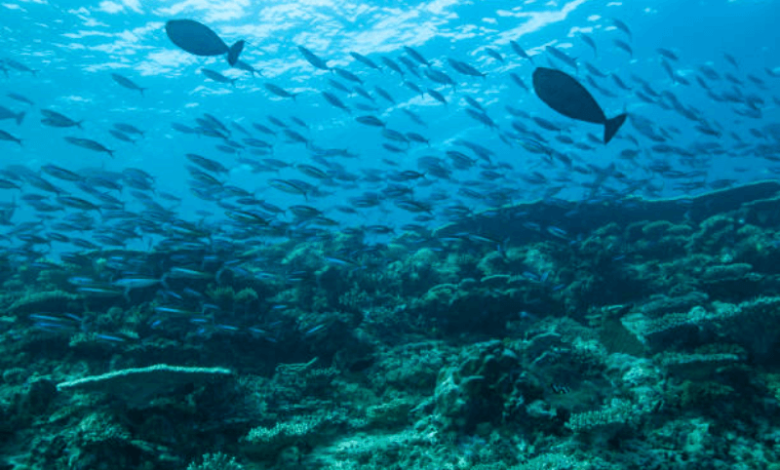
The headline sounds tempting, but it needs a correction. Two-thirds of the ocean is not “protected” today. Two-thirds is the high seas, the vast waters outside any single country’s control. What changed is the rules.
Why the Energy Transition Matters for Global Power Structures
On 17 January 2026, the UN High Seas Treaty (BBNJ) entered into force after the ratification threshold was met, creating the first legal route to set up marine protected areas in international waters and to demand environmental impact checks for risky activities. The announcement is already being pushed as a momentum moment by official UN channels, including this post by Global Goals. Right now, only a small share of the ocean is under protection, so the treaty is more like a starter gun than a finish line.
What Happens Next, and Why it Matters
Countries can now propose protected zones on the high seas, build science panels, fund monitoring, and negotiate compliance. The race is toward the 30×30 target, but enforcement, shipping pressure, and deep-sea threats will test it.