A Deep Look at What’s Behind the Collapse in Global Pollinator Populations
What’s behind the collapse in global pollinator populations and why rapid declines in bees and butterflies now raise serious questions about global food security.

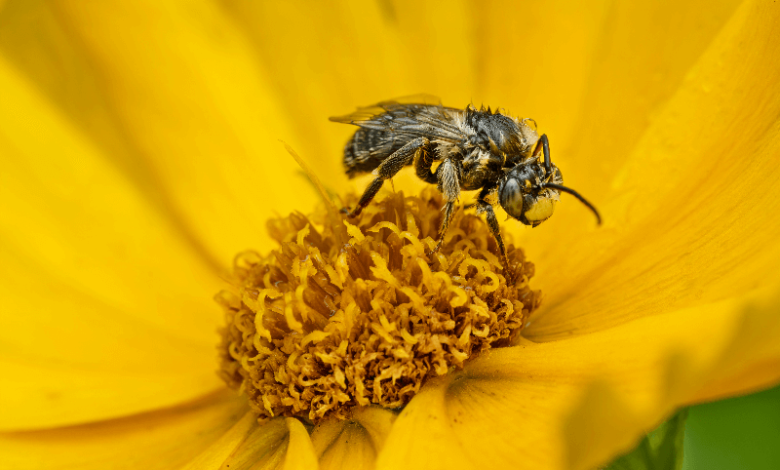
Pollinators are not crashing because of one single trigger. They are getting hit from every side. Across continents, the same pressure stack keeps showing up: habitat conversion, pesticide-heavy farming, parasite and pathogen spread, invasive species, and climate disruption.
Global assessments have warned that bees, butterflies, and other pollinators face rising extinction risk in many regions, even as farming systems still rely heavily on animal pollination for fruits, vegetables, nuts, and seeds. FAO notes pollination supports more than 75 percent of the world’s crops, involving over 200,000 pollinating animal species. That is the core contradiction.
Why The Decline Is Accelerating Now
Recent studies made the trend impossible to ignore. In March 2025, researchers reported that butterfly abundance in the contiguous United States fell 22% between 2000 and 2020. Around the same period, U.S. commercial beekeepers reported severe colony losses, and USDA researchers linked many collapses to high viral loads plus Varroa mites showing resistance to amitraz treatments.
Climate pressure piles on top: newer studies show plants and pollinating insects often shift seasonal timing at different rates after heat or drought events. When flowering and pollinator activity drift apart, food webs and crop pollination get weaker.
Policy Signals Are Finally Appearing
There are signs of action, but they came late. England denied a 2025 emergency neonicotinoid authorization, citing pollinator risks. The European Commission also adopted an EU-wide pollinator monitoring scheme in November 2025 with a 2030 reversal target.
Monitoring is important, but numbers alone will not restore insects without pesticide risk cuts and large-scale habitat recovery. For an official post, see FAO’s World Bee Day message on X:FAO Pollinator Post.
FAQs
1) What is the biggest cause of pollinator collapse?
Multiple causes combine: habitat loss, pesticides, parasites, invasive species, pollution, and climate stress acting together.
2) Can city residents help pollinators meaningfully?
Yes, plant native flowers, avoid insecticides, and create small nesting patches for wild pollinators nearby.
3) Why do timing mismatches matter so much?
If flowers and insects peak separately, pollination fails, reducing seeds, fruit set, and ecosystem stability.
4) Are managed honeybees enough to solve this?
No, wild pollinators provide critical services; healthy ecosystems need diverse species, not single managed populations.
5) What policy step gives fastest gains?
Reduce high-risk pesticide exposure immediately while restoring connected habitat corridors around farms and urban edges.