Top 10 Cities Facing the Worst Global Droughts in 2025.
The 2025 global drought crisis exposes how fast cities worldwide are running out of water, pushing communities to adapt through conservation, reuse, and reform.

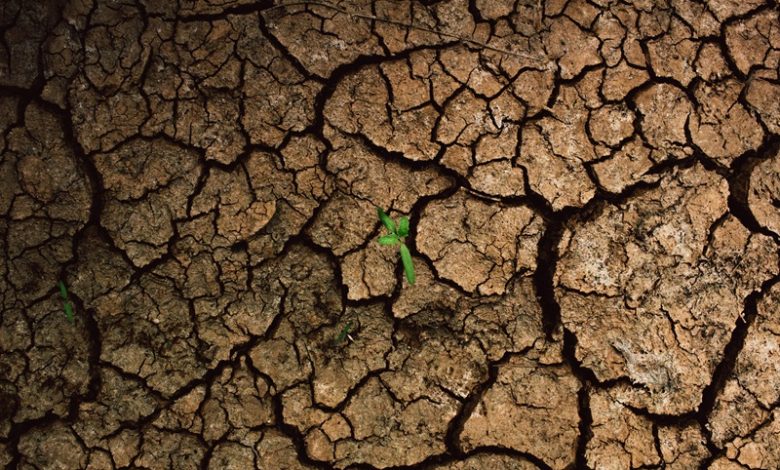
Across the world, water taps turn slower. Summers stretch longer. Dust replaces green. In 2025, several cities have reached a breaking point, struggling under severe drought conditions that affect every routine, cooking, farming, cleaning, even sleeping. This report lists the ten cities where water scarcity now defines daily life. A stark reminder of how Climate Change continues to intensify global drought conditions.
Global Drought Outlook 2025
| Rank | City | Country | Primary Cause | Current Status (2025) |
| 1 | Mexico City | Mexico | Falling rainfall, dry reservoirs | Water cuts weekly |
| 2 | Tehran | Iran | Overuse of groundwater | Shortages citywide |
| 3 | Cape Town | South Africa | Weak rainfall cycle | Rationing renewed |
| 4 | São Paulo | Brazil | Forest loss, poor rainfall | 40% drop in storage |
| 5 | Bogotá | Colombia | Population growth, uneven rain | Scheduled rationing |
| 6 | Las Vegas | USA | Colorado River depletion | Record low at Lake Mead |
| 7 | Hyderabad | India | Shrinking lakes, heat | Seasonal gaps |
| 8 | Beijing | China | Groundwater loss | Supply stress |
| 9 | Amman | Jordan | Arid zone, refugee pressure | Imports dominate |
| 10 | Khartoum | Sudan | Nile flow drop | Drought alert |
Top 10 Cities Struggling with Severe Global Drought in 2025
The past year has tested city systems everywhere. Streets once alive with fountains and gardens now echo with water trucks and rationing alarms.
1. Mexico City, Mexico
Residents wake before sunrise to catch the faint sound of running taps. The Cutzamala system, once the city’s main source, now runs at half strength. Neighborhood tanks empty faster than supply trucks arrive.
2. Tehran, Iran
The mountains around Tehran used to glow white in winter. Now, bare ridges bake under heat. Reservoirs sink lower every month, forcing deeper wells that bring up water tinged with salt.
3. Cape Town, South Africa
People remember 2018’s “Day Zero” too well. The city escaped it once but still lives on edge. Dams stay dry despite early restrictions. Buckets line courtyards as households count every litre.
4. São Paulo, Brazil
With rain patterns fading, São Paulo’s reservoirs no longer refill fast enough. The forest moisture that once shielded the city has thinned. Public buildings close restrooms on dry days to save water.
5. Bogotá, Colombia
Evenings grow tense as homes wait for water schedules to resume. The sound of plastic jugs clanking on balconies is common now. Officials warn the dry season could extend into next year.
6. Las Vegas, USA
Tourists see bright lights but not the problem underneath. Lake Mead’s edge retreats daily. New rules ban ornamental lawns, and almost every drop gets reused. Still, the desert air feels drier than ever.
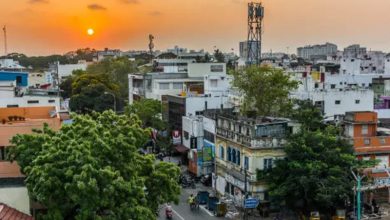
7. Hyderabad, India
Once called the City of Lakes, Hyderabad now depends on tankers. The summer sun hardens the soil like brick. Residents crowd around borewells, hoping the motors don’t fail before their turn.
8. Beijing, China
Aquifers that fed Beijing for generations are almost gone. The South-North Water Transfer Project keeps the capital afloat, but each dry year strains it further. Many factories now reuse process water to stay open.
9. Amman, Jordan
Every household keeps barrels. Rainfall lasts only a few weeks, and the rest of the year depends on imported water. For poorer areas, supply arrives by truck once a week, sometimes less.
10. Khartoum, Sudan
In Khartoum, the Nile no longer behaves like a river of life. The flow weakens unpredictably. Wells dry overnight. Farmers walk through cracked fields that smell faintly of clay and heat.
Technology and Policy Measures to Tackle City Droughts
Cities are trying to fight back, though the race is uneven. Las Vegas has nearly perfected reuse systems that clean wastewater for irrigation. Beijing’s smart meters detect leaks faster than workers can reach them.
In Hyderabad, local volunteers dig recharge pits behind schools to trap rain. Mexico City tests fog nets along nearby hills to gather droplets from the morning mist. Cape Town tightens restrictions again, but this time with better planning.
Desalination grows slowly; cost remains high. The real progress comes from small fixes—drip irrigation, leak repairs, shorter showers. In places like Amman and Tehran, success depends on community effort more than technology. Everyone contributes a little, or no one gets enough.
What Global Agencies Say About 2025 Drought Trends?
Reports from the United Nations show two billion people now live with extreme water stress. Cities are the hardest hit. From South Asia to South America, reservoirs shrink while demand keeps rising.
Meteorologists expect dry seasons to last longer through 2030. Population growth outpaces infrastructure in most developing nations. Governments are urged to modernise networks, store more rainfall, and treat wastewater as part of daily supply, not backup.
Regions with proactive policies—like Singapore, Israel, and parts of Spain—see fewer disruptions because every drop is reused. Others remain reactive, responding only when dams reach the danger zone.
Outlook: Cities Racing to Secure Their Water Future
Every drought leaves a mark on how people think about water. Some cities now plan around scarcity as a permanent condition. Projects once delayed are being rushed: desalination in Cape Town, aquifer mapping in Tehran, and stormwater capture in Mexico City.
Progress doesn’t come from large gestures but from daily changes. A family in Bogotá collecting rainwater, an engineer fixing leaks before dawn, a farmer switching to drip lines near Khartoum—these small acts keep cities moving.
The world may not run out of water all at once, but for millions, the future already feels dry.
FAQs
1. Which city faces the worst drought in 2025?
Mexico City tops the list, with main reservoirs below 40% and emergency drilling underway.
2. What drives global drought conditions?
A mix of irregular rainfall, rapid urbanisation, forest loss, and groundwater misuse.
3. Which city recovered the fastest from drought?
Cape Town has improved through strict rationing and desalination, though it remains cautious.
4. How does drought affect daily life?
Frequent water cuts change routines, forcing homes and businesses to adapt around schedules.
5. What long-term measures can help cities?
Rainwater harvesting, leak prevention, wastewater recycling, and community education build resilience.