
The Rapid Collapse of Reefs Across 80+ Countries Driven by Climate Change
Across 80+ nations, coral systems are bleaching, breaking, and eroding as climate patterns shift, revealing a global environmental problem now impossible to ignore.

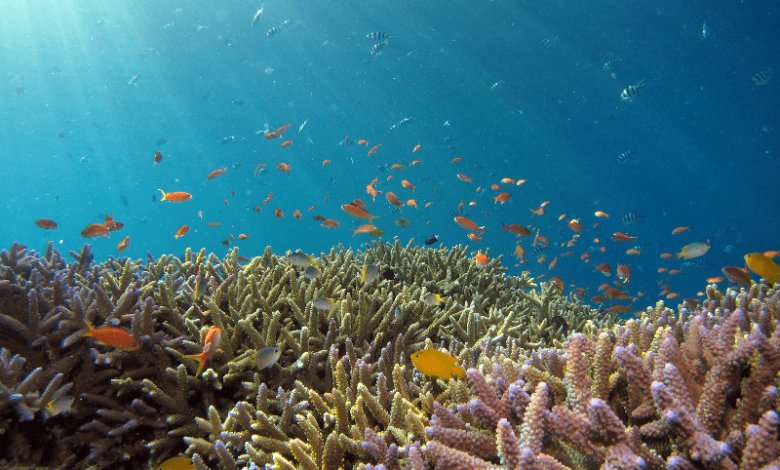
Coral reefs don’t fail overnight. They fade in slow motion, one hot week at a time, until a “colourful” reef turns pale and quiet. Scientists say we’re now living through the fourth global coral bleaching event, fuelled by ocean heat made more likely by human-driven warming.
What’s Happening Right Now In The Water
When seawater stays too warm, corals eject the algae that feed them and give them colour. That’s bleaching, and it’s spreading across the tropics. NOAA’s Coral Reef Watch data show bleaching-level heat stress has affected roughly 84% of the world’s reef area since early 2023, with mass bleaching documented in at least 83 countries and territories.
This wave is being supercharged by repeated marine heatwaves, and NOAA has expanded its bleaching alert scale to match how extreme conditions have become.
Some of the “headline” reefs are getting hit repeatedly, including parts of the Great Barrier Reef. But what’s spooking researchers is that places once treated as safer pockets are also flashing red on heat-stress maps.
Here’s an official news post showing the crisis up close: Al Jazeera English Instagram Reel.
10 cities likely to disappear by 2030 as rising sea levels threaten survivalWhy “80+ Countries” Is A Big Deal
Reefs are not just tourist views. They underpin fisheries, storm protection, and local jobs. When bleaching goes truly global, recovery windows shrink, and the same communities get squeezed by weaker coasts and smaller catches.
What Can Still Help This Decade
Local fixes matter, but temperature is the main dial. Cutting heat-trapping emissions is the core lever, while reef monitoring, heat alerts, and rapid response can buy time for the toughest corals to hang on and seed recovery.