
Coral Bleaching Hits 84% Ecosystems
New data confirms global coral bleaching has hit 84% of world reefs. Learn about the record-breaking marine heat stress driving this ecosystem collapse.

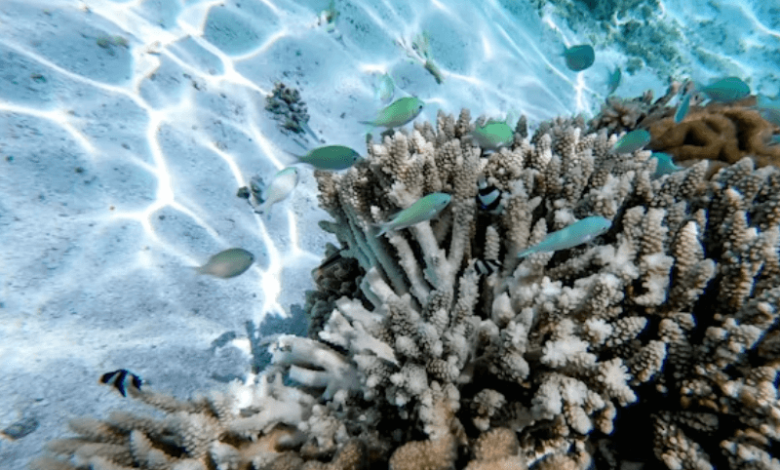
A catastrophic environmental milestone has been reached as scientists confirm that global coral bleaching has now impacted 84% of the world’s reef ecosystems. The recent statistics of the National Oceanic and Atmospheric Administration (NOAA) and International Coral Reef Initiative (ICRI) confirmed that this phenomenon, which started in 2023, is considered the largest of its kind in history. The unprecedented marine heat stress driving this crisis has affected reefs in the Atlantic, Pacific, and Indian Oceans, surpassing previous records set during the 2014-2017 event. Such extensive whitening is a warning sign of a significant marine biodiversity loss and a serious threat to the lives of millions of people depending on these colourful underwater environments.
Rising Marine Heat Stress & Reef Mortality
The chief cause of this destruction is extended warming of the oceans. As sea temperatures remain elevated, corals expel their life-sustaining algae, leading to starvation and potential reef mortality. Although bleaching does not directly kill corals, these heat waves are so frequent and intense that they do not have much time to recover.
Scientists have cautioned that unless climate action is undertaken urgently to reduce ocean temperature, most or all of these ecosystems might become functionally extinct. Their disappearance would destroy fish populations and fail the protection to the coast to storms.
“We are witnessing a paradigm shift in the composition of our oceans and this is a warning, says NOAA.
“https://twitter.com/ICRI_Coral_Reef?ref_src=twsrc%5Etfw“>(Note: While the 84% figure is from the 2025 update, the post above is the official NOAA announcement of the 4th Global Event, which is the ongoing crisis discussed.)