
Why Global Car Mileage Just Dropped for the First Time in 30 Years
For the first time in 3 decades, Global Car Mileage Just Dropped, revealing new behaviour shifts in travel, energy use, and cities. See the factors behind this downturn.

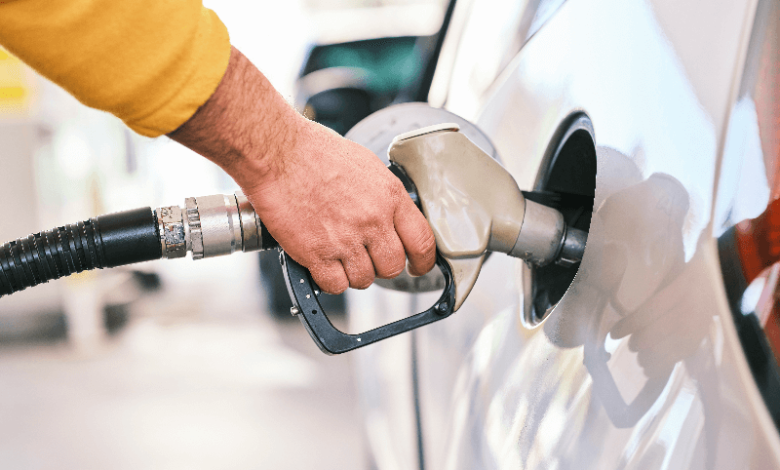
Global Car Mileage Just Dropped, For the First Time in 3 Decades is the kind of headline that sounds dramatic, but the trend is real. Across the world, cars clocked fewer miles than the year before, after a long run of steady growth. It feels odd to say it, yet the roads did get a bit quieter.
What’s Behind the Drop in Distance Driven
Transport data during the COVID-19 shock showed how quickly road movement can fall when offices, schools, and borders slow down. The International Energy Agency said global road transport activity was almost 50% below the 2019 average by the end of March 2020, with many regions seeing even sharper drops.
Since then, commuting has not snapped back the same way everywhere. Some work stayed hybrid. Some meetings stayed online. And many households got used to planning trips better, fewer “just because” drives. That’s how it looks, anyway.
A few pressures keep nudging mileage down:
- Remote and hybrid work cutting weekly commutes
- High fuel prices in some markets making every trip feel costly
- City rules on parking, congestion, and low-traffic zones
- More short trips shifting to delivery, transit, or walking
The Knock-on Effects: Fuel, Emissions, and Car Culture
Lower driving hits oil demand first, then the rest of the chain. The IEA flagged how mobility makes up a big share of oil demand and how lockdowns crushed it. Researchers tracking daily global CO2 emissions during confinement found surface transport was a major driver of the drop. For a quick reference point, the IEA posted its Global Energy Review 2020 on X.