Glacier Loss Exposed: Melting Ice and Rising Risk Worldwide
Glacier loss brings rising risks beyond oceans. Discover how melting ice reshapes water flows, ecosystems, disasters, and daily life in ways most people never expect.

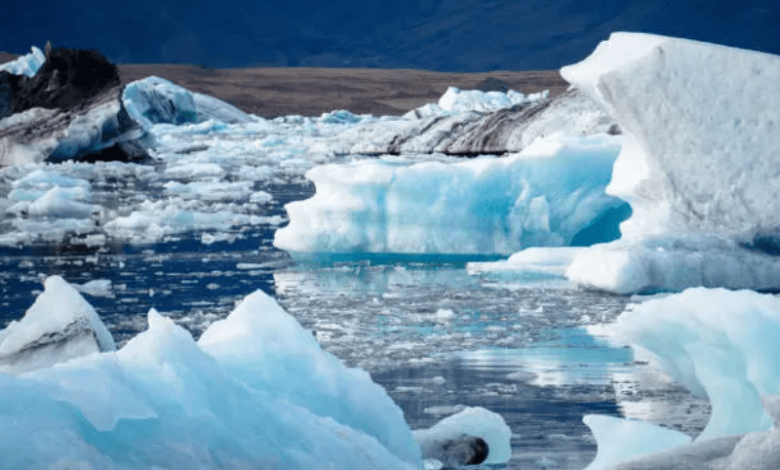
Glacier loss is usually framed as a sea-level problem, but the sharper risks show up far from the coast. When a glacier thins, rivers do not just “run lower.” They swing. Many regions see a brief phase of extra meltwater, then a steep drop once the stored ice is gone. That boom–bust cycle can hit drinking water, farming calendars, and summer cooling demand in cities that depend on mountain runoff.
Hidden Impacts That Change Daily Life
Water security gets less predictable: The UN’s World Water Development Report 2025 warns that rapid glacier melt threatens freshwater supplies for over two billion people who rely on mountain “water towers.”
Disaster risk rises upstream: As glaciers retreat, glacial lakes can expand and natural dams can weaken, raising the chance of sudden glacial lake outburst floods (GLOFs). Recent research highlights GLOFs as a growing hazard in places like the Himalaya, with real danger for roads, bridges, and hydropower sites downstream.
What’s Trending In Glacier Stories
In Europe, new modelling suggests Alpine glaciers could reach a peak “extinction rate” in the 2030s, meaning many smaller glaciers may disappear faster than locals planned for.
The Social, Energy, And Health Angle
Hydropower needs seasonal flow you can forecast; glacier-driven volatility means curtailments in dry months and higher damage potential during flood pulses. Ecosystems feel it too: colder meltwater supports river habitats, and warmer low flows can worsen algal blooms.
As ice retreats, previously trapped sediments and pollutants can also move into waterways. WMO has been flagging this wider risk picture in recent social updates about record heat and melting glaciers.
FAQs
How does glacier loss affect water supplies if rainfall stays the same?
Glaciers act as storage; when they shrink, summer flows drop and shortages often worsen downstream.
What is a glacial lake outburst flood, in simple terms?
A fragile lake dam breaks, releasing a sudden wall of water, debris, and ice downstream.
Can glacier melt disrupt electricity generation even without big storms?
Yes, erratic flows reduce hydropower output, and sudden surges can sometimes damage turbines and dams.
Does glacier retreat change local weather or only river flow?
It can alter humidity and valley winds, but the clearest shifts appear in river timing.
What can communities do right now to reduce glacier-related risk?
Map lakes, monitor slopes, upgrade early-warning systems, and plan water storage for dry years locally