Why Nagpur’s Futala Lake Keeps Facing Pollution Pressure: Old Sewage Lines And Fast Urban Build-Out
Futala Lake in Nagpur faces growing pollution as old sewage lines and rapid urban expansion strain drainage systems, water quality, and long-term lake health.

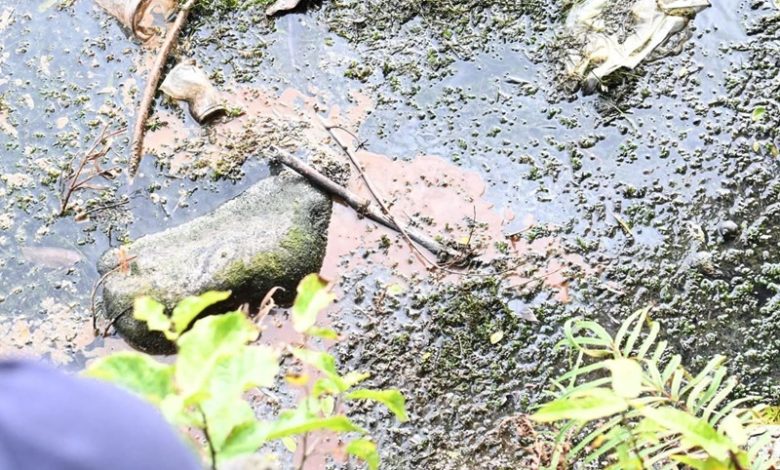
Futala Lake remains one of Nagpur’s best-known public spaces, but the lake is also becoming a case study in how older city infrastructure fails when urban growth moves faster than basic drainage and sewage systems. The latest pressure point is not only litter or surface-level neglect. It is the deeper mismatch between an ageing sewer network, nearby settlement growth, and ongoing development around the lake zone. In February 2026, the National Green Tribunal asked Nagpur Municipal Corporation to submit a time-bound plan for a new sewer line after NMC admitted the existing sewage collection network near Futala was extremely old and insufficient.
The Sewage Problem Is Old But The Pressure Is New
What makes Futala’s story sharper now is scale. NMC told the tribunal that untreated sewage was entering the lake because the old network could no longer handle the load from a growing population in the surrounding area. The proposed sewer-line project in the Futala slum belt is meant to stop that direct overflow, which shows the pollution issue is tied to basic underground infrastructure, not just poor lakefront behaviour.
Fast Urban Build-Out Has Raised The Stakes
Futala is no longer sitting at the edge of a slower city. The lake is caught in a zone shaped by road traffic, dense habitation, commercial activity, and continuing construction debates. Recent legal and civic scrutiny around catchment-area encroachments, lake-wall repairs, and development-linked waste has turned Futala into a planning flashpoint. Even when beautification moves forward, pollution control keeps dragging the spotlight back to basics: sewage connectivity, runoff management, and carrying capacity.
Why Cleanups Alone Do Not Solve It
Periodic cleanups can improve the look of the lake, but they do not fix a broken inflow system. That is why weed removal, waste collection, and warning boards have not fully settled the issue. The tribunal has kept asking for a broader revival and compliance plan because repeated symptoms point to a structural problem, not a one-season mess.
The Official Mood Has Shifted To Compliance
The language around Futala has become more serious. Tribunal action, committee reports, and state-level responses now frame the lake as a monitored environmental issue rather than only a civic beautification site. An official Swachhta awareness post linked to Futala Lake also shows that government messaging has moved toward public discipline and upkeep, even as the harder engineering work remains unfinished.
What Futala Lake Really Reveals About Nagpur
Futala’s pressure is urban in the most familiar Indian way: an old utility network, a fast-changing edge zone, and a famous public landmark expected to absorb both tourism and city expansion. Until sewer upgrades, catchment protection, and development controls move together, Futala will keep looking cleaner in photographs than it feels on the ground.
FAQs
Why is Futala Lake still under pollution pressure?
Because old sewage lines, overflow risks, settlement growth, and nearby development keep stressing the lake.
What did NMC admit before the tribunal?
NMC admitted the sewage collection network near Futala was old, inadequate, and causing overflow.
Is the issue only about garbage around the lake?
No, the larger problem involves untreated sewage, weak drainage links, and broader catchment pressure.
Why doesn’t beautification fully fix Futala Lake?
Beautification improves appearance, but polluted inflows continue unless sewage and runoff systems are upgraded.
What does Futala show about fast-growing cities?
Growth without infrastructure upgrades pushes lakes, drains, and public spaces into repeated environmental stress.