Rising Shortages Explain Why the World Is Running Out of Fresh Water
Understand why the world is running out of fresh water in more places, with climate shifts, rapid use, pollution, and weak infrastructure reshaping water access.


The phrase “Why the World Is Running Out of Fresh Water in More Places” is no longer a seminar topic. It now sits inside daily reporting, as more cities face tighter taps, lower reservoirs, and stressed aquifers. Fresh water is not disappearing, but usable supply is shrinking in many regions at the same time. And demand keeps climbing. It feels like a slow squeeze, not a single crisis day.
The Growing Global Freshwater Crisis
Water stress is spreading across maps that earlier looked “safe”. Urban supply managers are talking about shorter buffer periods. Farmers are shifting crop plans more often. Industries are paying higher bills for the same litres. That’s how it looks anyway.
The basic math is harsh. Most water on Earth is salty. A lot of fresh water sits in ice or deep underground. The share that moves through rivers, lakes, and shallow aquifers is limited, and it is the part under maximum pressure. A small share, but huge dependence.
How Climate Change Is Disrupting the Water Cycle
Rains are behaving differently across seasons. Some places see long dry spells, then sudden heavy downpours that rush away on hard ground. Heat pushes evaporation up, so soils lose moisture faster and reservoirs shrink quicker. That pattern is getting familiar.
A warmer climate also changes snow and ice behaviour. Snowpack used to act like a steady bank account for rivers. With warmer winters, that timing shifts, and dry-season flow turns weaker. It is not dramatic in one week, but it builds month after month. Feels strange sometimes, watching “normal” seasons stop acting normal.
Overuse of Rivers and Groundwater Sources
Many water systems are being pulled harder than they refill. Groundwater is a silent helper, so it gets used heavily during drought years. The problem comes later, when wells drop deeper, pumping costs rise, and some borewells fail.
Common pressure points show up again and again:
- Large irrigation belts pumping through the dry season
- Fast-growing cities leaning on nearby aquifers
- River basins shared by multiple states or countries, each taking a larger share
When a river runs low, the stress shifts underground. When aquifers fall, the stress returns to the river. A loop, not a neat line.
Population Growth and Rising Water Demand
The number of users grows, and so does per-person use in many places. Cities add housing, roads, and offices, and each needs water. Food demand rises too, and farming remains the biggest user in most regions. That is the hard part.
Demand rises through everyday choices as well:
- More cooling needs during hotter months
- Higher meat and dairy consumption in some markets
- More packaged and processed goods, which need water in supply chains
- Expanding construction activity, which consumes water directly and indirectly
No one “wants” a shortage. Demand still climbs. Simple as that.
Pollution Is Reducing Usable Fresh Water
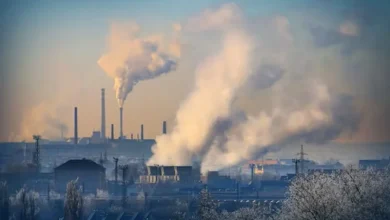
In many districts, water exists but cannot be used safely without heavy treatment. Sewage entering rivers, chemical runoff in agricultural areas, and industrial discharge near clusters reduce usable supply. Then water scarcity looks worse than it “should” look.
Pollution also forces communities to shift sources. A contaminated river pushes reliance toward groundwater. A polluted aquifer pushes reliance toward tanker supply or distant surface water. That shuffle adds cost and creates inequality. That’s the messy part nobody enjoys writing about.
Ageing Infrastructure and Poor Water Governance
A lot of water is lost inside pipes before it reaches homes. Leaks are common, and fixing them is slow. Treatment capacity does not always match population growth. In many towns, supply lines were planned for smaller populations and lighter demand. So the network strains.
Governance issues add another layer:
- Unregulated borewells in peri-urban belts
- Weak enforcement on polluters
- Pricing that does not reflect scarcity, leading to waste
- Delayed upgrades due to funding gaps or tender delays
It is not glamorous work. Still, it decides daily supply.
Can the Global Freshwater Crisis Be Solved? Emerging Solutions
Solutions exist, but each demands discipline. Better irrigation methods cut demand. Wastewater reuse reduces pressure on rivers. Rainwater capture helps in cities, if enforcement is serious. Smart metering can reduce losses, if maintenance is steady. That’s how it goes.
Some practical moves being discussed and adopted:
- Shift to water-efficient crops in stressed basins
- Fix leakage and pressure management in city networks
- Treat and reuse wastewater for industry and landscaping
- Protect recharge zones, lakes, and wetlands
- Stronger pollution controls, with penalties that actually bite
No single fix will “solve” it. A set of fixes, done steadily, can. Around a hundred words, but the work is years long.
Regions Already Facing Critical Water Scarcity
Several regions already live with chronic shortages, not temporary stress. The situation varies, but the pattern is clear: high demand, weak recharge, hot climate, and rising pollution. That’s how it keeps stacking up.
| Region cluster | Common drivers | Typical impact |
| Middle East and parts of North Africa | Low rainfall, high demand | Heavy dependence on desalination, imports |
| South Asia urban belts | Rapid growth, groundwater stress | Tanker markets, deeper borewells |
| US Southwest pockets | Heat, over-allocation | Reservoir decline, usage cuts |
| Sahel and parts of East Africa | Variable rainfall, weak infrastructure | Long walks for water, unstable supply |
| Coastal lowlands in many countries | Salinity intrusion | Fresh water sources turning brackish |
This list is not a competition chart. It is a warning sign.
Extreme Weather Events Accelerating Water Shortage
Drought hits supply directly, but floods also damage water security. Floodwater can contaminate drinking water sources, damage pipelines, and overload treatment plants. After a flood, safe water can become scarce even in a water-rich area. That surprise is real.
Heatwaves add pressure quickly. Water use rises during heat events, and supply systems struggle with peak demand. And rural areas face crop stress, which triggers extra pumping. Short events can trigger long recovery periods, and that part gets missed.
FAQs
1) Why is fresh water becoming scarce in more places even after good rainfall years?
Rainfall can arrive in short bursts and run off quickly, while aquifers and reservoirs need slow recharge.
2) How does groundwater depletion create long-term water shortage for cities and villages?
Falling water tables increase pumping depth and cost, and shallow wells fail first, widening inequality fast.
3) Why does water pollution count as water scarcity even when rivers still carry water?
Contaminated water needs costly treatment, and many systems cannot treat it fully, so supply becomes unusable.
4) Which sectors push the highest demand in most regions facing water stress today?
Agriculture remains the largest user in many basins, while cities and industry add sharp growth pressure.
5) What are the most realistic steps governments can take within two to five years?
Leak repairs, metering, wastewater treatment, stricter pollution control, and recharge protection can show quick results.