Rewriting Flood Risk in London: Rain Surges, Thames Barriers & Plans
London faces rising flood risk from extreme rain and tidal surges. Learn how Thames Defences and new climate adaptation plans aim to keep the city safer through 2026.

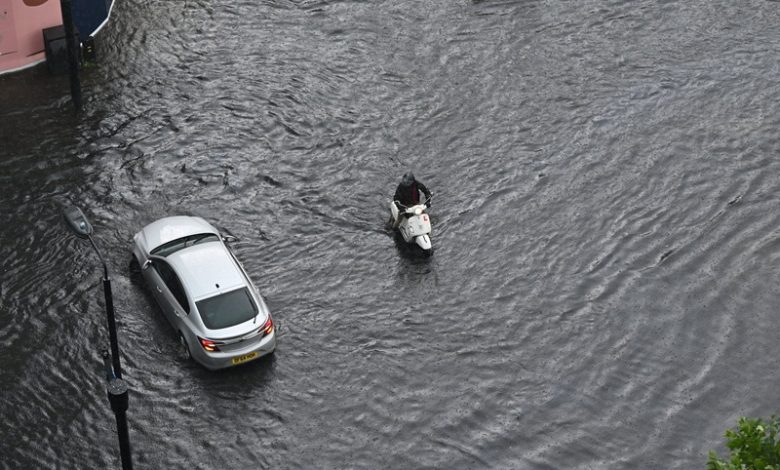
London’s flood story is no longer only about storm surges from the sea. The Thames Barrier still matters a lot, but the bigger day-to-day anxiety now comes from intense rain hitting hard surfaces faster than drains can cope. City Hall lists surface water flooding as London’s main flood risk, and officials say climate change is increasing that threat. Londoners are watching both fronts: river-defence reliability and street-level flash flooding.
What Is Changing On The Ground In 2026?
The Thames Barrier has been closed 221 times for flood defence since operations began in 1982, showing how active the system already is. The wider Thames Estuary defence network is huge too: 330 km of walls and embankments, 9 major barriers and gates, plus over 400 structures. Under TE2100 updates, upstream defence adaptation deadlines were brought forward to 2050, and the decision on end-of-century barrier options moved to 2040, with a selected long-term option needed by 2070.
Rainfall risk is also sharpening. Met Office research says summer downpours are expected to become more intense, and heavy-rainfall days rise with warming. That lines up with recent reporting in early 2026 describing prolonged wet spells and broader flood pressure across parts of southern England. London’s response has accelerated through its first citywide Surface Water Strategy, trial catchment partnerships, and SuDS funding to scale practical resilience work.
Where Climate Adaptation Gets Practical
The new London approach is less “one mega project,” more many local fixes: rain gardens, permeable surfaces, flood-aware planning rules, and borough-level targeting for vulnerable communities. Even official agencies are amplifying this work publicly, including Environment Agency South East’s Flood Ready London update on X.
FAQs
1) Is the Thames Barrier enough on its own?
It reduces tidal surge danger, but intense rainfall and drainage overload still trigger damaging flooding.
2) What is London’s biggest flood risk today?
Surface water flooding is the main citywide risk, especially where hard surfaces overwhelm sewers quickly.
3) What should renters check first in flood-prone areas?
Look for raised utilities, flood doors, permeable landscaping, and building-level drainage maintenance records before renting.
4) Do SuDS really help during extreme rain?
Yes, rain gardens and SuDS slow runoff, cutting pressure on sewers during sudden cloudburst events.
5) How can residents track risk in real time?
Use official flood maps, sign alerts, and monitor borough adaptation plans before major weather changes.