Top 10 Indian Cities Most Exposed To Extreme Heat Waves
Extreme Heat Waves in India: Discover top 10 cities most affected by rising heat, humidity, and urban stress with data and expert climate insights.

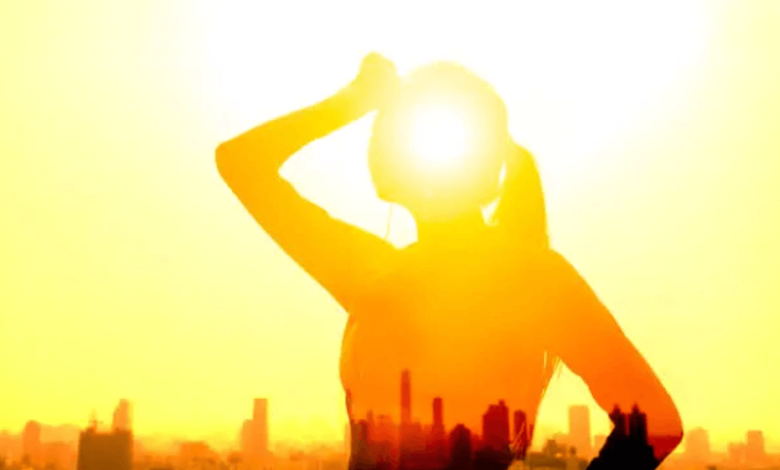
By late morning, the air feels thick and restless. Roads shine under the sun, and walls radiate heat. Across India, extreme heat waves are no longer rare—they arrive earlier and stay longer.
Reports from national weather agencies show that Delhi, Mumbai, Chennai, and other cities face rising temperatures that test health, work, and comfort.
Table: Cities Facing Highest Heatwave Risk in India
| Rank | City | Key Heat Factors | Projected Rise by 2030 | Most Affected Group |
| 1 | New Delhi | Concrete sprawl, trapped air | #ERROR! | Daily workers |
| 2 | Mumbai | Humid air, poor ventilation | #ERROR! | Coastal residents |
| 3 | Chennai | Sticky wind, dense traffic | #ERROR! | Commuters |
| 4 | Kolkata | Tight housing, little airflow | #ERROR! | Elderly |
| 5 | Ahmedabad | Dry winds, open spaces | #ERROR! | Construction staff |
| 6 | Hyderabad | Expanding city limits | #ERROR! | Laborers |
| 7 | Bengaluru | Lost greenery, vehicle heat | #ERROR! | Office workers |
| 8 | Jaipur | Dry air, dusty roads | #ERROR! | Vendors |
| 9 | Bhopal | Still air, lake humidity | #ERROR! | Locals |
| 10 | Thiruvananthapuram | Humid coast, weak breeze | #ERROR! | Fishermen |
Top 10 Indian Cities Most Vulnerable To Extreme Heat Waves
The change isn’t just visible—it’s felt in every street. Tea vendors move their stalls under trees. Auto drivers carry wet cloths for their necks. Even birds hide in the shade. Across India, summers now arrive with a weight that slows everything.
1. New Delhi
The city feels baked by noon. Air shimmers over rooftops. Workers pour water on pavements just to cool their hands.
2. Mumbai
Humidity sticks to skin. Nights stay warm, and sweat never dries. The sea wind feels heavy instead of fresh.
3. Chennai
Motorbikes burn to touch. Air smells faintly of salt and petrol. Commuters pull scarves tighter against the heat.
4. Kolkata
Heat seeps through the day. Power cuts make fans useless. Streets fall quiet until sunset.
5. Ahmedabad
Dry air stings the eyes. Shade gives little comfort. People rest on steps, waiting for evening wind.
6. Hyderabad
Tall buildings block air flow. Concrete holds the day’s warmth till night. Streets empty faster than they used to.
7. Bengaluru
Once mild, now muggy. Lakes turned to parking lots. Mornings begin warm, and nights rarely cool.
8. Jaipur
The air smells of dust and sunburned stone. Walls glow till dawn. Locals now sleep on terraces for air.
9. Bhopal
The lakes shimmer but don’t cool. By afternoon, air feels still and heavy. Markets open late to avoid the worst hours.
10. Thiruvananthapuram
Moist air clings to everything. Fishermen start early and return before noon. Even coastal winds bring more steam than relief.
Health and Economic Impact of Rising Heat Waves
Hospitals see more patients with dizziness and heatstroke. Daily laborers lose wages when outdoor work stops mid-day. Families spend more on cooling and power. Long power cuts make nights sleepless. Across cities, the heat reshapes daily life—quietly, but steadily.
Expert Insights and Projections for 2030
Data shows Delhi, Ahmedabad, and Jaipur will see longer, harsher summers. Mumbai and Chennai may not hit the highest temperatures, but their humidity makes survival tougher. Nights that stay above 30°C will strain both health and infrastructure. The problem isn’t just heat—it’s how cities trap and hold it.
Way Forward: Urban Cooling and Climate Resilience
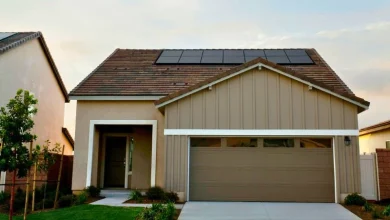
Small actions can help. More trees along roads, rooftop gardens, open ponds, and shaded bus stops. Some neighborhoods already coat rooftops with white paint to reflect sunlight. Restoring lakes and planting native trees can bring slow, lasting relief. Cooling has to be designed into cities, not added after damage is done.
FAQs
1. Which city faces the strongest heat waves in India?
New Delhi faces the harshest and longest heatwave stretches each year.
2. Why do urban areas heat faster than rural ones?
Concrete, traffic, and fewer trees trap warmth and block air movement.
3. What are common health risks from extreme heat?
Dehydration, heat exhaustion, and fainting are common during long hot spells.
4. Are coastal cities like Mumbai and Chennai safer?
No. Humidity increases body stress and makes cooling harder.
5. What can cities do to lower heat?
Planting trees, reflective roofs, and shaded walkways reduce surface heat.