
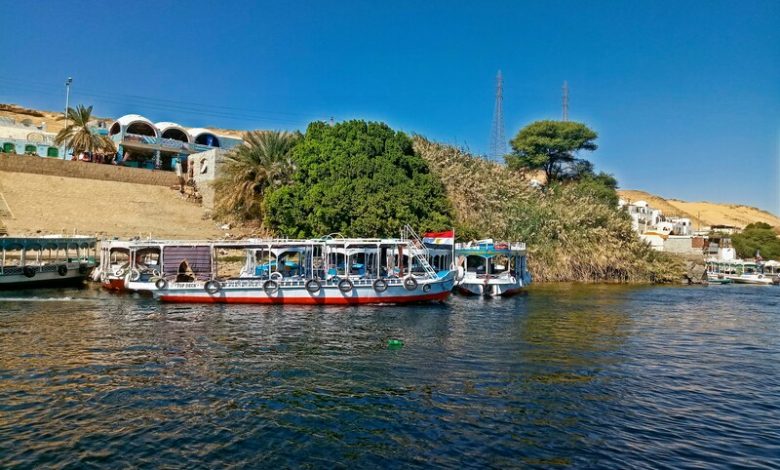
At dawn on the Rupsa, engines start before the city wakes. Nets are hauled in, ferries honk, and tea stalls rattle their kettles near the water. Khulna boat tours now pull in visitors who want more than a quick stop on the way to the Sundarbans.
The attraction is as much about Khulna river life as it is about the mangrove forest itself. Families live with the tides, traders sell fish straight off wooden boats, and launches still cross to villages that have no road access. The rhythm is tidal. Miss it, and the city feels incomplete.
For those seeking sustainable adventures, ECO news often spotlights the conservation initiatives protecting the Sundarbans’ biodiversity amid climate challenges. Boat tours provide an intimate glimpse into this ecosystem, gliding through narrow waterways to spot Bengal tigers, spotted deer, and exotic birds. These guided excursions not only educate on environmental stewardship but also support local economies, making them a must for eco-conscious travelers exploring Khulna’s natural wonders.
Exploring the Rivers of Khulna
Khulna is inseparable from its rivers. The waterways shape work, travel, and even meals on the table. Rice, fish, timber, fruit — all still move by boat. Watching the traffic is like watching a living timetable that runs on water instead of asphalt.
Main rivers define that pattern:
- Rupsa River: Crowded, noisy, lined with ferries and fishing boats, smoke rising from chimneys of trawlers tied to its banks.
- Bhairab River: Wide, restless, carrying heavy cargo traffic and clusters of fishing launches.
- Kapotaksha River: Narrower, quieter, passing villages where fields meet the tide.
- Gorai River: A crucial lifeline in the dry season, bringing fresh water down to resist salt creeping inland.
At the ghats, life plays out in sound and smell: the call of boatmen, dried fish stacked on bamboo mats, and the diesel sting of engines cutting through muddy air. It is not polished tourism, but it is what defines Khulna waterways.
Popular Boat Tours from Khulna
Tour options range from single-day outings to longer cruises. Some are barebones, others run like floating hotels. Each gives a different view of Khulna rivers and the Sundarbans.
Day Cruises to the Sundarbans
Day tours leave early, often around sunrise. Boats sail toward Karamjal or Harbaria, just inside the forest edge. Visitors step off for a short trail walk, catch sight of deer feeding near clearings, or spot monkeys perched above. Sometimes a crocodile slips under with barely a ripple.
The most striking moments come between stops: children waving from bamboo piers, women filling pitchers at the bank, fishermen shaking out nets that stretch halfway across the channel. The trip runs back by evening, leaving enough time to catch the smell of fried hilsa at the market near Rupsa ghat.
Multi-Day River Cruises
Multi-day cruises are slower, designed for travelers with time to spare. Boats carry cabins with bunks, open decks for watching the tide, and kitchens that smell of rice and fresh fish. Common stops include Kotka beach and Kochikhali forest, where wildlife sightings stretch into long, quiet hours. Nights are spent on still water, listening to insects and the splash of small fish under the hull.
Mornings feel strange, mist hanging low, the forest breathing out a kind of silence broken only by the engine’s restart. These cruises sell comfort, but what people remember is the atmosphere: fog on the river, stars over the mangroves, the sense of being cut off from land.
Small Houseboat Adventures
Houseboats serve travelers who want closeness instead of size. With only a handful of guests, these boats slip into smaller creeks. Meals are simple but fresh, cooked by a small crew.
Photographers prefer this option because the boat floats low, nearly at eye level with mangrove roots. Kingfishers, herons, mudskippers — all within reach of a lens. It is not luxury, but the intimacy with forest and water makes up for it. Travelers often say they remember the smell of wet wood and the sight of roots twisting like sculptures more than any lodge bed.
Travel Tips for Visitors
Timing matters. November to March is the safest bet for tours, when waters run steady and weather stays manageable. Monsoon months can drown routes and cancel trips without warning.
Permits are needed for the Sundarbans. Tour operators usually secure them, along with forest guards who travel on board. It is wise to confirm these in advance.
Choice of vessel changes the experience. Budget boats are crowded but authentic, showing travel as locals know it. Larger cruise ships add comfort but sit removed from the raw current of Khulna rivers. Houseboats balance intimacy with privacy, though cost runs higher.
Packing should be light. Binoculars, mosquito spray, cotton clothes, and waterproof covers for cameras are essentials. Life jackets are non-negotiable. Even seasoned travelers admit smaller boats can feel risky without them.
Voices from the River
River life in Khulna is more than a postcard backdrop. For the people who live it, the river is both hope and headache. Boatmen complain about diesel prices cutting into profit. Fishermen talk about smaller catches and longer nights chasing them. Farmers curse salt creeping into fields where rice once grew easily.
One guide joked that the Bhairab is a “moving market,” boats trading fish, fruit, and wood without touching shore. Another smiled while pointing at kids leaping off jetties near Rupsa, saying, “That’s their swimming pool.”
Khulna boat tours show visitors the surface — the mangroves, the dolphins, the endless horizon of green and mud. But Khulna river life carries weight unseen in short visits. Every tide decides meals, income, and sometimes survival. Watching from a deck is one thing. Living it daily is another.