
Can EV Battery Recycling Standards Cut Toxic Waste? New Rules Proposed
As policymakers ask, Can EV Battery Recycling Standards Cut Toxic Waste? New Rules Proposed outline stricter protocols, cleaner recovery methods, and safer industry benchmarks.

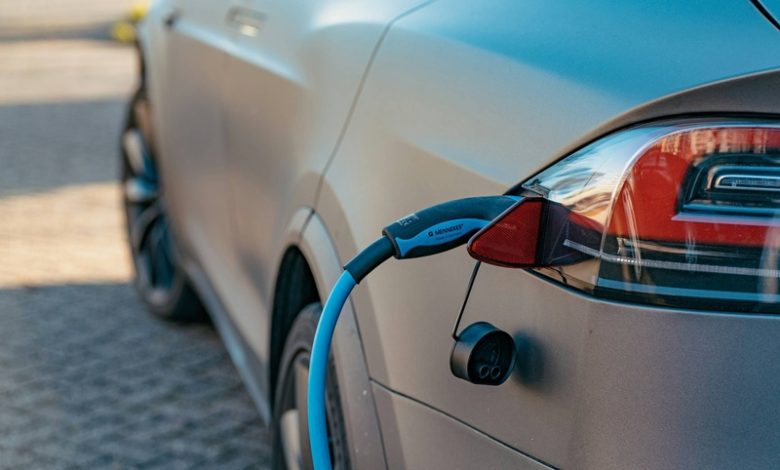
EVs are scaling fast, but the mess they leave behind is getting louder: damaged lithium-ion packs can leak metals, trigger fires, and slip into informal scrap chains. Regulators are now shifting from “please recycle” to enforceable standards that track a battery from factory to second life to recycler.
The big idea is simple: if every pack has a verified path, toxic waste drops and critical minerals stay in circulation. In the U.S., the EPA warns that end-of-life lithium-ion batteries can start fires when they end up in household garbage or mixed recycling, putting workers and nearby communities at risk.
What The New Standards Are Trying To Fix
China is moving first with interim measures that kick in on April 1, 2026, pushing full-lifecycle traceability, tighter rules for dismantling, and clearer producer responsibility for retired EV batteries. That matters because traceability is what stops “mystery packs” from being dumped, burned, or stripped unsafely.
Traceability, Minimum Recovery, And “No Battery Left Behind”
The policy trend is converging globally: digital IDs (or product passports), licensed recyclers, and performance metrics like recovery efficiency and contamination controls. Europe’s Battery Regulation also pushes recycled-content targets and carbon-footprint disclosures, which makes “clean” recycling economically valuable, not just compliant.
Why This Could Actually Cut Toxic Waste
Standards work when they close loopholes: mandatory take-back points, bans on landfill and incineration, and audited reporting that makes illegal disposal expensive. India’s EPR-style battery rules and amendments point in the same direction, while the U.S. EPA has signalled new rulemaking to improve lithium-battery end-of-life management.