
Pressure Builds Across EU Over 2035 Petrol and Diesel Car Ban
EU Faces Pressure to Reconsider 2035 Petrol and Diesel Car Ban following resistance from countries, automakers, and drivers worried about transition pace.

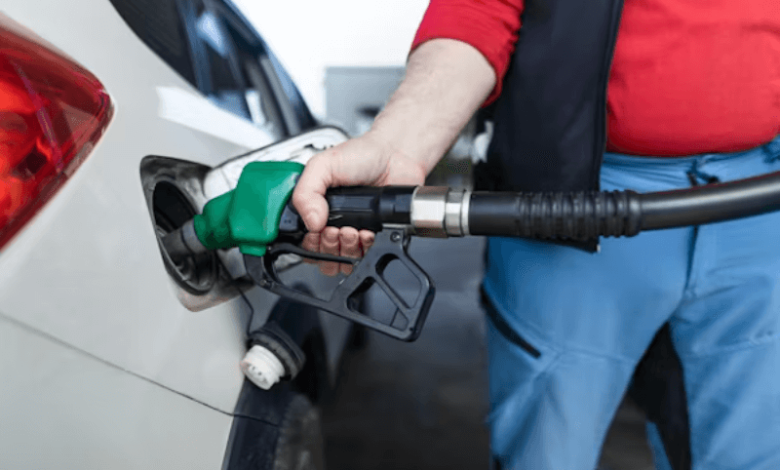
Brussels woke up to the usual winter chill, wet pavement, and that faint traffic-smell near the EU quarter. The headline stays the same: EU faces pressure to reconsider 2035 petrol and diesel car ban. Lobbying has intensified, politics has shifted, and industry nerves are visible. The 2035 petrol and diesel car ban now sits at the centre of a loud, uncomfortable argument.
What Is the EU’s 2035 Petrol and Diesel Car Ban?
The policy targets new passenger cars and vans sold inside the European Union. It aims to end sales of new vehicles that emit CO₂ at the tailpipe by 2035. In plain terms, new petrol and diesel cars get pushed out, and zero-emission models take over. The rule works through CO₂ targets set at EU level, enforced via fleet averages, not one-off checks on each buyer.
Why Is the EU Facing Pressure to Reconsider the 2035 Car Ban?
Pressure has come in waves. Some leaders say the timeline looks neat on paper but messy on factory floors. EV demand has not moved at the speed many expected, and price gaps still irritate middle-income buyers. Charging rollouts look uneven, too. And then there is the uncomfortable part: global competition. European groups worry about losing share to cheaper imports, plus the political heat that follows job cuts.
Which EU Countries Are Opposing the Petrol and Diesel Ban?
Opposition has not stayed limited to one corner. Several governments have argued that a single pathway, only battery electric, feels risky. They want room for other technologies, and they want it written clearly. The concerns usually sound similar:
- local manufacturing jobs tied to engines and components
- buyer affordability, especially outside large cities
- energy security, since charging depends on grids that still vary widely
Some capitals talk openly about revisiting the rule during scheduled reviews, instead of waiting till the deadline is close.
How Automakers Are Influencing the 2035 Ban Debate
Automakers are not shy. Executives, supplier groups, and trade bodies have pushed hard in Brussels and national capitals. They speak about supply chains, dealership strain, and resale values. A senior engineer at a supplier once described it as “trying to swap the heart of a patient while the patient is running”. Dramatic line, but the anxiety is real. Companies also point to plant conversion costs and the simple problem of training workers fast enough.
What Changes to the 2035 Car Ban Are Being Considered?
Policy discussions tend to circle a few options. None look painless.
| Possible change | What it means in practice | Likely supporters | Common criticism |
| Keep 2035 as-is | Zero tailpipe CO₂ target stays | climate-focused groups, EV-first brands | industry disruption risk |
| Add more flexibility | More room for e-fuels or similar routes | tech-neutral camps, some states | enforcement becomes tricky |
| Shift the timeline | Deadline moves later | unions in engine-heavy regions | weakens policy certainty |
| Adjust interim targets | Slower ramp before 2035 | mixed coalition | reduces near-term momentum |
A lot depends on politics. That is the part nobody likes admitting. It decides speed, wording, and loopholes.
Impact of Reconsidering the Ban on Europe’s Auto Industry
A rethink could calm some factories in the short run. It could also create confusion, which is its own headache. Suppliers need long lead times. Battery plants, software teams, charging partners, everyone sets budgets on regulation signals. If those signals wobble, investment decisions wobble too. And once plants pause hiring, local economies feel it quickly. The industry already runs on tight margins, so policy uncertainty lands like a stone.
What the 2035 Petrol and Diesel Ban Means for Car Buyers
Car buyers mostly ask practical questions: price, service, resale, range. If the ban stays firm, more EV models arrive, but affordability remains the daily struggle. If rules soften, petrol and diesel options may stick around longer, but that can also keep fuel costs and maintenance routines in the picture. A small, real-world example shows the tension: a commuter in a smaller town may have one slow public charger near a market, and that is it. Convenience becomes the whole story.
Environmental Implications of Delaying or Softening the Ban
Transport emissions sit high on the EU’s climate agenda, and car rules matter because cars are everywhere. Delays can slow fleet turnover, meaning older vehicles stay longer. That affects air quality in busy corridors, the places that already smell of exhaust at peak hours. On the other hand, supporters of flexibility argue that cleaner fuels and efficient hybrids can still cut emissions while infrastructure catches up. The fight is not only climate versus cars. It is pace versus readiness.
How the EU’s Decision Could Influence Global Car Policies
Other governments watch Brussels closely, even if they pretend not to. A firm EU stance can push global manufacturers to prioritise EV lines. A softened stance can encourage other regions to slow their own deadlines. Trade also sits behind the scenes. If Europe tightens rules and imports stay cheaper, political pressure rises. If Europe loosens rules and falls behind on EV scale, different pressure rises. Either way, the ripple travels.
Timeline of Events Leading to the 2035 Ban Reconsideration
The policy track has followed a predictable EU pattern. Proposal, negotiation, final law, then review pressure. The 2035 target gained formal shape in the early 2020s and was agreed under the wider climate package direction. After that came implementation questions, plus the e-fuels debate, and then market reality hit hard: slower demand in some markets, cost concerns, and louder national politics. By late 2025, talk about “adjustments” started sounding less like theory and more like a working file.
FAQs on the EU 2035 Petrol and Diesel Car Ban
1) Does the 2035 petrol and diesel car ban affect used cars already on the road?
No, the rule targets new sales; existing vehicles can still be used, sold, and maintained normally.
2) Will hybrids stay legal after 2035 under the current plan?
Under a strict zero tailpipe CO₂ target, most hybrids would not qualify as new sales after 2035.
3) Can the EU change the 2035 target without rewriting the full law?
Changes usually need formal EU processes, including Commission proposals and approval via EU institutions and states.
4) Why do some countries ask for technology-neutral rules instead of only EVs?
They argue that multiple routes, including cleaner fuels, reduce risk and protect jobs tied to engine supply chains.
5) What is the biggest worry for ordinary buyers watching this debate?
Uncertainty. People delay purchases when rules look unstable, and resale values become harder to predict.