

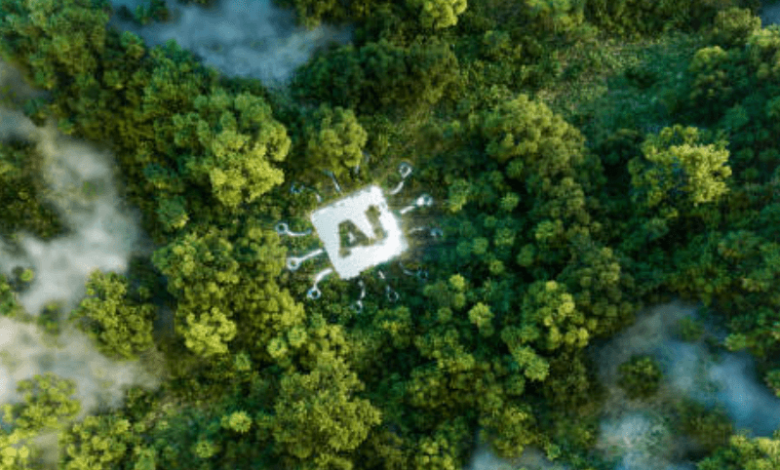
One of the biggest promoters of modern technology, artificial intelligence is taking industries across the globe by storm and significantly enhancing human life. But its impact on nature should also be highlighted.
The deployment and operation of artificial intelligence systems carry a notable detrimental impact on nature, especially due to their enormous energy consumption, electronic refuse and resource exploitation. These things need to be taken into consideration.
Energy consumption from artificial intelligence operations
One major concern is energy consumption. Training large artificial intelligence models requires a lot of computational drama – demanding huge amounts of electricity, often generated from fossil fuels.
This leads to increased carbon emissions, significantly contributing to global heating and climate change. It is not incorrect to emphasize here that the climate crisis is one of the biggest problems human beings across the globe are facing in this generation.
For instance, the energy required to train modern artificial intelligence models can equal the lifetime emissions of numerous cars, adding a lot of pressure on nature. The second important issue to be focused on is electronic refuge.
Read Also: Lightning Kills 320 Million Trees Yearly, Disrupting Global Climate
Resource extraction and exploitation need to be focused on
Furthermore, resource extraction for artificial intelligence infrastructure damages natural habitats. Mining for rare earth metals leads to deforestation, soil degradation and more problems. Such practices also displace countless species.
Last but not least, artificial intelligence-influenced industrial automation can accelerate resource exploitation. Such automated systems can increase the rate of logging, fishing and mining, leading to considerable ecological imbalance.