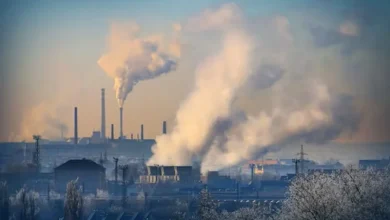
Changing Alliances: How the Energy Transition Is Redrawing World Power
See How the Energy Transition Is Redrawing World Power through shifting alliances, clean energy supply chains, and the rise of new global players in every region.

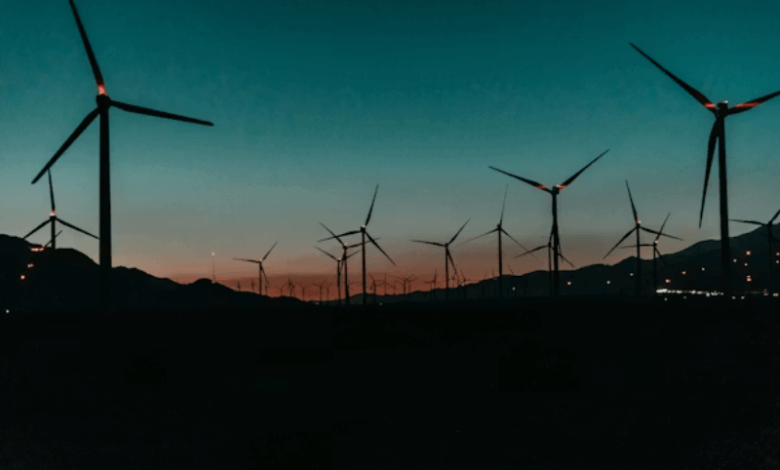
The energy transition is redrawing world power in real time. Oil and gas once set the tone for alliances and pressure tactics, now renewable energy geopolitics, clean energy minerals, and the energy security transition are changing who holds leverage. Governments are watching battery supply, grid tech, and shipping routes with the same intensity once reserved for crude.
It is a global power shift, and the future of world power looks less tied to wells and more tied to factories, ports, patents, and mines. Feels unsettled, on some days.
Why the Energy Transition Matters for Global Power Structures
Energy shaped global order for decades because fuel moved through chokepoints and pipelines controlled by a few. The energy transition spreads supply across sunlight, wind corridors, hydro, nuclear, and storage, yet it also creates new pinch points. Not tidy.
Political influence now depends on who can build fast, finance long projects, and protect supply chains during shocks. And the public mood matters too, because energy prices still hit households first.
From Oil Dominance to Clean Energy Supremacy
Oil dominance worked because demand stayed high and supply stayed concentrated. Clean energy works differently. Generation can sit close to demand, but equipment often sits inside a few supply chains. That shift changes bargaining power. Not comfortable for old exporters.
Some oil states are adapting with solar, green hydrogen plans, and industrial parks. Others are leaning harder on short-term fossil revenue. Two tracks running side by side, and it shows.
The Rise of Clean-Energy Superpowers
Clean-energy superpowers are emerging through manufacturing scale, project execution, and access to capital. China leads many clean-tech supply lines, while the US and Europe push industrial policy, domestic capacity, and standards. Competition is loud.
A few signals keep showing up in briefings:
- Large battery capacity and affordable storage supply
- Strong grid upgrade programmes
- Stable finance and fast permitting
And yes, politics still interrupts plans. Often.
Critical Minerals as the New Strategic Assets
Critical minerals are the new strategic assets because batteries and motors need them, full stop. Lithium, nickel, cobalt, graphite, and rare earths have moved into national security talk. Not an exaggeration.
Processing is as important as mining. A country can sit on reserves and still depend on external refining and chemicals. That gap makes governments uneasy, and it pushes new deals in Africa, Latin America, and parts of Asia.
Technology Replacing Oil as the New Source of Global Influence
Technology is replacing oil as the new source of global influence through patents, software control, and industrial know-how. Grid management tools, power electronics, battery chemistries, and advanced manufacturing set the pace now. Feels like a trade war topic, because it is.
Control also shows up in standards. Charging formats, grid codes, and safety rules quietly decide who sells at scale. It is less dramatic than oil diplomacy, but it bites harder over time.
New Alliances Formed by the Energy Transition
New alliances are forming around shared supply chains, finance, and infrastructure. Green hydrogen corridors, cross-border interconnectors, and long-term offtake contracts are changing diplomatic calendars. Not romantic, just practical.
Expect tighter ties among:
- Mineral producers and battery makers
- Renewable-rich nations and industrial importers
- Countries aligning on tech standards and data rules
And some old alliances look strained. That part is visible.
Energy Security in a Decarbonising World
Energy security in a decarbonising world looks different, yet the fear is similar. Instead of tanker routes alone, the focus includes grid resilience, cyber risks, storage reserves, and transformer shortages. Small parts can stop big systems.
Governments are building redundancy, holding strategic stockpiles of key components, and tightening rules on foreign ownership in sensitive assets. It reads like defence policy at times. Because it is.
Economic Winners and Losers in the Global Shift
The economic picture is uneven. Some countries gain manufacturing jobs, investment, and export growth. Others face revenue stress as fossil demand plateaus or slows. Not fair, not equal.
| Economy Type | Near-Term Impact | Pressure Point | Typical Response |
| Oil-export dependent | Revenue volatility | Budget gaps | Diversification plans |
| Clean-tech manufacturing hub | Investment inflows | Trade barriers | Local capacity build |
| Mineral-rich producer | New deal leverage | Processing control | Refining partnerships |
| High-import energy economy | Lower import bill later | Grid upgrade costs | Efficiency and storage |
| Emerging electrification market | Growth opportunity | Finance gap | Multilateral funding |
Some transitions look fast on paper, slow on the street. True.
Challenges That Could Slow the Global Energy Transition
Challenges are not minor. Permitting delays stall wind and transmission. Grid upgrades cost a lot and take time. Mineral supply can tighten quickly. And interest rates change the math for projects. That is the boring truth.
A few risks keep repeating in policy notes:
- Local opposition to land use and transmission lines
- Delays in mining and refining capacity
- Trade restrictions and subsidy disputes
- Skills shortages in power, welding, and electrical work
And climate events can damage infrastructure too. That part stings.
The Future Global Power Map in a Post-Fossil World
The future global power map looks more distributed in energy supply, but more concentrated in technology and processing. Countries that control batteries, grid hardware, and refining chains hold serious leverage. It is a new kind of dependency.
Expect a hybrid period where oil still matters for transport, shipping, and petrochemicals, while renewables dominate new power capacity. No clean break. Just a long reshuffle, and some tension.
FAQs
1) Why does the energy transition change geopolitics even when oil demand stays high in the short term?
Because investment, supply chains, and technology control are shifting now, and diplomacy follows capital and manufacturing strength.
2) Which matters more for national power, minerals or manufacturing capacity in clean energy?
Both matter, but manufacturing and processing often decide pricing power and long-term dependency, especially in batteries.
3) How can mineral-rich countries avoid staying only raw material suppliers in this shift?
They can negotiate refining, local jobs, training, and downstream industry, plus stable rules that attract serious investors.
4) Why is grid technology becoming a security issue similar to defence infrastructure?
Grids depend on software, transformers, and control systems that can fail or face cyber threats during geopolitical tensions.
5) What does the energy transition mean for India’s position in global power competition?
It pushes India to secure minerals, expand domestic manufacturing, upgrade grids, and manage energy prices for citizens.