Top 10 Most Endangered Species in the World
Explore the top 10 most endangered species on Earth, their threats, and conservation efforts. Learn how you can help protect these irreplaceable animals from extinction.

Biodiversity keeps life on Earth running, plain and simple. But right now, it’s hanging by a thread. People are tearing up habitats, polluting the planet, poaching, and changing the climate—pushing all kinds of species right to the edge. Saving endangered animals isn’t just about the animals themselves; it’s about keeping entire ecosystems, food webs, and the planet’s health intact.
The International Union for Conservation of Nature (IUCN) says more than 37,400 species are threatened. That’s not just a number—many of these species are dangerously close to vanishing for good. Let’s take a look at ten of the most endangered animals on the planet, what makes them unique, what’s putting them in danger, and what people are doing to help.
1. Amur Leopard
This big cat lives in the Russian Far East and northeastern China. Only about 150 are left. They’re losing their homes, getting hunted, and struggling to find food. Conservation teams run anti-poaching patrols, restore habitats, and set up wildlife corridors. Amur leopards are famous for their beautiful coats and agility, but with so few left, they’re extremely vulnerable to disease and environmental changes.
2. Vaquita
Vaquitas swim in the northern Gulf of California, Mexico, and—brace yourself—fewer than 20 survive. They get tangled in illegal fishing nets, which is wiping them out fast. People have tried fishing bans, monitoring, and raising public awareness, but time is running out. Every single vaquita counts.
3. Javan Rhino
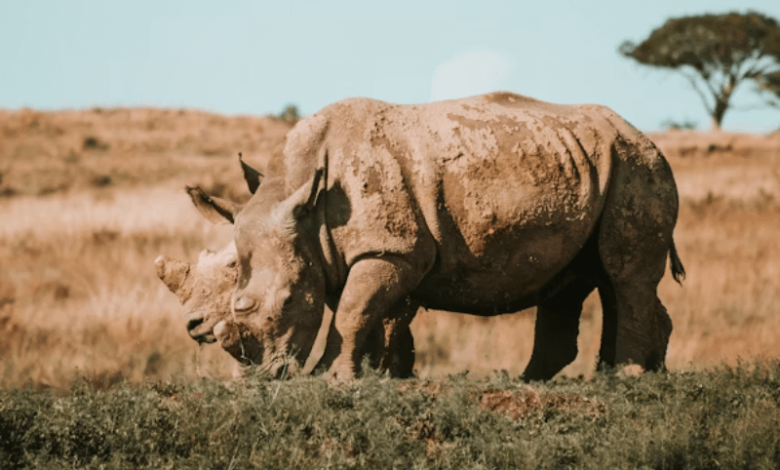
Only about 80 remain, tucked away in Indonesia’s Ujung Kulon National Park. They’re losing habitat and still being targeted by poachers. Strict reserves and anti-poaching patrols are in place. Javan rhinos are shy, solitary, and one of the rarest big mammals. Protecting them keeps tropical forests healthier.
4. Hawksbill Turtle
You’ll find these turtles on coral reefs in the Atlantic, Pacific, and Indian Oceans. Their numbers keep dropping thanks to illegal shell trade, loss of nesting beaches, and climate change. There are international bans on shell trade, marine reserves, and nesting protections. Hawksbill turtles keep coral reefs in check by eating sponges that would otherwise smother the corals.
5. Sumatran Orangutan
These clever, social apes live in Sumatra, Indonesia. Around 14,000 hang on, but logging, palm oil plantations, and pet trafficking threaten them. Forest protection, wildlife corridors, and rescue centres are helping. Orangutans spread seeds and keep forests alive and diverse.
6. Yangtze Giant Softshell Turtle
China and Vietnam’s rivers are home to this massive turtle—but fewer than four remain in the wild. Habitat destruction, hunting, and pollution are to blame. Conservationists work on captive breeding, protect the last habitats, and crack down on poaching. The Yangtze giant softshell is the biggest freshwater turtle and a key player in wetland ecosystems.
7. Snow Leopard
About 4,000 to 6,500 snow leopards roam the mountains of Central and South Asia. Poachers want their fur, their prey is disappearing, and climate change is squeezing their habitat. Community conservation, anti-poaching work, and wildlife corridors all help. Snow leopards keep mountain ecosystems balanced as top predators.
8. Pangolin
Scaly, odd, and deeply misunderstood, pangolins live in Africa and Asia. Their numbers are plummeting because people hunt them for scales and meat. Laws, anti-trafficking operations, and breeding projects try to keep them safe. Pangolins eat tons of insects, helping control pests naturally.
9. African Grey Parrot
These birds, known for their smarts and ability to mimic speech, live in West and Central African rainforests. Their numbers are dropping fast, mainly due to the pet trade and habitat loss. Conservationists push for tighter trade rules to preserve forest habitats. African greys are a sign of a healthy forest.
10. Blue Whale
Blue whales swim in every ocean, but only about 10,000 to 25,000 remain. Ship strikes, climate change, and noise pollution all threaten them. Marine protection zones, new shipping rules, and global awareness campaigns offer hope. Blue whales are the largest animals ever and play a huge role in ocean health.
Why It Matters to Save Endangered Species
Protecting these animals means more than keeping them around for future generations. It keeps ecosystems and biodiversity strong, supports scientific discovery and culture, helps regulate climate, and even brings sustainable income to communities through things like eco-tourism. Little things—like backing wildlife charities or cutting back on products that destroy habitats—really do make a difference.