Drinking Water Contamination Fears in Durham: Chemical Plant Violations Raise Alarm
Discover how recent chemical plant violations threaten Durham water contamination. Learn the impact on drinking water safety and community responses.

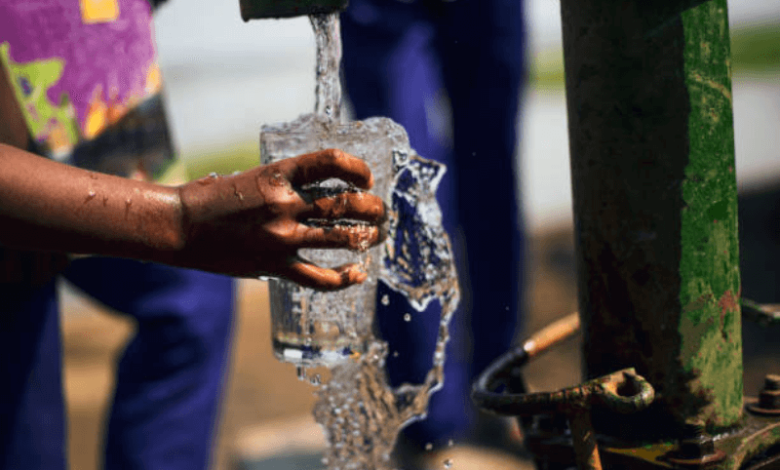
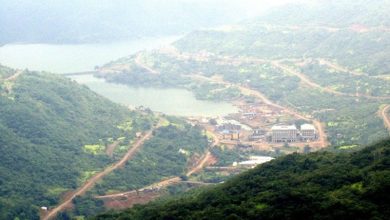
Recent environmental reports have sparked serious concerns over Durham water contamination, tracing back to severe industrial negligence. East Durham has witnessed the establishment of huge chemical repackaging plant which has been under heavy scrutiny following the detection of harmful pollutants flowing into the local waterways by state inspectors. With hazardous runoff flowing into a creek that ultimately feeds Jordan Lake—a critical reservoir—local communities are demanding immediate intervention to ensure their drinking water safety.
The Core of the Durham Water Contamination Crisis
The alarm focus is on Brenntag Mid-South, which is a chemical distribution facility around the world. Over the last few years, the facility has amassed multiple chemical plant violations due to poor facility management, including rusted, dented, and leaking chemical drums. The North Carolina Department of Environmental Quality (NC DEQ) claims that due to these harsh negligence, the runoff of toxic, discolored color leaks into ground water and surface streams without sufficient filtration.
Impact on Drinking Water Safety
The Burton Creek, running through a local elementary school only a third of a mile, has been found to contain alarming numbers of volatile organic compounds (VOCs) by local advocacy organizations such as the Haw River Assembly. Some of the contaminants found are acetone, 1, 4- dioxane and methylene chlorine- a carcinogen. Because this creek flows into Third Fork Creek and eventually into Jordan Lake, which provides drinking water for over a million residents across the region, maintaining strict drinking water safety protocols has never been more urgent.
Addressing Chemical Plant Violations and Community Health
Despite continuous citations from city and state agencies, the ongoing chemical plant violations highlight a frustrating regulatory gap. The efforts to contain runoffs have collapsed severally and the City of Durham has severely limited the water discharge of the plant. Due to long-term contact with such chemicals, environmental justice activists point out that the outcome of exposure may be serious health problems. According to the environmental tracking by Inside Climate News and the Society of Environmental Journalists, the most effective remedy to ensure the health of people and restore ecological quality within the impacted communities is strict remediation of the industrial polluters on the basis of timeframes.
FAQs
1. What is the main cause of the Durham water contamination fears?
Concerns stem from leaking toxic chemicals, including methylene chloride and 1,4-dioxane, originating from a chemical distribution facility in East Durham.
2. How do these chemical plant violations affect the community?
The ongoing violations have led to hazardous runoff entering local streams like Burton Creek. This runoff eventually reaches Jordan Lake, threatening the broader region’s ecosystem.
3. Is the local drinking water safety currently compromised?
While drinking water treated by municipal plants currently remains monitored and safe for consumption, the continuous pollution of source waters like Jordan Lake heavily strains water treatment infrastructure and raises long-term public health alarms.
4. What actions are being taken against the facility?
The North Carolina Department of Environmental Quality and the City of Durham have issued multiple notices of violation, restricted site discharge, and demanded comprehensive groundwater remediation to stop the leaks.