
Study Explores Direct Air Capture Synergy With Hydrogen Fuel System
New Tech Study Explores Direct Air Capture Integrated With Hydrogen Fuel Production, assessing the technical steps that allow carbon removal and fuel synthesis to work side by side.

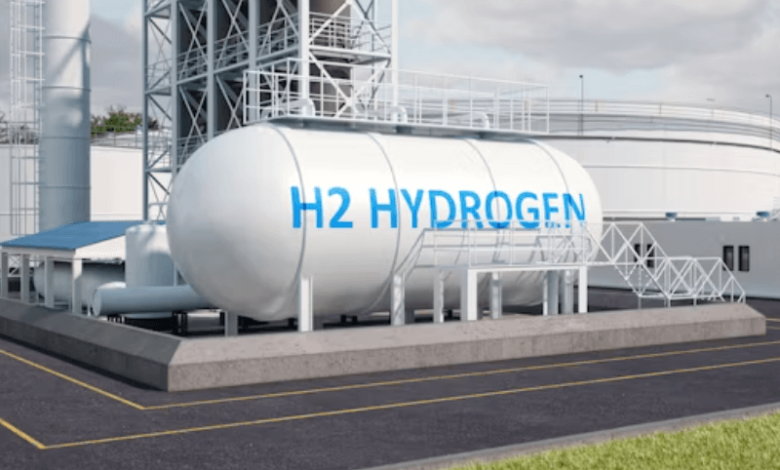
The study lands at an awkward moment for climate tech. Big promises exist, but projects still face cost pressure and slow permitting. So the researchers focus on a practical question: can direct air capture (DAC) operate alongside hydrogen systems without turning the energy bill into a nightmare. They map integration options, look at heat flows, electricity demand, and the knock-on effects on emissions. It reads like the kind of work that engineers quietly respect.
What Is Direct Air Capture (DAC)?
Direct air capture pulls carbon dioxide out of ambient air using chemicals that grab CO₂, then release it later during regeneration. Air has a low CO₂ concentration, so moving enough air matters. That means big fans, ducts, contactors, and steady maintenance. Anyone who has stood near industrial blowers knows the sound. A constant roar.
Two main DAC families usually get discussed. Liquid solvent systems circulate an alkaline solution. Solid sorbent systems use materials that adsorb CO₂ on surfaces. Both can work. Both also ask a tough thing: heat and power, reliably, day after day. And that is where pairing DAC with hydrogen facilities becomes interesting.
Understanding Hydrogen Fuel Production in 2025 and Beyond
Hydrogen fuel production sits in a split reality. On one side, conventional hydrogen still dominates many markets, tied to fossil feedstocks. On the other, green hydrogen aims to use renewable electricity to split water via electrolysis. Green projects look neat on slides. On site, operations look less neat. Grid constraints, electrolyser utilisation, water handling, compressor maintenance, and storage all add friction.
Industry also wants molecules that move easily, not only hydrogen gas. That pushes attention toward hydrogen derivatives and synthetic fuels. For that, a clean CO₂ stream becomes a key input. Capturing CO₂ directly out of air keeps carbon accounting cleaner, at least on paper. The hard part is doing it with sensible energy use.
Study Overview: Integrating DAC With Hydrogen Fuel Systems
The study tests integration strategies rather than treating DAC as a separate box. It examines how DAC can tap shared infrastructure: heat recovery loops, compression systems, utilities, and control logic. The simplest concept is co-location. Put DAC near hydrogen production and let the site share power and services.
Then there is thermal integration. Many hydrogen and fuel-synthesis setups reject heat at usable temperatures. DAC regeneration needs heat. Linking those two needs can reduce wasted energy. Another pathway looks at flexible operation, letting DAC run harder during lower electricity price windows, while keeping hydrogen production steady. The details matter, because one wrong assumption can sink the economy. Engineers know that feeling. It is irritating.
Key Findings From the New Tech Study
The study’s main message is plain: integration can reduce the penalty DAC usually brings, but only when heat and operations are planned carefully. Waste heat is the quiet hero here. If DAC regeneration pulls heat that would otherwise be dumped, the total system load looks more reasonable.
The study also points out a common trap: building DAC as an add-on without redesigning site utilities. That leads to duplicated compressors, mismatched heat exchangers, and unstable performance under variable power conditions. The work argues for integrated design early, not late.
A short snapshot helps show what the study is talking about:
| Integration choice | What it changes on site |
| Using recovered low-grade heat for DAC regeneration | Less new boiler duty, lower utility build-out |
| Shared CO₂ compression and drying systems | Fewer duplicate units, simpler maintenance planning |
| Operating DAC flexibly during cheaper power periods | Better utilisation of renewables, lower average power cost |
| Co-locating CO₂ capture with fuel synthesis | Cleaner CO₂ logistics, fewer transport steps |
What This Means for the Future of Synthetic Fuels
Synthetic fuels need two inputs: clean hydrogen and carbon. That carbon can come via point-source capture or DAC. Point-source capture depends on the existence of an emitting plant. DAC does not. It can sit near a port, refinery cluster, or a future e-fuel hub. That location freedom is valuable in practice, because logistics dominate real projects.
The study suggests that pairing DAC with hydrogen systems could make e-methanol, e-kerosene, or other synthetic fuel routes more credible, especially at sites already planning for heat recovery and large-scale utilities. The promise is not magic. It is just good plant design, done early, with fewer shortcuts.
Market Landscape: Who Is Developing DAC + Hydrogen Technologies?
The ecosystem has three groups. First, DAC developers push modular contactor units and better sorbents. Second, electrolyser makers are trying to improve efficiency and durability. Third, project developers stitching everything together and fighting the real battle: permits, land, power contracts, grid access, water, and finance.
Large industrial players also watch this space because synthetic fuels can protect existing assets. Refineries, ports, and chemical parks already know how to handle molecules at scale. They do not enjoy disruption. They prefer adaptation. DAC-hydrogen integration fits that mindset.
Challenges Identified in the Research Study
Cost remains the obvious headache. DAC equipment is still capital heavy, and operational power draw can pinch margins. Heat integration helps, but heat quality and availability vary. A site with steady waste heat looks great. A site without it will pay more.
Then there is operational complexity. DAC wants steady conditions for best performance. Hydrogen systems may track variable electricity. Putting those together needs controls that behave well during ramps, not only during steady-state simulations. And there is CO₂ purity management. Fuel synthesis does not like surprises in the feed stream. Small impurities can become big problems.
Strategic Advantages of Integrating DAC With Hydrogen
The strategic advantage is simple to picture. A shared site reduces duplication. Shared utilities reduce build time. Shared operations teams reduce staffing jumps. And CO₂ becomes a feedstock, not a waste stream. That shift matters in boardroom conversations.
A second advantage is carbon accounting clarity for synthetic fuels. DAC paired with green hydrogen can support fuel that avoids pulling new carbon out of the ground. Regulators and buyers care about that. Procurement teams can be picky, honestly. They also should be.
Expert Opinions and Industry Reactions
Industry engineers tend to like the direction but dislike the hype. One practical view circulating in project circles is that integration is the only way DAC survives outside of subsidies, at least near term. Another view is that early pilots will teach more than any model, because real equipment never behaves perfectly.
There is also quiet skepticism. Some investors worry that stacking two expensive systems increases risk. Others argue the opposite: integration reduces risk by improving overall utilisation and revenue pathways. Both sides have a point. Project finance does not forgive optimism.
Outlook for DAC-Hydrogen Integration
This new tech study positions direct air capture integrated with hydrogen fuel production as an engineering-led path, not a slogan. Integration, heat recovery, and careful operations planning appear to soften DAC’s energy and cost burden. The route still faces real constraints: power supply, water planning, capex, and control complexity.
Yet the direction feels grounded. It looks like plant design thinking, applied properly, with fewer shortcuts. Maybe that is the only way this category scales. That’s how it looks at ground level.
FAQs
1) What makes direct air capture integrated with hydrogen fuel production different than running both systems separately?
Integration can share heat, compression, and utilities, lowering duplication and reducing operating strain on site.
2) Does DAC always need high-temperature heat to release captured CO₂ back out of the sorbent?
Many DAC systems need low-to-mid temperature heat, and recovered industrial heat can sometimes match that demand.
3) Why does hydrogen fuel production link so closely with synthetic fuels in current project planning?
Synthetic fuels need hydrogen plus a carbon source, so hydrogen projects often pair with CO₂ supply planning.
4) What practical issues can slow DAC and hydrogen integration at real facilities?
Permitting, grid connection timelines, water supply, controls tuning, and CO₂ purity management often slow deployment.
5) Can this approach support cleaner fuels for aviation and shipping without relying on emitters nearby?
DAC can operate independent of local emissions sources, which helps siting near ports, airports, and fuel hubs.