Winter Smog & PM2.5: Delhi Air Pollution Causes, Data And Key Fixes
Delhi Air Pollution (PM2.5): Winter smog causes, new data trends, health impact signs, and practical fixes residents and commuters can use to stay safer through peak months.

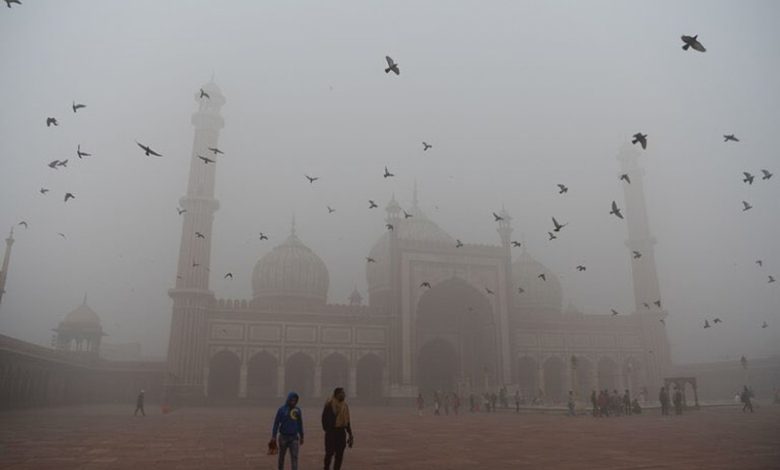
Delhi winter smog is not a one-source problem. It is a stacked event where local emissions, regional smoke, and winter weather lock pollution near ground level. In November and December 2025, Delhi repeatedly entered severe bands, with several stations above AQI 400 and later above 450, forcing tighter GRAP controls.
On 22 January 2026, officials reported AQI improvement from 378 to 330 to 322 and revoked Stage III while lower stages continued. Mid-February bulletins again showed Delhi in the Poor category, with PM2.5 and ozone as key pollutants.
Winter Smog Causes, Data, And What Is Happening Now
Winter makes PM2.5 worse for clear reasons. Cold, dense air reduces vertical mixing. Low wind speed and moisture slow dispersion. Then Delhi’s source mix does the rest: traffic exhaust, construction dust, fuel combustion, open waste burning, and crop-residue smoke transport from neighboring states.
During severe spells, schools shifted to hybrid mode and construction restrictions were expanded across NCR. One positive trend came from Punjab, where Reuters reported farmers in more than 800 villages sending crop residue to recycling chains for biogas, fertilizer, and cardboard products instead of burning.
Health Impact: Why PM2.5 Is A Serious Risk
WHO warns that fine particles can travel deep into lungs, enter the bloodstream, and affect multiple organs. Short exposure can irritate airways, worsen asthma, and reduce lung function. Long exposure is linked with stroke, heart disease, COPD, and lung cancer.
Fixes That Can Actually Work
Fixes now need year-round execution. Delhi-NCR announced expansion of monitoring with 46 additional CAAQMS, including 14 in Delhi, taking the regional network to 157 stations. Better monitoring must trigger faster enforcement: strict dust suppression, cleaner transport transitions, dependable crop-residue alternatives, and no policy breaks between seasons.
Households still need daily discipline: track AQI, use N95 masks during peaks, and plan outdoor activity by hourly readings. For live visuals, see ANI’s Delhi AQI update on X.
FAQs
1. Why does Delhi pollution peak in winter?
Because colder air traps emissions near ground, while weak winds prevent pollutants from dispersing citywide.
2. How can residents reduce personal exposure quickly?
Use N95 masks outdoors, reduce morning exercise, run air purifiers indoors, and monitor AQI updates.
3. Who faces the highest health risk from PM2.5?
Children, older adults, pregnant women, and people with asthma, COPD, or heart disease face risk.
4. Which policy actions can reduce Delhi smog most?
Better buses, clean fuels, strict dust control, and crop-residue support can reduce pollution peaks significantly.
5. Where should I check reliable Delhi pollution updates?
Check CPCB, CAQM bulletins, and trusted agency updates for station trends, AQI shifts, and advisories.