How Delhi Is Reframing Urban Environment Spending: Pollution Control, Clean Infrastructure And Legacy Waste Reduction
A major shift is underway in Delhi’s urban spending as funds move toward cleaner mobility, waste processing, and infrastructure upgrades to tackle pollution and civic stress.

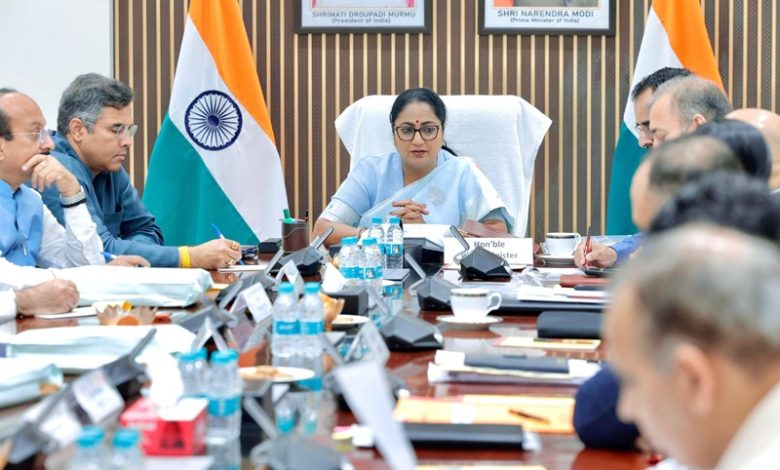
Delhi’s latest budget makes one thing clear: environment spending is no longer being treated as a side file. The 2026–27 plan folds pollution control, road upgrades, waste processing, electric mobility, river cleanup, and civic sanitation into one larger urban strategy. The government has called it a “Green Budget,” with about 21% of the total outlay tied to green initiatives, or roughly ₹22,236 crore. That shift matters because Delhi’s pressure points now overlap: dirty air, strained roads, untreated waste, and landfill overload all hit the same city systems at once.
Pollution Control Is Being Treated As Core Spending
One of the clearest signals is direct pollution funding. Reports on the budget show ₹204 crore marked for pollution control, while EV Policy 2.0 is expected to push a bigger shift in public transport, including a full electric bus fleet target by 2029. This is not just about emissions on paper. Delhi’s own Economic Survey says total vehicle stock crossed 87.61 lakh by March 19, 2026, up 7.93% from the previous year, which explains why cleaner transport is now being tied to spending decisions.
In the middle of that message, the official Chief Minister’s Office post on X also framed the budget as one built around “inclusive and sustainable development”.
Clean Infrastructure Now Sits Next To Environmental Policy
Delhi is also linking civic works to environmental repair. Budget reporting points to ₹1,000 crore for internal roads, a higher grant to the Municipal Corporation of Delhi, and new emphasis on sewer connectivity, drain treatment, and river cleaning. The Delhi Jal Board recently cleared projects including a ₹71 crore in-situ wastewater treatment plan for the Delhi Gate drain, alongside sewer expansion in outer colonies. That means “clean infrastructure” is being defined less as construction alone and more as sanitation plus service delivery.
Legacy Waste Reduction Is Turning Into A Deadline-Driven Mission
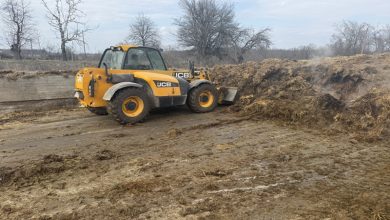
The landfill story is now about speed. Delhi’s waste processing capacity has reportedly risen to 8,500 tonnes per day, and the latest budget focus includes expanding waste-to-energy and related processing at Okhla, Tehkhand, Ghazipur, and Narela. At the same time, official reporting says legacy waste at Ghazipur, Bhalswa, and Okhla has already fallen by 16%, with city targets stretching to full clearance milestones through 2027.
Why This Part Matters More Than Before
For years, landfills were treated as background damage. Now they are being handled as visible urban failure, public health risk, and budget priority at once. Even smaller sanitation-linked facilities, like the new ingesta plant at Ghazipur slaughterhouse, are being pushed as landfill-burden reducers.
The Real Reframe Is Administrative, Not Cosmetic
What stands out is not one single scheme. It is the way Delhi is grouping air, waste, roads, drains, and mobility into the same spending frame. That is a sharper urban governance model. It also gives the government a cleaner public argument: spend on infrastructure, and you also cut pollution load, sewage stress, and landfill pressure. Whether execution keeps pace is still the big test, but the budget language has changed, and that usually comes before city systems do.
FAQs
Why is Delhi calling this a Green Budget?
Because a large budget share now supports pollution control, mobility, waste processing, and urban sustainability.
How much of Delhi’s budget is tied to green initiatives?
Around 21% of the 2026–27 budget has been linked to green and environmental measures.
What is Delhi doing about landfill waste?
The city is expanding processing capacity, biomining dumps, and targeting phased landfill clearance by 2027.
How does clean infrastructure connect with environmental spending?
Roads, drains, sewer lines, and wastewater treatment now directly affect pollution, sanitation, and river health.
Is transport part of Delhi’s environment spending shift?
Yes, EV Policy 2.0 and the electric bus transition are central to pollution reduction plans.