
Regions Marking Deforestation Slows In Parts Of The World Due To Conservation Efforts
Deforestation slows in parts of the world as conservation efforts, monitoring tools, and land policies help stabilize forest loss in select regions.

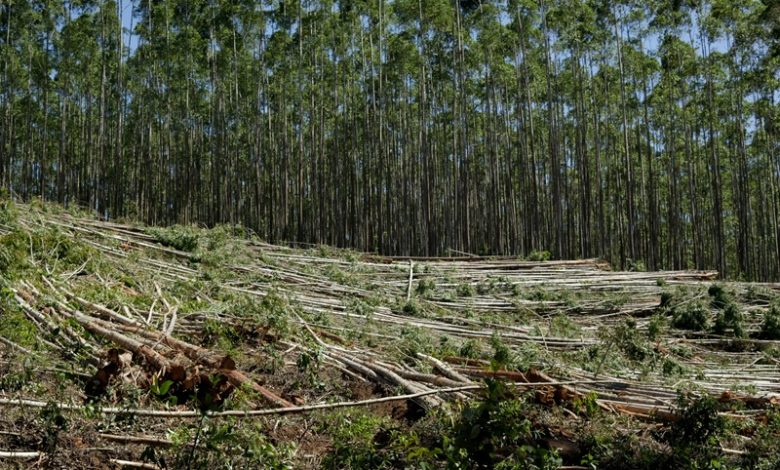
On a winter morning, the air in many cities still carries that dry, burnt smell of land pressure, the kind people notice on the way to work. And yet, in several regions, deforestation slows compared to earlier years. Conservation efforts are showing results in select landscapes, even as global forest loss continues elsewhere. Field teams, policy officers, and communities now talk less about only counting trees and more about process, monitoring, and forest restoration.
The latest deforestation statistics still look worrying, but the trend line has small pockets of relief. Reforestation programs are part of that shift.
Understanding the Recent Shift in Global Deforestation Trends
Across many countries, forest change no longer follows one straight direction. Some areas lose cover quickly, then stabilize. Others hold steady for years, then get hit by roads, fires, or commodity demand. The newer pattern looks uneven, almost patchy on a map.
Analysts tracking deforestation statistics often point to two visible signals. First, enforcement has improved in a few places, so illegal clearing becomes harder to hide. Second, restoration targets have become more common, so net loss can slow even when pressure stays high. It does not mean the crisis is over. It means the story is getting more complicated, and monitoring has become sharper.
Key Conservation Efforts That Are Reducing Forest Loss
Several practical moves keep appearing in regions reporting that deforestation slows. Legal protection is one, but paper rules alone do not stop chainsaws. The impact comes when local offices can actually act, and when courts back penalties. That part is slow, and sometimes messy.
Land-use planning also matters in a very plain way. When farms, settlements, and forest boundaries are clearly mapped, land grabs become harder. Community forestry, in places where it is respected and funded, can reduce clearing because locals stop seeing the forest as “nobody’s asset”.
And payment schemes tied to keeping forests standing, including carbon-linked models, are being tried more widely. Not perfect. Still, conservation efforts with budgets and on-ground staffing tend to show better results.
Regions Where Deforestation Is Slowing Successfully
| Region / Example Area | What’s Improving | What’s Driving the Slowdown | What Still Creates Pressure |
| Temperate regions (parts of Europe, North America) | Stable or improving forest cover | Regrowth, managed forestry, tighter harvesting controls | Urban spread, pests, seasonal fire risk |
| Countries expanding protected areas | Clearing rates dipping near protected zones | Protected area expansion, stronger compliance checks | Encroachment at boundaries, weak staffing in remote zones |
| Parts of Asia (selected districts) | Slower loss in targeted pockets | Tighter permits, funded restoration work, monitoring | Plantation expansion, roads and large infrastructure projects |
| Latin America (varies by state) | Mixed results, but some states show decline in clearing | Better enforcement in specific states, local actions | Policy shifts, illegal logging, commodity-driven land clearing |
| Smaller tourism-driven nations | Forest cover holding better than expected | Conservation funding tied to tourism, local protection incentives | Economic shocks, land demand near tourist corridors |
| Areas using payment-for-ecosystem models | Reduced clearing in managed zones | Payments linked to keeping forests standing, community buy-in | Verification gaps, uneven payouts, leakage to nearby areas |
How Technology Is Supporting Modern Forest Protection
In a modest government office, a forest guard can now open a dashboard and see fresh alerts. Not a miracle, just data. Satellite-based tools flag sudden canopy change, which helps teams reach sites faster, sometimes within days. Earlier, it could take weeks, and the damage would already be done.
Technology also reduces the usual excuses. A company cannot easily claim “no activity” when clearings show up in near-real-time imagery. Drones help in rugged zones, and mobile apps help field staff log sightings, seizure records, and boundary issues without losing paperwork. And yes, the tech still fails in rain, cloud cover, or poor connectivity. That is the reality. Even then, stronger monitoring supports forest protection and helps conservation efforts stay consistent.
Ongoing Challenges That Still Threaten Forest Stability
Even where deforestation slows, the drivers do not disappear. Agriculture expansion remains the biggest push in many tropical regions, especially where livelihoods rely on short-term gains. Timber demand still fuels illegal logging networks. Roads open access, and access changes everything.
Climate stress adds a harsh layer. Hotter dry spells turn forests more flammable, and fires can erase years of forest restoration in one season. Another challenge is political shift. Enforcement improves, then budgets get cut. Local staff get transferred. Cases pile up. That cycle is familiar, and frankly frustrating for people doing field work. Forests do not respond well to stop-start governance.
Why Slowing Deforestation Matters for Climate and Biodiversity
Forests store carbon, but the headline is bigger than carbon alone. Forests regulate water cycles, cool local temperatures, and support crops indirectly through rainfall patterns. A slowdown in clearing can reduce emissions growth, but it also keeps landscapes more stable for farming, grazing, and drinking water.
Biodiversity impact is immediate. When forests shrink, animals move closer to settlements, conflict rises, and disease risk can increase. Slower loss gives ecosystems time to recover, and it gives planners space to improve corridors and protected zones. Small changes matter. A month of delayed clearing during breeding season can protect more species than a fancy slogan ever will.
What More Is Needed to Maintain and Accelerate Progress
To keep the slowdown going, enforcement needs routine funding, not emergency funding. Staff training, fuel budgets, legal support, and quick case processing matter more than big conference statements. Clear land tenure also matters, because disputes drive clearing.
Supply chain pressure is another lever. When buyers demand traceability, illegal clearing becomes a market risk. Restoration also needs better design. Planting the wrong trees in the wrong place creates green cover but weak ecology. Mixed native species, local maintenance contracts, and survival-rate audits improve reforestation programs. And community participation cannot be treated as a checkbox. It needs trust, shared benefits, and time.
FAQs
1) What does it mean when deforestation slows in some regions but global forest loss continues elsewhere?
It means the rate of clearing has reduced in specific areas, even while other hotspots still record heavy loss.
2) Which conservation efforts tend to reduce forest loss most reliably in practice?
Consistent enforcement, clear land tenure, community forestry rights, and well-funded protected area management show steadier results.
3) How do deforestation statistics get tracked without visiting every forest patch on the ground?
Satellites and remote sensing detect canopy change, and field teams verify alerts, creating regular updates for monitoring systems.
4) Why do reforestation programs sometimes fail to support real forest restoration outcomes?
Poor species choice, weak maintenance, and low survival audits can create short-term cover without rebuilding a functioning ecosystem.
5) What are the biggest risks that can reverse progress even after deforestation slows?
Policy rollbacks, weak enforcement budgets, rising commodity demand, and climate-driven fires can quickly push loss rates upward.