

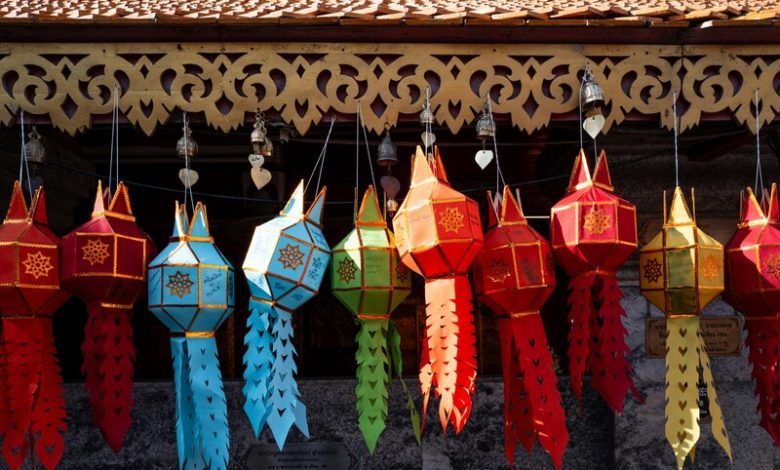
Morocco is a center of Moroccan handicrafts, with centuries-old traditions and a full palette of creativity. These traditional products, such as handwoven carpets and detailed lanterns, are all demonstrations of the tradition and history of the country. The Moroccan artisan products, the Moroccan souvenirs, and the handcrafted Moroccan products are available to travelers in the hectic Moroccan souks and workshops. Modern designs have conserved traditional methods and include all the Moroccan pottery, as well as decorated lanterns and embroidered textiles. The items, be it a home decoration of Moroccan houses or a gift from an artisan, are a narrative of handwork and genuineness, and thus the Moroccan handicrafts are a must-see attraction among both collectors and tourists.
Iconic Moroccan Crafts You Can Explore
Moroccan Rugs and Carpets
Moroccan handmade rugs, such as Beni Ourain and Kilim, are woven by Berber artisans, and they are known for their bold colors and detailed patterns. These Moroccan rugs are not only suitable for interior decorations but also as Moroccan souvenirs. To do genuine buying, go to the Marrakech souks or the Atlas Mountains.
Moroccan Pottery and Ceramics
The cities such as Fez and Safi are well known and famous for Moroccan pottery, which is colored with bright glazes and hand-painted geometric patterns. Others, such as Fez Blue ceramics, are both useful and artistic, which suits Moroccan artisan products and decorations.
Textiles and Embroidery
Moroccan fabrics, such as kaftans and djellabas, are brightly embroidered and colored. These are traditional garments as well as Moroccan home decor made of these handcrafted Moroccan products, which add a Moroccan touch to the interiors. Meknes and Rabat are where to visit these textiles.
Moroccan metalwork and Lanterns.
Moroccan lanterns (brass and copper) are used to light up spaces in elaborate designs, and traditional tea sets are used to signify Moroccan hospitality. This is found at the Marrakesh and Fez markets, and it is the best thing to use as a decoration or a gift that is the work of an artisan in Morocco.
Fez Tanneries Leatherwork
The artisans of Fez leather make the best quality of babouches (slippers) and tinted leather products through the use of natural dyes. These works of art are timeless and used as Moroccan artisan gifts and real souvenirs.
Tips for Shopping Moroccan Handicrafts
- Shop in the local souks and markets to find real Moroccan handicrafts and handmade Moroccan products.
- Focus on the genuine artisan products and enquire about the methods and materials.
- Add products such as rugs, lanterns, and ceramics to complete your Moroccan home decor or as a special gift.
- Keep in mind that the bargaining process is an experience; a respectful type of negotiation will lead you to strike good deals with the Moroccan handicrafted goods.
Moroccan handicrafts do not just make shopping in Morocco, but also it is an expedition to the rich artistic heritage of the country. Starting with handwoven carpets and pots, to textile work, lanterns, and leather, all these pieces create a representation of the artistry and innovation of the Moroccan craftsmen. These Moroccan handcrafted products provide a physical attachment to the cultural heritage of Morocco to the travelers and collectors.