Why Corpus Christi Talks Desalination: What Shrinking Reservoir Timelines Mean For Coastal Cities
Corpus Christi’s shrinking reservoir timelines are reshaping water policy. Desalination is becoming central to long-term supply planning for coastal cities.

Corpus Christi is not talking about desalination as a futuristic luxury anymore. It is talking about it because the clock on traditional water supply looks shorter than it used to. The City of Corpus Christi is already under Stage 3 drought restrictions, and the city’s public dashboard showed combined storage in Lake Corpus Christi and Choke Canyon Reservoir at 9.4% on February 13, 2026.
At the same time, city officials and regional reporting have warned that, without meaningful rainfall or new supply, the area could move into a deeper emergency late in 2026 and face far more serious shortages in 2027.
A Water Story Bigger Than One Texas City
What makes Corpus Christi especially important is that it is not just a beach town protecting lawns and household taps. It is also a major industrial and port city, with refineries, petrochemicals, and manufacturing all leaning on the same regional water system. That tension is why desalination keeps returning to the centre of the conversation.
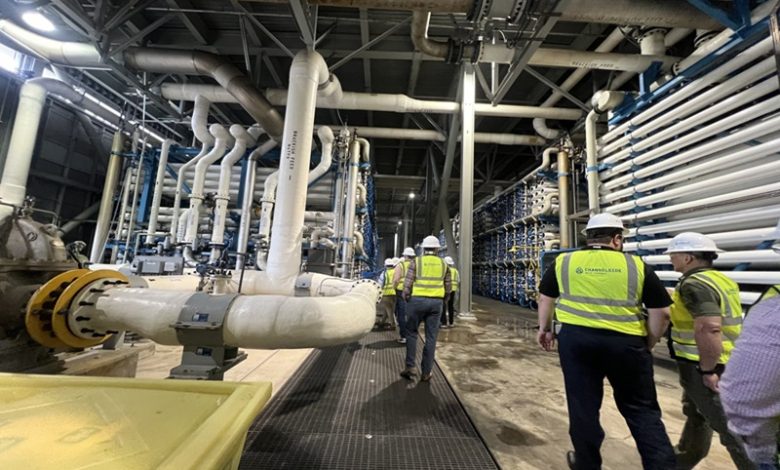
City materials have long framed seawater desalination as a drought-resilient supply, while current local coverage shows leaders fast-tracking multiple emergency water projects, including brackish desalination and groundwater work, as reservoir timelines tighten.
Why Desalination Keeps Coming Back
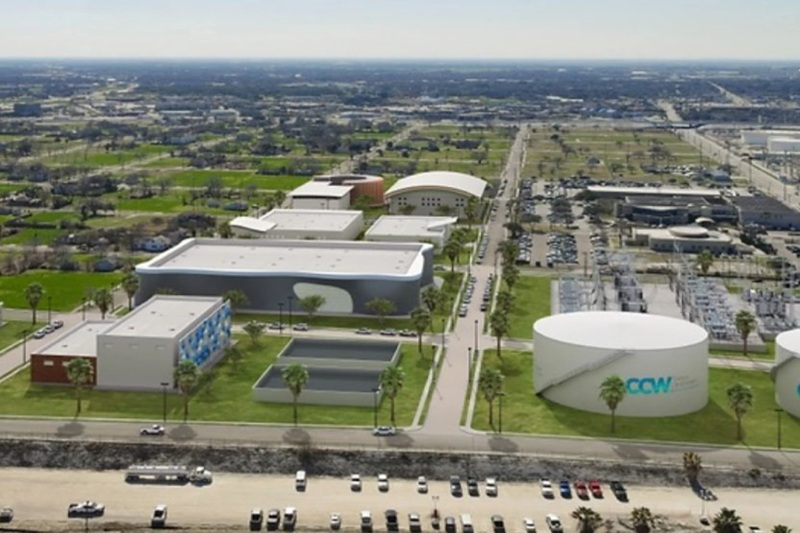
The logic is simple, even if the politics are not. Reservoirs rise and fall with rain. Seawater does not. Corpus Christi’s proposed Inner Harbor desalination effort has been discussed for years, and city-backed messaging has described it as a source that could produce up to 30 million gallons of water a day. Recent coverage also shows the city shifting from debate to urgency, especially after earlier project delays and cancellations left officials searching for faster options. That makes desalination less of a branding exercise and more of an insurance policy for a coastal economy that cannot afford to gamble on one wet season fixing everything. See the City of Corpus Christi’s official post on desalination.
Why Other Coastal Cities Are Watching Closely
Corpus Christi’s situation is a warning for other coastal cities from Texas to California and beyond: being near water does not mean having usable freshwater. When reservoir timelines start shrinking from years to months, cities stop discussing desalination in theory and start discussing permitting, cost, energy use, and speed. Corpus Christi is becoming a live case study in what happens when drought, industrial growth, and delayed infrastructure collide. For a city on the coast, the message is blunt: if your reservoirs are becoming countdown clocks, desalination stops sounding optional.
FAQs
1. Why is Corpus Christi discussing desalination now?
Reservoir storage is critically low, and officials need drought-proof water sources before shortages worsen regionally.
2. What are shrinking reservoir timelines?
They mean available stored water may last months, not years, without major rainfall or supply.
3. Why does this matter for coastal cities?
Coastal cities have seawater nearby but still need expensive infrastructure to make it drinkable.
4. Is desalination the only solution?
No, cities also use conservation, groundwater, reuse projects, and emergency treatment plant expansions.
5. What makes Corpus Christi a national case study?
It shows how drought, growth, industry, and delayed planning can collide in one place.