
Inspiring Coral Reef Recovery Stories from 2026: Signs of Hope Beneath the Waves
Inspiring coral reef recovery stories from 2026 highlight how conservation, science, and communities are helping damaged reefs make a comeback.

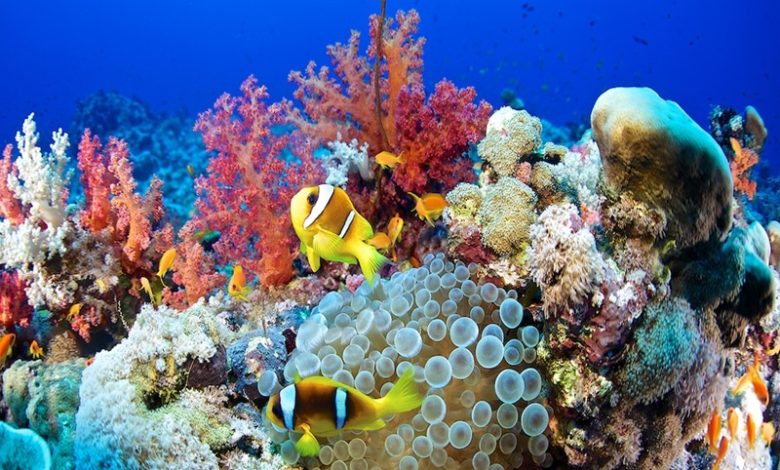
Coral Reefs are frequently referred to as “the rainforest” of the Ocean, supporting nearly 25% of all marine species on earth. Due to Global Warming, increased ocean temperature, over-fishing and polluted coastal regions, many coral reef systems are on the verge of collapse, but 2026 has brought some extremely Positive Signs Of Recovery and Hope.
2026 has brought about several successful Coral Reef Restoration Projects that are proving that conservation efforts can effectively reverse the effects of coral reef devastation and give new life to Coral Reefs, as well as the previous belief that coral reef ecosystems could never recover from their past devastation.
Coral Reef Resiliency
One of the most outstanding coral reef restoration projects in 2026 was on portions of Australia’s Great Barrier Reef. Due to cooler seasonal temperatures and fewer local stressors, the coral cover has begun to increase in some regions of this coral reef system. Marine Biologists have noticed an improvement in the growth of corals in areas previously subjected to extreme coral bleaching events.
There have also been many examples of increased fish populations in many areas around the Caribbean as a result of the establishment and continued enforcement of Protected Reef Zones. The establishment and enforcement of these Protected Reef Zones has significantly improved fish stocks and their ability to prevent Algal Associate growth, giving corals space and sunlight to continue their natural replenishment process.
How Restoration Science Is Helping
Coral restoration techniques have improved, allowing researchers to grow heat-tolerant corals in underwater nurseries before replanting them onto the damaged reef. This way, these heat-tolerant corals will be able to thrive in higher ocean temperatures and during extreme weather events.
As we continue to learn about the science of coral reef restoration, it is becoming clear that coral reef restoration techniques are important for restoring marine ecosystems and increasing hands-on involvement in ocean conservation.
The Role of the Community in Conservation
Coastal communities across Southeast Asia and the Pacific have emerged as strong protectors of the reef ecosystem. Grassroots efforts by these coastal communities have created measurable benefits for these reefs because they are promoting sustainable fishing practices and limiting plastic waste from entering the ocean; by 2026, we expect to see an increase in reef health due to these initiatives.
Increasingly, tourism operators are participating in promoting reef-safe practices and helping to fund conservation programmes. The relationship between responsible tourism and marine conservation demonstrates that there can be economic activity along with an effort to preserve the environment.
What we can expect from Coral Reef Recovery by 2026
| Region | Recovery Approach | Outcome |
| Great Barrier Reef | Reduced stressors, natural regrowth | Increased coral cover |
| Caribbean Reefs | Marine protected areas | Healthier fish populations |
| Pacific Islands | Community-led conservation | Improved reef resilience |
| Southeast Asia | Sustainable fishing practices | Reduced reef degradation |
| Global Research Sites | Heat-tolerant coral restoration | Better survival rates |
Conclusion
In 2026, a number of coral reef recovery success stories demonstrate that rapid recovery is achievable despite serious ongoing climate challenges. These coral recovery success stories strongly indicate that a combination of science-based coral restoration, strong local stewardship, and increased global awareness is are incredibly effective tool for the protection of coral reefs, and that through rapid action, we can restore balance to the waters.
Frequently Asked Questions
Q-How did coral recovery occur in 2026?
Cooler water temperatures, decreased pollution, increased conservation work, and advances in coral restoration techniques enabled the recovery of coral reefs.
Q-Are coral reefs recovered?
No, while many areas show signs of being improved, the vast majority of reefs are still at risk and need to be protected and monitored on a long-term basis.
Q-What are the impacts of climate change on coral reefs?
Increases in Ocean temperatures lead to coral bleaching, which weakens reefs and causes large numbers of corals to die.
Q-Are coral restoration efforts successful?
Yes, when combined with the reduction of local threats, coral restoration projects have proved to have a significant positive impact in many regions.
Q-What can individuals do to help protect coral reefs?
Individuals can impact coral health by supporting sustainable seafood sources, using less plastic, and choosing responsible travel options.