
Why Coral Bleaching Spreads And What Helps Reef Recovery Best
Coral Bleaching: Why Reefs Are Struggling and What Helps. Reefs lose color and strength as oceans warm, yet practical on-ground steps can guide long-term recovery.

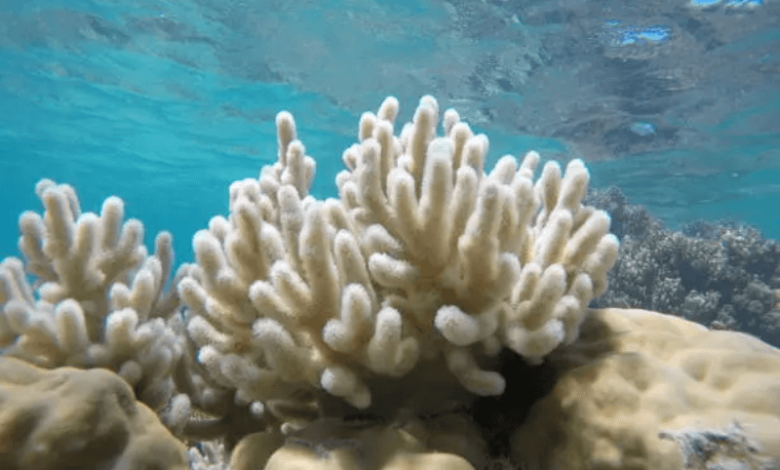
Reefs are turning white faster than many coastal communities can adapt. Coral bleaching is no longer a rare event tied to one hot season; it is becoming a repeating climate signal. In 2024, NOAA and the International Coral Reef Initiative confirmed the fourth global bleaching event.
By March 2025, bleaching-level heat stress had reached 84% of the world’s reefs across 82 countries and territories. That scale explains why reef scientists now call this cycle unprecedented.
Why The Pressure Is Rising So Fast
Heat is the main trigger, but this crisis is also about duration and repetition. NOAA’s Coral Reef Watch added Bleaching Alert Levels 3 to 5 because extreme marine heat now exceeds older risk categories more often. On the Great Barrier Reef, monitoring through 2024 and 2025 recorded the largest bleaching footprint there, followed by major coral-cover declines at many surveyed reefs.
Add cyclones, flooding, and crown-of-thorns outbreaks, and recovery windows shrink quickly. One official update thread from NOAA Climate on X tracks the ongoing global bleaching signal.
What Helps Reefs Recover
The hard truth is simple: local projects cannot replace global emissions cuts. But they still matter. NOAA says reefs recover better when local stressors are reduced, especially pollution, overfishing, and habitat damage.
Targeted management helps too; Great Barrier Reef authorities report crown-of-thorns control supports coral growth and recovery. Restoration methods are improving, from coral nurseries and outplanting to assisted breeding and heat-tolerant coral research.
Why This Matters Beyond Marine Science
Reef loss is not only a biodiversity problem. It affects fisheries, tourism jobs, and coastal protection for hundreds of millions of people. That impact is already visible.
FAQs
1) What exactly is coral bleaching?
Corals lose algae during heat stress, turn white, weaken, and may die without cooler water.
2) Why are bleaching events getting more frequent?
Repeated marine heatwaves leave less recovery time, while warmer nights keep reef temperatures elevated longer.
3) Can bleached corals come back?
Some recover if temperatures drop quickly; prolonged heat can cause disease, starvation, and irreversible mortality.
4) What local actions help reefs most?
Lowering local stressors helps: cleaner water, sustainable fishing, anchor controls, and reef-safe tourism behavior daily.
5) What can travelers do right now?
Use reef-safe sunscreen, avoid touching corals, choose certified operators, and support emissions-cut policies and restoration.