
Global Reefs Hit Hard: What’s Behind the Worst Bleaching Event
Rising ocean heat has pushed reefs into their toughest bleaching cycle. Here’s how extreme temperature trends and fragile ecosystems collided at the wrong moment.

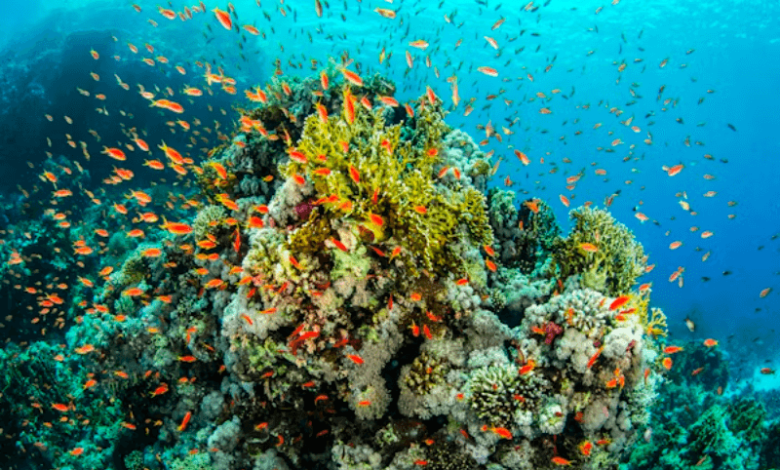
Reefs are whitening across oceans at a scale scientists have not tracked before. Tourism and fisheries feel it fast, and coastal protection weakens. NOAA and partners confirmed a fourth global coral bleaching event in April 2024, after heat stress began building in February 2023 and kept spreading through 2025.
The Heat Problem is Bigger, Longer, and More Frequent
The main driver is extreme ocean heat. Marine heatwaves stacked on top of long term warming, and El Niño conditions helped push sea temperatures past coral comfort limits for weeks, not days. Corals then expel the algae that feed them, turning pale and fragile. NOAA’s Coral Reef Watch data shows bleaching level heat stress reached about 84% of global reef area by late 2025.
Local Stress Turns Bleaching into Die Offs
Hot water starts it, but dirty runoff, coastal construction, and overfishing make recovery harder. Even small heat spikes can hit harder on a stressed reef. An official NOAA Coral update on X summed up the situation.