Why Sponge City Ideas Beat Bigger Drains: Copenhagen Cloudburst Streets
Uncover Copenhagen Cloudburst Streets: Why “Sponge City” Design Beats Bigger Drains In Extreme Rain, revealing how green streets slow floods and create usable public spaces.

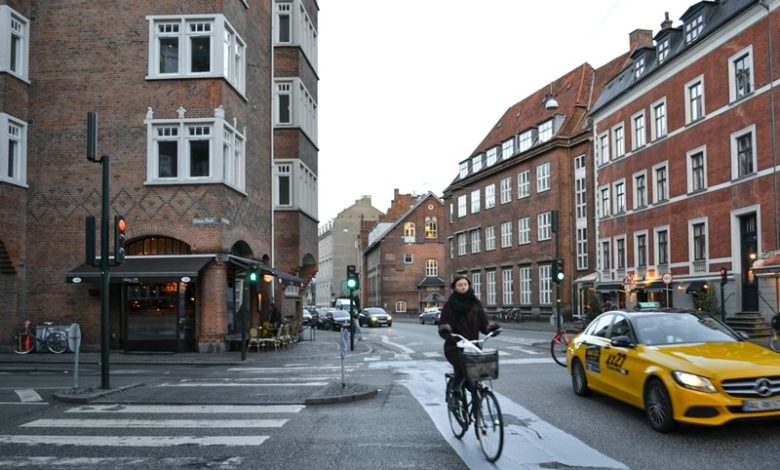
Copenhagen’s big lesson after the 2011 cloudburst was simple: you cannot pipe your way out of every extreme storm. The city found that relying only on larger sewers and drains delivered poor social returns, while a combined approach with surface-level “blue-green” infrastructure produced better outcomes and savings. That is why its cloudburst strategy shifted toward streets, parks, canals, and public spaces that can temporarily store, slow, and redirect water.
Why Sponge Streets Work Better Than Just Bigger Drains
Traditional drains are built for routine rain. Extreme cloudbursts are different. They hit fast, overload combined sewer systems, and push water onto streets and into basements. Copenhagen’s own plan notes the old storage-only “Plan B” concept was not enough after the July 2011 event; newer studies supported adding flow routes through roads, waterways, and tunnels to move water safely toward the sea — a different approach compared to the MOSE Venice flooding impact strategy, which focuses on tidal barrier protection.
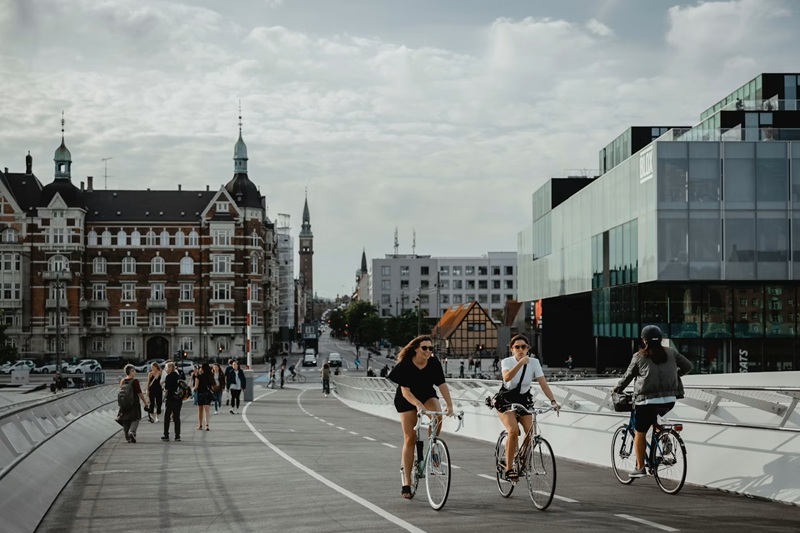
The smart part is that these streets are useful on dry days too. Copenhagen’s cloudburst programme is designed as city-making, not only flood engineering: green roads, detention roads, and park basins improve public space while handling stormwater during peak events. The European Environment Agency case study also highlights the economic logic: a combined solution of sewer expansion plus roughly 300 surface projects showed net savings versus a sewer-only path.
A Quick Official Social Post Worth Seeing
C40’s official X post highlighting Copenhagen’s natural rain infrastructure.
FAQs
1. What is a cloudburst street?
A street designed to store, slow, and redirect floodwater safely during sudden extreme rainfall events.
2. Why not just build bigger drains?
Extreme storms exceed pipe capacity quickly, while surface systems spread risk and add everyday benefits.
3. What triggered Copenhagen’s cloudburst strategy?
A major 2011 cloudburst caused massive flooding damage and exposed limits of existing drainage infrastructure.
4. Are sponge-city projects only for rich cities?
No, phased blue-green retrofits can start small, especially in flood hotspots and public spaces.
5. Do these projects help on normal days?
Yes, they improve parks, streets, cooling, biodiversity, and urban life when rain is absent.