
From Scraps to Soil: The Complete Guide to Composting at Home
Turn kitchen waste into nutrient-rich soil! Learn easy composting methods for homes, apartments, and small spaces with our complete beginner guide.

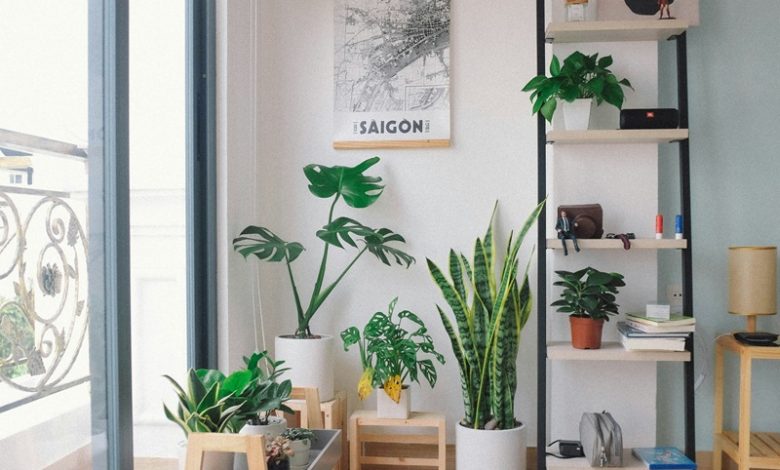
Home composting is one of the best methods that can be used to cut down on the amount of waste in your kitchen and also produce good, organic soil that can be used in your plantations. You may be in a large house or a small apartment, but with small space composting, everyone can adopt sustainability. By simply spending a few minutes and having the appropriate equipment, you can turn simple food waste into rich compost that can be used in your garden, as well as on the planet as a whole.
Why Composting Matters
Each household generates an unexpectedly high volume of biodegradable garbage, the peels of fruits and vegetables, scraps of vegetables, coffee grounds, and paper. Composting them instead of transferring them to the landfills transforms them into a natural fertilizer, which enhances soil structure, boosts plant growth, and reduces greenhouse gases. It is a low-cost, easy action towards a less harmful way of life and a clean environment.
Selecting the correct Composting technique
An outdoor compost bin is a good option if you have a backyard. A strong and ventilated container permits air to pass and prevents odors. Indoor composting bins or electric composters are the best solutions for people living in apartments or those with little space. These smaller systems are compact and can be installed under the sink or in a corner, and are, in most cases, operated by filters to control the smell.
In other small spaces, vermiculite is another good alternative as it involves the use of red worms to decompose food waste to create nutrient-rich compost. It is quick, odorless, and best suited to the people who desire a low-maintenance and indoor-friendly process.
What should be composted, and what should be avoided.
Effective composting is dependent on equilibrium. There are organic materials that are categorized as greens and browns. Greens are sources of nitrogen – coffee grounds, tea leaves, as well as fruit and vegetable scraps. Browns contain carbon: it can be dry leaves, shredded newspaper, or cardboard.
It is not advisable to add meat, dairy products, or oily foods since they produce unwanted smells and invite pests. This balance will help maintain a healthy compost and have it break down and give you a fertile and soil-like outcome.
How to Maintain Your Compost
Beginning with the layer of bases with browns, then a layer of greens. Keep adding the layers and make sure the mixture is not too dry – like a wet sponge. To add oxygen to the contents, turn or stir the contents every few days; this will promote decomposition.
In the case of worm composting, make sure that you feed your worms with small portions of food left frequently, but cover them with a piece of paper or soil. This maintains the bin to be fresh and smell-free.
Reaping the Benefits
After several months, your compost would become a dark, crumbly, and earthy-smelling substance – this is an indication that your compost is ready to be used. Use it on your indoor plants, on the balcony garden, or on the soil in the backyard to enhance the fertility and water retention of the soil. Composting at home reduces waste and also provides you with free and organic fertilizer for your plants.
Composting in Small Spaces
However, it is not impossible to compost even when you live in an apartment. Keep the scraps of the store kitchen in a small, closed basket and pour them into your indoor bin after every couple of days. Bokashi buckets or electric composters would be suited to individuals who want a fast and odorless solution. Baking soda may also be sprinkled, or charcoal filters may be used to control any smells.
Small space composting, you see, will allow you to discover a greener life very, very simply; it does not need a big backyard, it only demands a bit of creativity and an interest in doing something.
Knowing how to begin composting at home is not only a sustainable decision, but also a quality of life improvement, which makes you closer to nature and brings the planet closer. Composting even in a small area will enable you to make a difference in creating a better world, growing plants, and making our environment responsible, one kitchen scrap at a time.
FAQs
1. What is the estimated time of composting at home?
The composting time generally ranges between 2 and 6 months, depending on your techniques, temperature, and the materials to be used. Adequate moisture can hasten the process, and they are achieved through regular turning.
2. Does composting smell bad?
The compost pile must not be rotten but earthy. Smells are typically bad signs of excessive or inadequate moisture or a lack of airflow. This can be remedied by the addition of more browns or stirring.
4. What happens when I do not have time to compost my trash?
One can passively compost, or you could employ an electric composter, which mixes and processes the garbage automatically. It is ideal for busy people who are still in need of composting at home.