Sea Pushback: The Real Cause Of Colombo Flooded Roads
High tide in Colombo blocks drainage outfalls, turning normal rain into sudden street flooding. Here’s how sea levels quietly worsen city waterlogging events.

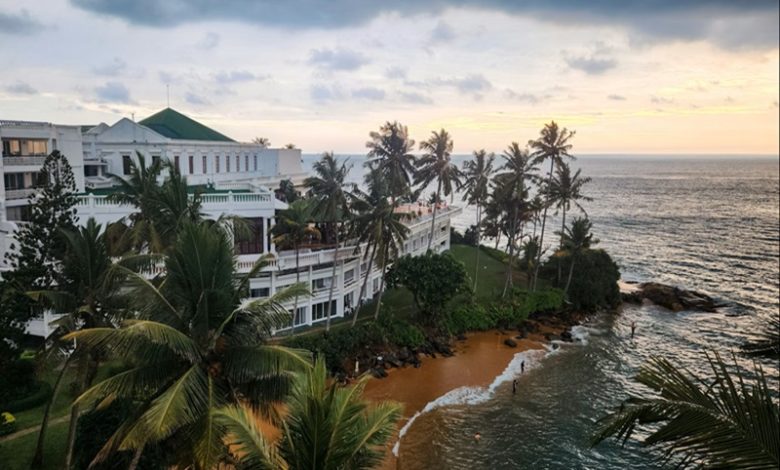
Colombo’s worst street flooding is not always about “too much rain.” On certain days, the sea itself becomes the bottleneck. When a downpour hits during high tide, drains that normally empty into canals and outfalls can’t release water fast enough, so the runoff piles up on roads. That is why even a short, intense shower can turn junctions into ankle-deep pools, especially in low-lying neighbourhoods near the canal network.
How High Tide Supercharges Colombo’s Rain Floods
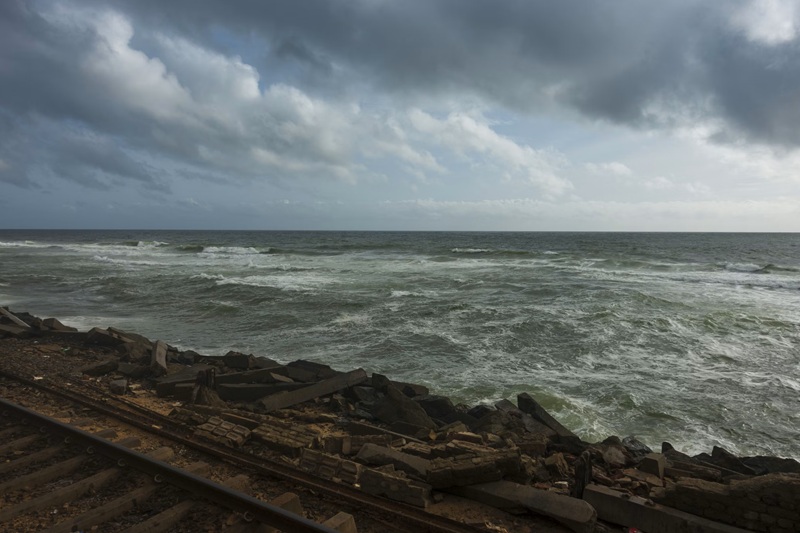
Here’s the street-level chain reaction: high tide raises sea levels at outfalls, pushing back against stormwater trying to escape. Add heavy rain, and Colombo’s drainage channels and retention areas fill quickly. If the Kelani River is already high, the “exit pressure” gets worse, and floodwater lingers longer across suburbs and main roads. Sri Lanka’s Disaster Management Centre (DMC) regularly issues river-basin flood warnings during major events, including recent severe flooding episodes around late November 2025.
The “Backflow” Problem People Actually Notice
Residents often describe it as water that “won’t go down.” That’s backflow and slow discharge: drains, canals, and lake connections struggle to move water outward when the tide is against them. Citywide flood-risk work has focused on pumping stations and integrated drainage upgrades, but peak rain plus peak tide still overwhelms chokepoints.
A Quick Proof Point From Recent Flood News
During Cyclone Ditwah impacts (November–December 2025), Colombo’s low-lying areas saw rapidly rising water and evacuations even as rain patterns varied, showing how downstream levels and drainage limits can dominate outcomes.
FAQs
1. Why does Colombo flood faster at high tide?
Because high tide blocks outfalls, runoff cannot drain; it backs up into streets fast.
2. What early warning should I check before traveling?
Look for Kelani River warnings, tide tables, and Met Department heavy-rain alerts before commuting today.
3. What can households do before a forecast downpour?
Clear front drains, avoid parking on low lanes, and keep a dry-bag with essentials inside.
4. Why do some roads stay flooded even after rain stops?
Pumps and wetlands help, but litter, filled marshes, and blocked canals reduce capacity during storms.
5. Is it safe to wade through floodwater in Colombo?
Use elevated routes, delay rides, and follow DMC updates; wading risks infections and open manholes.