The Science Behind 5 Climate Phenomena That Peak Every February
A clear look at 5 Climate Phenomena That Peak Every February, with insights on storms, ENSO impacts, polar shifts, and weather risks shaping global patterns.

February is not just another month in climate science. It is a transition window where several systems hit seasonal highs or their sharpest stress phase. That is why February repeatedly brings headline weather: sea-ice lows, severe storms, and jet-stream disruptions.
If you track risk, crops, travel, insurance, or logistics, this month matters. It is also when many climate datasets show clear short-term stress before seasonal reversals begin in March.
Five February Climate Peaks
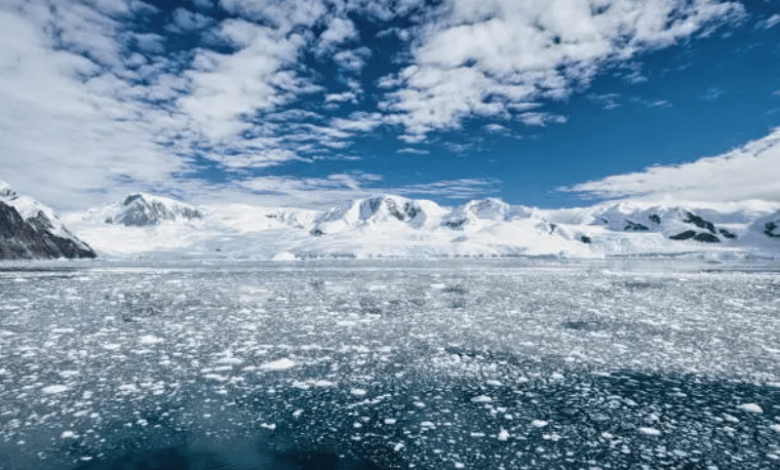
- Antarctic Sea-Ice Minimum Window: Antarctic sea ice usually reaches its yearly minimum in late February, often around 20–26 February.
- Southern Hemisphere Cyclone Intensity: The Australian and southwest Indian Ocean cyclone seasons are highly active in February. This week, Cyclone Gezani hit Madagascar, while Cyclone Mitchell threatened Western Australia.
- Atmospheric Rivers on the U.S. West Coast: Winter is prime atmospheric-river season, and February often carries high-impact events. NOAA monthly reports repeatedly log major February rain-and-snow river storms in California.
- ENSO’s Strongest Global Fingerprint: El Niño and La Niña impacts are strongest in Northern Hemisphere winter, so February still carries outsized influence on rainfall and temperature patterns.
- Polar Vortex Disruptions and SSW Spillover: Sudden stratospheric warming events can unfold in midwinter and then cascade into late-February surface extremes, including Arctic air outbreaks.
Trend Watch From Official Accounts
Official climate bulletin on X: Copernicus ECMWF monthly climate update.
Both posts connect immediate weather shocks with broader climate monitoring signals.
Why This Matters Right Now
WMO’s Official climate post on X and early-2026 brief already flagged simultaneous heat, cold, floods, and fire risks. February is where background climate change turns into visible, real-world impacts.
FAQs
Why is February important for Antarctic sea ice?
Because Antarctic sea ice usually reaches its annual minimum then, reflecting summer ocean-atmosphere heat exchange.
Why do cyclones spike around February in southern basins?
Many basins are warmest then, and steering winds favor cyclone formation and rapid intensification episodes.
Why does ENSO matter so much in February?
ENSO teleconnections are strongest in winter, so February still carries rainfall and temperature anomalies globally.
Are atmospheric rivers always bad?
Atmospheric rivers transport concentrated moisture, causing snowpack boosts but also flooding, landslides, and infrastructure disruption.
How does SSW affect everyday weather?
SSW weakens the polar vortex aloft, increasing chances of cold-air outbreaks weeks later in midlatitudes.