Climate Migration Trends in South Asia: New Data Shows Growing Displacement
New data on climate migration in South Asia highlights rising displacement due to environmental stressors like sea‑level rise, floods, droughts, and extreme weather. Learn what the trends reveal and what they mean for the region.

Climate Migration Trends in South Asia: New Data Released
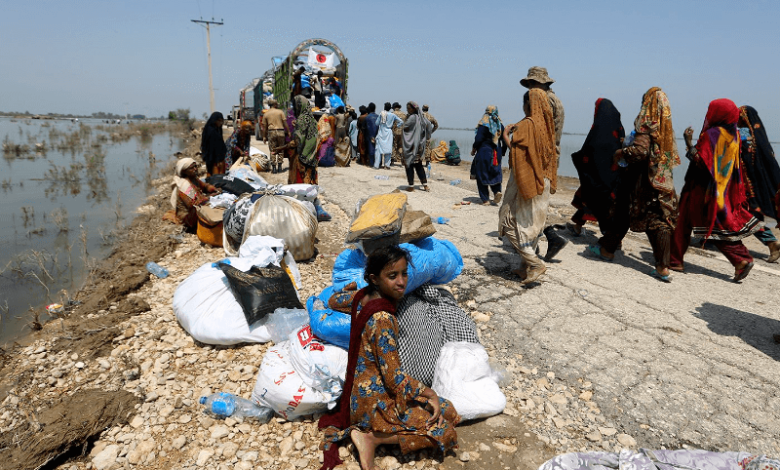
Newly released statistics on climate migration in South Asia indicate an increase in the number of people who have been relocated due to various environmental pressures, including floods, cyclones, droughts, and extreme temperatures. These trends are causing demographic, economic, and political changes throughout South Asia as reported by governmental agencies and non-governmental organisations.
With a population of over one-fifth of the world’s total population, South Asia ranks among the top three regions at risk of climate change impacts. Prolonged periods of intense monsoons, rising sea levels along coasts, increasing frequency and severity of extreme heat events, and lack of fresh water resources have produced an ever-growing number of people who will continue to migrate either for work or to escape adverse conditions.
New Data Shows Rising Pressures and Movements
New findings about climate-related migration in South Asia between 2024 and 2025 show that a growing number of people are being displaced due to the impact of climate change compared with the years leading up to this point. Specifically, there has been an increase in how much of migration that has occurred as a result of climate change from Bangladesh, Pakistan, India, Nepal, and Sri Lanka:
Bangladesh: Many people from rural areas are migrating to urban areas because the repeated riverbank erosion, as well as cyclones,are driving the movement of people from the coastal districts
India: Prolonged periods of drought in central and western states have caused farmers to migrate from their farms to seek employment in cities, while there have also been massive amounts of flash flooding in northeastern India that displaced entire communities
Pakistan: Temporary migrations have become common as a result of severe heat during the summer and low water levels in Sindh and Balochistan, yet oftentimes those who are temporarily displaced do not have access to stable employment.
Nepal & Sri Lanka: Shifting settlement patterns have been apparent in both Mountainous Regions and Coastal Zones, where families are adapting to Landslides and Saltwater Intrusion.
According to experts, it is evident that not only are these trends evidence of the increasing pressures that the environment is placing on people, but that there are also Economic Compulsions behind the movement of people, as affected People are moving because they must to obtain work, education, and basic services.
Impacts on Communities and Urban Areas
Urban infrastructure and social services are facing an unprecedented demand due to the increasing number of climate migrants coming to cities. Migrants arriving in cities such as Dhaka, Karachi, and Mumbai are predominantly searching for informal jobs and/or temporary accommodation; they are therefore using valuable resources of those cities and also causing various issues for health, housing, and sanitation.
Labour shortages in the rural areas are occurring due to the absence of local workers, particularly where rural labourers have been greatly affected by extreme weather.
Environmental Policies and Adaptation Strategies
Governments and regional organisations are beginning to pay attention. Therefore, there are now various discussions on the creation of new government policies and climate adaptation strategies. These include:
– Development of early warning systems for floods, cyclones, etc.
– Investments in climate-resilient infrastructure
– Skill development programmes for displaced people
– Community-Based Adaptation (CBA) programmes in rural villages.
For humanitarian agencies, migration must be viewed as an adaptive strategy to climate change rather than simply an indicator of crisis. Developing planned relocation programmes, social protection systems and inclusive urban planning strategies are becoming a primary focus of South Asia’s response.