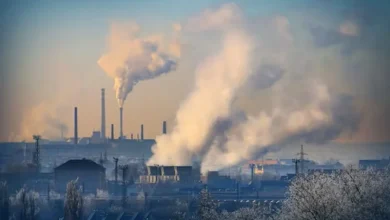
Are We Entering an Era of Permanent Climate Emergency?
Are we permanently in a climate emergency? Discover major red flags, worldwide effects, and what this new age may entail for the world and governments.

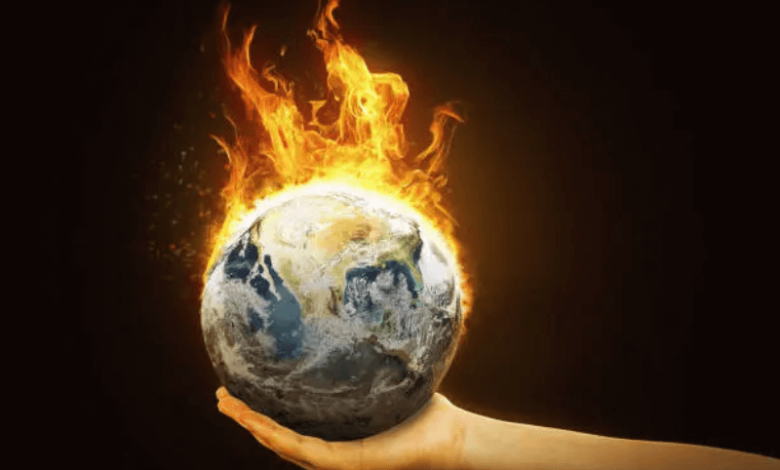
The term climate emergency is no longer confined to scientific documents or activist slogans; it has now become a commonplace and a subject of policy discussion or economic planning. Heatwaves, cataclysmic floods, raging wildfires, and extended droughts are getting more common and devastating in nature as climate-related disasters become more and more frequent. Scientists are alarmed that these are not exceptional events, but they are part of a bigger, faster trend that is a result of human-made climate change. With governments aiming to balance between growth, energy needs, and environmental conservation, an important question arises: do we find ourselves in the era of permanent and not episodic climate emergency?
Warning Signs That the Climate Emergency Is Becoming the New Normal
- Increased Temperatures in the world: Every year that has passed has been among the hottest years after years, with heatwaves stretching the human and ecological boundaries everywhere.
- Extreme Weather Events: Floods, cyclones, droughts, and wildfires are becoming more severe and overpowering disaster-response systems all over the world.
- Melting Ice and Rising Seas: Glaciers are melting away rapidly, and polar ice is disappearing, which is causing a rise in the sea level, threatening the world’s cities built on the coastline and island countries.
- Food and Water Insecurity: Unpredictable rainfalls and extended droughts are interfering with agricultural activities, leading to high food prices and the risk of hunger.
- Economic Strain: Disasters due to climate are costing trillions of dollars around the world, which impacts insurance, infrastructure, and national budgets.
The experts state that these intersecting crises are a sign that the climate crisis is not something to fear in the future but already a continued reality.
What a Permanent Climate Emergency Might Add to the Future
- Policy Changes and Climate Governance: Governments might need to make the climate a permanent national security problem, and sustain emergency responses as opposed to temporary solutions.
- Acceleration of Energy Transition: Fossil fuel reliance is becoming more apparent as incompatible with climate stability, and a faster transition to renewable energy and storage technologies is necessary.
- Social and Health Effects: Heat stress, epidemic, and displacement may become new persistent problems, particularly among the vulnerable groups.
- Redesign of Urban and Infrastructure: It might be required to make architecture and flood protection in cities climate-resilient and heat-adaptive in nature.
- Global Inequality Concerns: Developing countries, which are usually least responsible for the emissions, are most severely affected by the climate crisis, increasing demands of climate justice, and funding.
In case the current emission patterns are maintained, the scientists indicate that the emergency situations may last decades. Nevertheless, the severity of the long-term effects can be mitigated by an organized international response, i.e., reducing emissions, preserving the environment, and investing in resilience.