Scenes Today: Climate Change Is Now a Daily Problem, Not a Future One
Climate Change Is Now a Daily Problem, Not a Future One, reflected through shifting seasons, water stress, and daily disruptions felt by households and workers.

Climate Change Is Now a Daily Problem, Not a Future One, and that line no longer sounds like a warning poster. It reads like a daily update. Heat, sudden rain, crop stress, and rising health complaints keep showing up in regular routines.
Climate change now behaves like a background condition, not a once-in-a-decade shock. And yes, it feels tiring to track, even for people who never cared earlier.
Why Climate Change Has Become a Daily Reality
Weather patterns now swing harder and faster across many regions. The “normal” season chart in people’s heads no longer matches what happens outside. That gap shows up in small decisions too, like travel timing, school schedules, and work hours. Sometimes the day itself decides the plan.
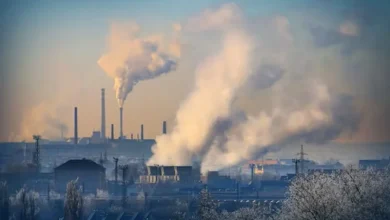
Scientists point to long-term warming trends, but daily life shows the impact first. A hotter baseline pushes ordinary days closer to discomfort. And then one extreme event tips it over, as seen in many cities lately.
How Extreme Weather Now Shapes Everyday Life
Heatwaves do not stay limited to a short window anymore. They stretch, return, and hit at odd times. Heavy rain arrives in sharp bursts, not gentle spells. So roads flood quickly, trains slow down, and commutes turn unpredictable. That is the part people complain about at dinner tables.
Common daily disruptions being reported across regions include:
- Power demand spikes and short outages during peak heat
- Waterlogging after intense rain in low-lying streets
- Flight and rail delays linked to storms or poor visibility
- Higher wear on roads, bridges, and drainage systems
Water Scarcity and Drought Are Routine Pressures
Water stress is no longer only a rural issue. Many urban areas face tighter supply cycles, tanker dependence, and stricter timing. Households adapt with storage, reuse, and fewer “extra” uses. It sounds basic, but it changes daily comfort.
Drought also shows up quietly in reservoirs, groundwater levels, and farm borewells. It is not always dramatic on TV. It just keeps reducing options, day after day, and that is a tough reality.
Food Systems Struggle Under Constant Climate Stress
Food supply takes a hit when heat and rainfall become unreliable. Crop calendars shift, pest pressure rises, and yields turn less steady. Prices then wobble, and families notice it at the market. Feels strange sometimes, paying more for the same basics.
Pressure points often mentioned by growers and traders include:
- Heat stress affecting flowering and grain filling
- Sudden rain damaging harvest-ready crops
- Higher cold storage and transport costs in hotter months
- Local shortages that push short-term price spikes
Daily Health Risks Driven by a Changing Climate
Hospitals and clinics report more heat-related cases during hotter spells. Dehydration, exhaustion, and headaches rise, especially among outdoor workers and older adults. That is not a future risk, it is already a seasonal routine in many places.
Air quality also worsens during extreme heat and wildfire smoke episodes in some regions. Respiratory issues and allergies flare up. And when mosquitoes expand into warmer zones, disease risk maps shift too. People notice when the usual “safe months” stop feeling safe.
Economic Losses and Infrastructure Strain Occur Year-Round
Daily climate stress costs money in small and big ways. Repairs, missed workdays, supply delays, and damaged stock add up. Local governments also spend more on drainage clearing, road patchwork, and emergency response. It is not neat accounting, but it is real.
| Area | What changes on the ground | What it leads to |
| Transport | Flooded underpasses, heat-softened roads | Delays, higher maintenance bills |
| Power | Peak cooling demand | Load stress, local outages |
| Housing | Damp walls after heavy rain | Repair costs, health complaints |
| Business | Delivery and supply interruptions | Lost sales, higher insurance pressure |
Ecosystems Are Shifting Faster Than Predicted
Nature responds to heat and rainfall shifts faster than many people expect. Some plants flower earlier, some insects spread wider, and certain species move to cooler areas. Coastal ecosystems face extra pressure as seas warm and shorelines change. It is not a headline every day, but it is happening.
These changes hit fisheries, tourism, and local livelihoods in indirect ways. And once an ecosystem weakens, recovery takes time. That is the uncomfortable bit.
How Communities Adapt to Climate Impacts Today
Adaptation is already part of routine planning in many places. Cities talk about cool roofs, shade, drainage upgrades, and heat alerts. Communities adjust work timing, school schedules, and public event planning. It is practical, not fancy.
Common actions being seen:
- Heat alerts, hydration points, and adjusted outdoor work hours
- Rain preparedness, drain cleaning drives, local flood mapping
- Water saving habits, leak checks, and reuse for non-drinking needs
- Tree cover and shaded walkways in hot zones
And still, people argue about what is enough. That argument is also part of daily life now.
Why Immediate Action Matters More Than Long-Term Forecasts
Long-term projections matter, but daily damage forces quicker decisions. Each year of delay locks in higher repair costs, higher health strain, and deeper pressure on water and food systems. Immediate action means two tracks running together: cutting emissions where possible, and building resilience for what already exists. That is not ideology, it is risk management. Some steps look small, like cooling centres and better drainage, but they prevent bigger losses later. The daily nature of climate stress makes slow response look careless, honestly.
FAQs
1) Why is climate change called a daily problem now, not a future one?
Heat stress, heavy rain, water shortages, and health impacts now appear regularly, affecting routines, costs, and basic services.
2) Which daily activities get affected first during extreme weather events?
Commuting, outdoor work, school schedules, electricity use, and water storage practices get disrupted quickly in many places.
3) How does climate change influence food prices and household budgets?
Unstable harvests, transport delays, and higher cooling and storage needs push prices up, and budgets tighten quietly.
4) What health problems link strongly with hotter and more unstable climate conditions?
Heat exhaustion, dehydration, breathing issues during poor air quality, and wider spread of mosquito-borne diseases are common concerns.
5) What practical steps help communities cope with daily climate pressure?
Heat alerts, shade, cool roofs, drainage fixes, water-saving rules, and smarter work timings reduce harm without complex systems.