60 Minutes Of Rain, City Paused: Chennai Flood Truth
Chennai does not need a cyclone to flood. A single intense hour of rain can choke roads, subways, and drains, forcing traffic collapse and citywide disruption.


Chennai doesn’t need a named cyclone to look like it’s under siege. One fast, high-intensity spell of rain can flip a normal weekday into stalled buses, flooded subways, and long queues at signal junctions. The shock is not the total rainfall, it is the speed. When most of the day’s rain falls inside an hour, the city’s “catch, carry, clear” chain gets tested in minutes, not in days.
Why Short, Sharp Rains Hit Harder Than Long Drizzles
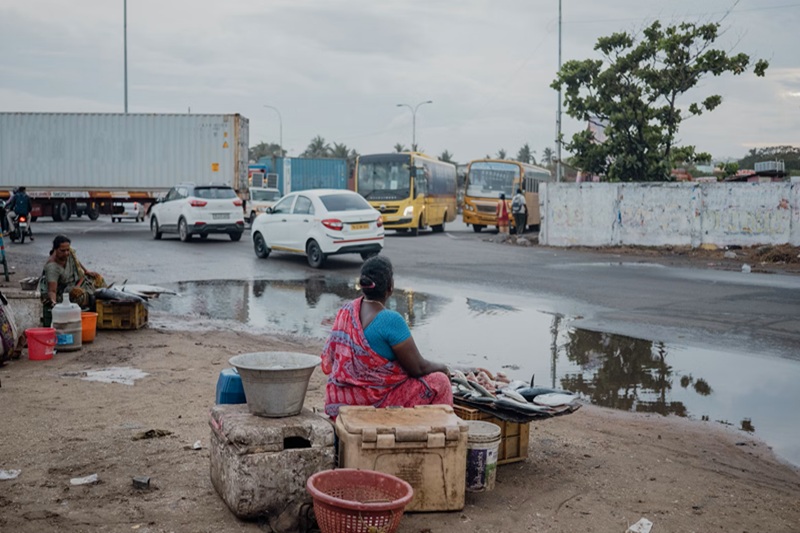
Chennai’s streets are the first “drainage channels” in practice. In many neighbourhoods, the inlets that should swallow runoff are either clogged with silt and plastic, or sit higher than the road after repeated re-laying. When rain arrives like a burst, water spreads sideways, finds the lowest point, and parks there. Underpasses and subways fill faster than you expect, because they are designed as dips; once they start filling, traffic cannot flow, and the backup becomes the flood.
This is also why “no cyclone” flooding feels sudden. Localised thunderstorms can dump intense rain over a few pockets, while the rest of the city looks fine on the map. People share clips of knee-deep water in one stretch and dry pavements ten kilometres away, and the argument starts online. A recent India Today reel showed waterlogging and pothole chaos in parts of Chennai during heavy rain, and the comments section looked like a live audit of the city’s weak spots.
The Drainage Puzzle: Links, Levels, And Last-Mile Gaps
Storm water drains work only if the network is continuous and the outfalls are clear. When “missing links” exist between drain segments, water gets trapped in the same low streets every season. The Times of India has reported that incomplete interlinking between stormwater drains can keep several localities vulnerable, even after large stretches are built. The Greater Chennai Corporation’s own storm water drain notes also show that drains are designed by catchment and discharge, so the last-mile connection matters as much as the main line.
Why 60 Minutes Can Cancel A Day
A city shuts down not when it floods everywhere, but when a few chokepoints fail at the same time. One jammed junction can block an entire corridor. One closed subway can force a long detour. Add school-run traffic, peak-hour office movement, and a couple of stalled cars, and emergency vehicles lose time. Even the weather message can sound calm in the morning, then flip by afternoon; IMD’s Chennai forecast bulletins often highlight changing sky conditions and warnings day to day.
Chennai’s fix is not just “bigger drains”. It is boring, surgical work: keep inlets open, finish interlinks, protect natural sinks, and stop building road layers that raise the street above the drain mouth. Until then, one hour of angry rain will keep winning.
FAQs
1. Why does Chennai flood even without a cyclone?
Short bursts overwhelm clogged inlets, low underpasses, and broken drain links across many local streets.
2. Is one hour of rain really enough to cause shutdowns?
Yes, because chokepoints fail together too during peak hours, trapping buses, cars, and emergency routes.
3. What areas flood first during sudden Chennai rains?
Low-lying streets, subways, junctions near canals, and inland pockets often with incomplete stormwater drain connections.
4. What can residents do during fast waterlogging?
Avoid underpasses, park on higher ground, switch off power, and follow official IMD alerts quickly.
5. What fixes matter more than new projects?
Interlink drains, desilt regularly, protect wetlands, and align road levels so water enters inlets properly.