
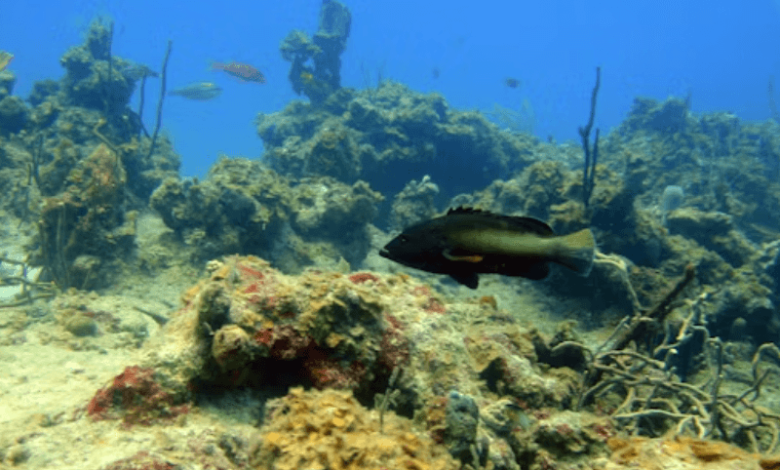
Before sunrise in a small harbour, a fisher checks cracked traps and talks about fewer reef fish. The sea looks calm, warm even. The headline carries the reality: Half of Caribbean Coral Lost Since 1980, Marine Life and Livelihoods Under Threat. That’s the story today, and it is not distant at all.
Why Caribbean Coral Reefs Matter for Marine Life and Coastal Communities
Coral reefs act like busy neighbourhoods under water. Sheltered crevices for juveniles. Clear hunting grounds for snapper, grouper, barracuda. On shore, hotels fill because divers want colour and movement, not silent rock. During storms, reef ridges knock down waves, so villages breathe easier. Ask any boat guide in Negril or Soufrière about a summer squall.
The reef’s shape, the sound of whitewater breaking outside the lagoon, keeps wooden homes standing. That’s how crews remember it, anyway. Without living coral, that barrier thins, and life gets harder, day by day.
Half of Caribbean Coral Lost Since 1980: What the Latest Data Reveals
Monitors across multiple islands report a steady slide in hard coral cover since 1980. Some sites show long plateaus, then sudden dips after heat spikes. Others fall in steps after disease events. The phrase “half lost” is not theatre; it matches field logs, photo transects, local records. A reef in one bay looks fair, another bay two kilometres away looks stripped. Trends share the same direction. The baseline many elders remember lives mostly in stories now, which hurts to say.
Comparative Overview: Coral Health Across Major Caribbean Regions (Tabular Analysis)
Short note first. Site to site variation exists, no surprise. Yet a broad pattern repeats across the basin, with pockets holding on better where protections and clean-water projects stick.
| Region / Sub-region | General coral cover trend | Noted pressures | Practical community response |
| Greater Antilles | Marked decline since 1980, uneven recovery attempts | Heat stress, disease, urban runoff | Seasonal fishery rules, near-shore wastewater upgrades |
| Lesser Antilles | Mixed, some fringing reefs stable, many patch reefs degraded | Storm damage, tourism build-out | Mooring buoys, reef-safe shoreline codes |
| Belize–Mesoamerican flank | Variable, outer reef sections fare better | Bleaching cycles, coastal sediment | Managed access fisheries, mangrove setbacks |
| Dutch/French islands | Patchy mosaics, pockets of resilience | Cruise activity, anchor damage | MPAs with stricter anchoring rules |
| Bahamas banks | Large spatial contrasts | Heat, storm passages | Reef nurseries, education with operators |
Numbers change year to year, yes, but this map of stresses and responses is what field teams talk about.
Key Drivers Behind the Rapid Decline of Caribbean Corals
Heat first. Warmer seas push corals into stress, the zooxanthellae leave, skeletons show. A hot month is too many, and colonies fail. Pollution next. Sewage leaks, fertilizer runoff, extra sediment after hillside clearing. Water turns murkier, algae thrive on the nutrients. Then fishing pressure. Fewer parrotfish and surgeonfish means less grazing on seaweed, so new coral struggles to settle.
Add spreading coral diseases, plus coastal works that bite into reef flats. One driver alone might be survivable. Together, they box reefs into a corner. Feels unfair, but it is what many crews see.
Ecological Fallout: How Coral Loss Disrupts Marine Species and Ocean Health
When coral cover falls, the whole food web tilts. Small damselfish lose shelter. Octopus shift dens to broken rubble, not ideal. Spawning aggregations shrink, so the next season arrives thin. Algal mats trap fine sediment, and that dull, slightly sour smell near shore after rain tells its own tale. Sharks still patrol the outer drop-offs, fewer though.
Turtles pass by, graze seagrass, and keep moving. Silence grows where a crackling reef once hummed in a snorkeller’s ears. Strange how quickly quiet spreads.
Human Impact: Effects on Fisheries, Tourism, and Coastal Protection
- Coastal fisheries: Lower catch per trip, more fuel, longer hours on choppy days. Crews speak softly about bills.
- Tourism: Dive shops tweak routes to the few lively heads, guests notice and ask awkward questions.
- Shoreline safety: Erosion marks creep closer to footpaths, salt spray reaches gardens that never tasted it before.
- Local markets: Fish sizes trend smaller, prices fluctuate too sharply.
- Community mood: Fatigue sets in. Small fixes help, but the load feels constant. That’s how residents put it.
Can the Caribbean Recover? Current Conservation Efforts and Future Solutions
Recovery is possible in pieces. Grazers protected, algae recede. Water treated properly, clarity improves, settlement picks up. Marine protected areas, created with local buy-in, tend to survive budget swings. Coral gardening gives damaged heads a second chance, not magic, still helpful. Heat years remain the hard limit.
So early-warning networks and shading pilots get tested. Tougher building rules on coasts, no-take nursery zones near villages, simple mooring lines to stop anchor scars. None of this feels fancy. It is steady, local, and it works more often than it fails.
FAQs
How does losing coral affect daily life for coastal families in the Caribbean?
Fewer fish in nets, more time at sea, patchy tourism income, and homes more exposed during storms. People adjust, but each adjustment chips away at savings and sleep.
Can damaged reefs bounce back after a heatwave or disease season?
Reefs can recover on cleaner, well-managed coasts with healthy herbivore numbers. The time window is long though, and repeated heat spikes cut recovery short, which frustrates crews.
What practical steps help a reef most in the near term?
Keep sewage out of lagoons, protect grazing fish, manage anchoring, and fix drainage that dumps silt. These basics deliver visible gains, and frankly they cost less than big projects.
Does coral decline always mean tourism collapses for an island?
Not instantly. Operators shift to better sites, add seagrass and mangrove tours, and improve briefings. Still, long-term quality dips if living coral keeps shrinking, guests sense that quickly.
Why do some bays look healthier than others in the same island?
Small differences matter. A mangrove fringe, a stream with filtration, a community patrol. Also, layout of the bay changes current flow and temperature spikes. Local quirks save reefs sometimes.